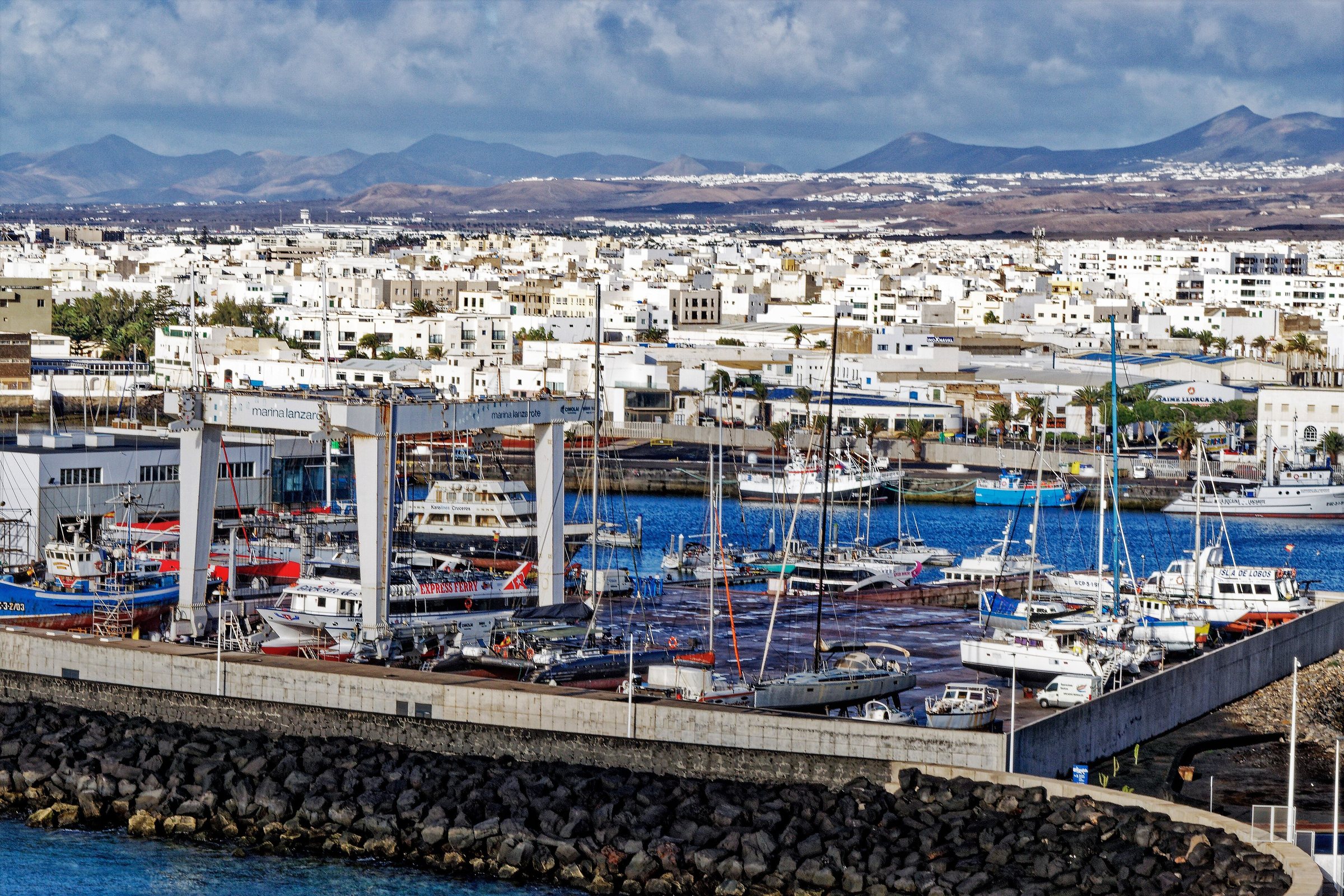
Which places and testimonies can be seen in Arrecife?
According to Diario de Lanzarote, the exhibition reconstructs part of the collective memory of the Canary Islands. Photographs, historical documents and personal testimonies connect physical places with the experiences of those who suffered repression.
The places shown include the Puente General Serrador in Santa Cruz de Tenerife, the Parque de Santa Catalina and the stands of the Estadio López Socas in Las Palmas de Gran Canaria.
Particularly significant is the former Colonia Agrícola Penitenciaria de Tefía on Fuerteventura. The site is regarded as one of the most representative scenes of Francoist persecution.
What story does it tell?
According to Diario de Lanzarote, the show documents decades of discrimination and persecution on grounds of sexual orientation and gender identity. At the same time, it shows forms of resistance, organisation and solidarity.
Lánzate explains, according to Diario de Lanzarote: “Behind every space there are people who lived through situations of fear, rejection and discrimination.” The exhibition aims to make this human dimension visible.
The initiative is aimed at the general public, regardless of age, identity or sexual orientation. It seeks to protect democratic memory and recognise the victims of discrimination.
How were homosexuals persecuted under Franco?
The persecution had a legal basis. The Ley de Vagos y Maleantes was amended in 1954 to include homosexuals. In 1970, the Ley de Peligrosidad y Rehabilitación Social followed, classifying homosexuality as a danger.
Only in the reforms of 1978 and 1979 was homosexuality removed from these laws. The exhibition in Arrecife makes this legal repression comprehensible through specific places and testimonies.
The former penal colony of Tefía on Fuerteventura is recognised, according to Canarias7, as a site of democratic memory. It stands for the systematic exclusion of homosexual men during the dictatorship.
What compensation was paid in the Canary Islands?
According to the report, the Canary Islands have paid around 324,000 euros to 61 victims of Francoist repression against the LGTBI community. RTVC reports this citing the regional government.
The beneficiaries had to be over 55 years old and prove a lack of financial means. The payments form part of the state objectives for historical memory.
By comparison, Catalonia paid more than 52.7 million euros to 22,512 people, according to RTVC. Andalusia followed with over 9.4 million euros for 2,522 victims.
What practical information is there for visiting?
According to the available sources, the exhibition does not change prices or rules on stays, work or access. No admission price, registration or exact opening hours have been published.
The Centro Sociocultural La Vega is located in Arrecife. The Asociación Lánzate invites residents, schools and social and cultural organisations to visit.
Since the Franco era, the Canary Islands have developed into one of Europe’s best-known destinations for homosexual visitors. Maspalomas on Gran Canaria is regarded as an internationally established meeting point.
What support is currently available for LGBTIQ+ people?
The Canarian Ministry of Social Affairs is funding the DIVERCAN advice service with 102,300 euros. According to the Gobierno de Canarias, it is expected to reach around 300 people on Lanzarote, Tenerife and Gran Canaria.
The service is offered by the organisations Diversas, Altihay and Lánzate. The advice covers social benefits, legal questions, LGTBphobia, employment and health.