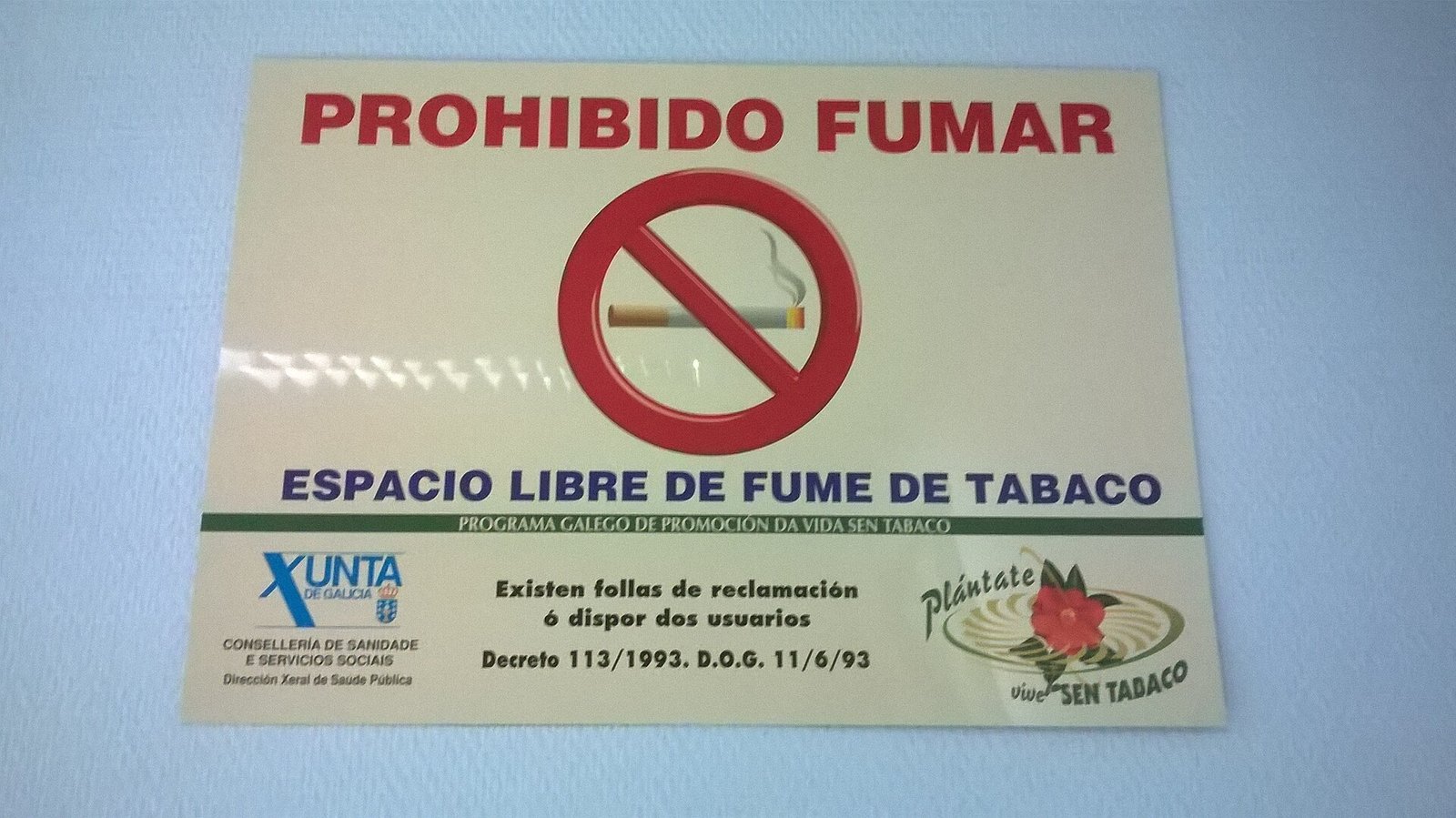
Let’s be clear from the start: the news headlines you might have seen are about a government-approved draft bill. It is not yet a final, enforceable law. The Spanish government has agreed on a plan to dramatically extend smoke-free zones, but it still needs to pass through parliament and be officially published. So, you will not get a fine tomorrow for smoking on your favourite hotel terrace. But the direction of travel is unmistakable, and it is wise to know what is coming.
For anyone living in or visiting the Canary Islands, this feels personal. Our life is lived outdoors. We have breakfast on terraces, spend long days on the beaches of Maspalomas or El Médano, and wait for the guagua at open-air stops. The proposed changes would touch almost every part of that daily rhythm. The draft aims to create a new generation of smoke-free outdoor spaces, and it is one of the strictest sets of rules in Europe.
Where Would Smoking Be Banned?
The list of places in the draft is extensive. The most talked-about change is the ban on smoking on bar and restaurant terraces. That morning coffee with a cigarette in a plaza would become a thing of the past. The rules would also explicitly cover all maritime and river beaches, meaning that iconic image of a cigarette butt in the sand would be not just antisocial, but illegal nationwide.
But it does not stop there. The draft also targets public swimming pools, outdoor sports facilities, and bus stops or transport shelters. University campuses and the outdoor areas around schools would become smoke-free. The same goes for open-air concert venues, sports stadiums, and even work vehicles, unless they are for strictly personal use. A protection zone of about 15 metres around entrances to public buildings like hospitals, libraries, museums, and playgrounds is also part of the plan.
What About Vapes and E-Cigarettes?
If you switched to vaping thinking it might be treated differently, the draft law has a clear message. The reform would put e-cigarettes, vapes, and related products on exactly the same footing as traditional cigarettes. This includes nicotine-free devices, herbal smoking products, and shisha pipes. In all the places where lighting a cigarette would be banned, taking a puff from a vape would be banned too. For the Canary Islands, where shisha lounges are a familiar sight in tourist zones, this is a significant detail.
The logic from the health ministry is to eliminate any grey areas and to prevent the normalisation of smoking behaviour in any form. The message is simple: if you cannot smoke it there, you cannot vape it there either.
What Are the Penalties?
The potential fines are substantial. According to the draft, penalties could range from a minor fine of around €200 up to a very serious one of €600,000. The lower end is what an individual might face for lighting up in a prohibited zone. For minors caught smoking, the starting fine is also set at around €200, though the draft suggests this could potentially be replaced by community service in some cases.
The higher-end fines, which run into the hundreds of thousands of euros, are designed for businesses or venue owners who fail to enforce the rules. Imagine a bar owner who turns a blind eye to customers smoking on the terrace; they would be the ones facing the most severe financial risk. This puts the responsibility firmly on establishments to police the new rules themselves.
When Will This Actually Happen?
This is the million-euro question, and the answer requires patience. The draft law still needs to be debated and voted on in the Spanish parliament. This process can take months. If it passes without major changes, it would then be published in the Official State Gazette (BOE). The rules would enter into force 20 days after that publication. Businesses and institutions would then have a further two months to put up the required new signage.
So, for your holiday this summer, the nationwide terrace and beach ban is not yet in force. However, do not assume you can smoke anywhere. Many individual beaches and venues in the Canary Islands already have their own local restrictions. The safest approach is to treat the draft as a preview of the future and to always look for signs or ask staff before you light up.
Common questions
- Can I smoke on my hotel balcony in the Canary Islands right now?
- Generally yes, as a hotel balcony is considered a private space. However, always check your hotel's specific policy, as they can set their own stricter rules.
- Is vaping included in the new draft law?
- Yes, the draft explicitly treats e-cigarettes and vapes, including nicotine-free ones, the same as traditional cigarettes in all banned areas.
- Are there any beaches in the Canary Islands where smoking is already banned?
- Yes, several popular beaches like Las Canteras in Gran Canaria already operate under local smoke-free ordinances. Always look for signage at beach entrances.
- What is the fine if I get caught smoking on a terrace once the law passes?
- The draft proposes fines starting from around €200 for individuals, though the final amounts will be confirmed when the law is officially published.
- When will the new national smoking ban definitely start?
- There is no definite date yet. It will start 20 days after the law is finalised and published in the official state bulletin, which still requires parliamentary approval.
Read on
- Canary Islands 20 October: fiestas, concerts and partiesCanary Islands · 20 October
- Canary Islands: time difference, clocks and calima guideCanary Islands · 19 October
- From today you pay in Spain with your phone instead of a card — what Bizum Pay really means for tourists and expatsCanary Islands · 18 May
- Barrier-Free Beaches in Gran Canaria: Where Access and Inclusion Are RealGran Canaria · 22 July
- Canary Islands 19 October: Michael show, Periplo, San RafaelCanary Islands · 19 October
- All events on the Canary Islands →
Status as of 21 July 2026. This article is based on the government's draft bill and current reporting. Rules can change during the parliamentary process.