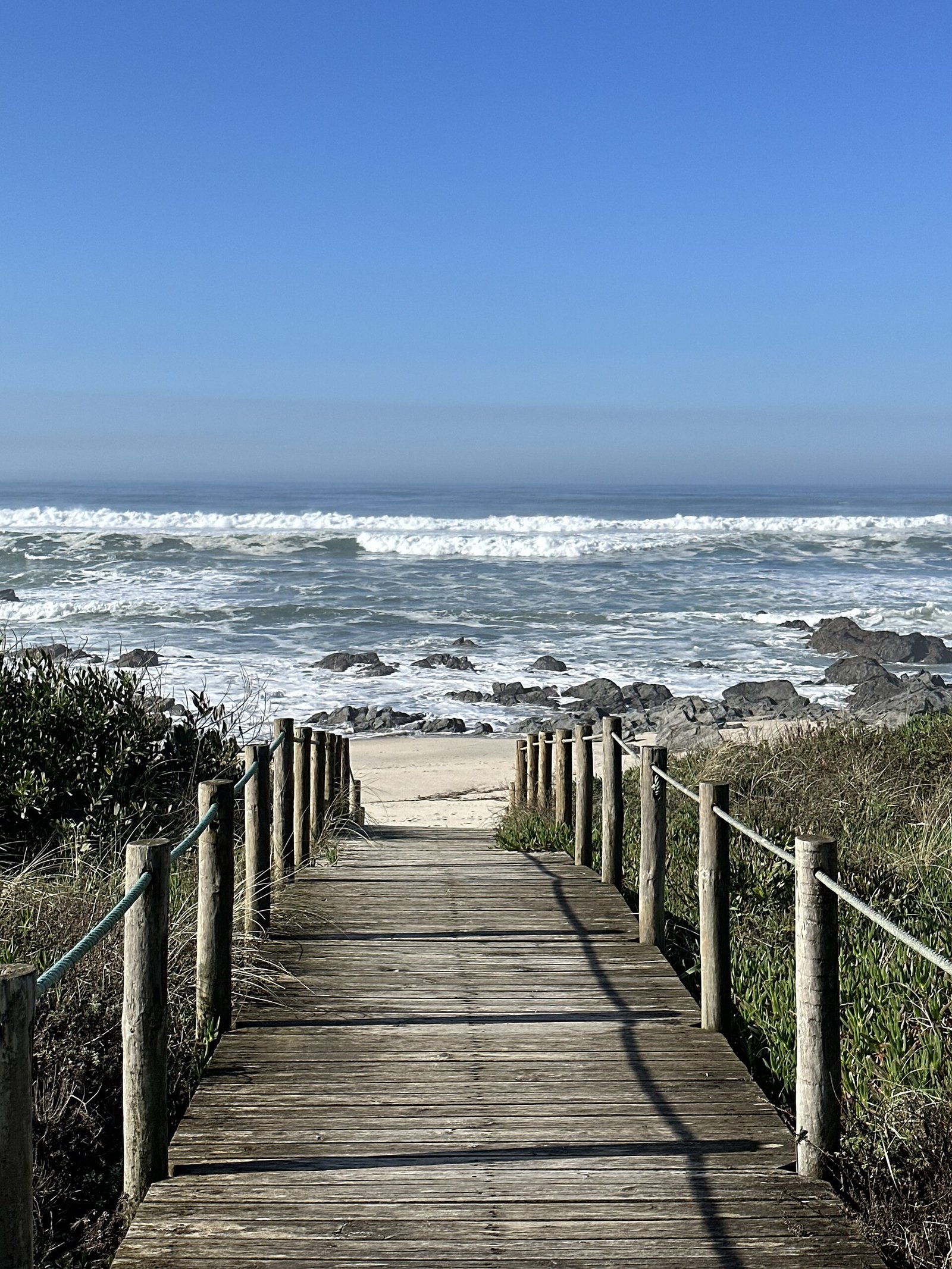
Imagine arriving at a beautiful Gran Canaria beach, the sun warm on your skin, the Atlantic glinting just metres away — and then facing a stretch of soft sand with no way to cross it. For many visitors with reduced mobility, this is not a hypothetical scenario. It is the daily reality on an island that markets itself as a world-class destination, yet still leaves gaps in something as fundamental as getting to the water's edge.
Now, a fresh political initiative is pushing to change that. Coalición Canaria (CC) has formally asked the Cabildo de Gran Canaria to guarantee barrier-free, accessible and inclusive beaches across the island. Their proposal is refreshingly concrete: accessible walkways and ramps, amphibious wheelchairs, adapted toilets and showers, assisted-bathing points with trained staff, and — crucially — a clear, public "traffic-light" map showing which beaches fully comply, which partially comply, and which still have barriers. It is a demand for transparency and minimum standards, not just good intentions.
What Is Being Demanded — and Why It Matters
CC's proposal cuts through vague promises. They point to a specific, verifiable gap: out of 14 Blue Flag beaches on Gran Canaria, only six have, every day in summer, an amphibious wheelchair, staff and adapted toilets in operation. For a "green" rating on their proposed map, a beach would need a ramp or accessible walkway, an amphibious wheelchair, an adapted toilet, and qualified support staff to assist entry into the water. A "yellow" beach would have some but not all elements, and a "red" beach would present barriers for people with disabilities.
This is a party initiative, not yet a binding measure. Implementation would depend on the Cabildo and individual municipalities. But it shines a useful spotlight on what is currently an uneven patchwork of services. The Cabildo runs a project called "Gran Canaria Accesible" and has a formal accessibility section on its institutional portal. The Canary Islands Government has financed 76 amphibious wheelchairs — 56 for adults, 20 for children — for municipalities across the archipelago. These are real investments. Yet the day-to-day reality for a visitor depends heavily on which municipality they are in, which beach they choose, and even which month they visit.
The Gold Standard: Las Canteras and the South
If you want the safest, most predictable accessible beach experience on Gran Canaria, two areas stand out. In the capital, Playa de Las Canteras holds an AENOR Universal Accessibility certificate for its assisted-bathing service and complementary facilities. Cruz Roja manages the service here, with amphibious wheelchairs, adapted toilets and showers, ramp access from the promenade, and trained staff available year-round. It is, by some distance, the island's most certified and reliable option.
In the south, the municipality of San Bartolomé de Tirajana — home to Maspalomas, Playa del Inglés and surrounding beaches — provides free assisted bathing for people with reduced mobility at six beaches, 365 days a year. The beaches are San Agustín, Las Burras, El Cochino, Playa del Inglés, Maspalomas and Meloneras. Cruz Roja operates the service, typically from 10:00 to 17:00, extended to 19:00 between 15 June and 15 September. These six beaches form the backbone of accessible bathing in the main tourist zone, and their year-round commitment is genuinely impressive by any standard.
Other Beaches Worth Knowing
Beyond the two main hubs, several other beaches offer solid accessibility, though with more seasonal variation. In Telde, on the east coast, Playa de Melenara is described in multiple accessibility guides as a "totally accessible" beach, with ramps, wooden walkways, amphibious wheelchairs, water crutches, adapted showers and toilets, reserved parking and support staff — at least during the bathing season.
In the south-west municipality of Mogán, Playa de Amadores and Playa de Mogán both list amphibious wheelchairs, adapted toilets and showers, reserved sunshade areas and support staff in specialised accessibility resources. Other Mogán beaches — Las Marañuelas in Arguineguín, Puerto Rico, Patalavaca and Taurito — have ramps, walkways and some adapted facilities, but do not always explicitly offer amphibious wheelchairs or dedicated staff. Treat these as good for independent access, less certain for assisted bathing.
In the north-west, Playa de Sardina in Gáldar has an adapted crane installed to facilitate sea access for divers with reduced mobility, and Cruz Roja lists it among its adapted bathing service locations. Playa de Las Nieves in Agaete also offers adapted bathing, but only on weekends. For visitors who do not require formal staff assistance, several natural pools — El Puertillo and Los Charcones in Arucas, El Altillo in Moya, and La Laja pools near Las Palmas — offer ramps with handrails, non-slip surfaces and, in some cases, adapted public toilets.
What This Means for Your Visit
CC's traffic-light proposal is, at heart, a call to turn a patchwork of well-meaning efforts into a transparent, standardised system. For now, the reality is that Gran Canaria does have genuinely accessible beaches — more than ten, by some counts — but the level of service varies. A beach with a ramp is not the same as a beach with a ramp, an amphibious wheelchair, an adapted toilet and a trained staff member ready to help you into the sea.
The Cabildo and municipalities can point to real achievements: AENOR certification at Las Canteras, year-round assisted bathing across six southern beaches, regional funding for dozens of amphibious wheelchairs, and ongoing infrastructure improvements. Yet the fact that only six of 14 Blue Flag beaches meet the full daily summer standard is a gap that CC rightly highlights. For visitors, the practical takeaway is simple: choose your beach with care, confirm services before you go, and know that the island is slowly, unevenly, moving toward a more inclusive coastline.
Common questions
- Which Gran Canaria beach is most reliably accessible year-round?
- Playa de Las Canteras in the capital, with AENOR certification and Cruz Roja-assisted bathing available all year.
- Are there beaches with assisted bathing every day in the south?
- Yes, San Bartolomé de Tirajana offers free assisted bathing 365 days a year at San Agustín, Las Burras, El Cochino, Playa del Inglés, Maspalomas and Meloneras.
- Do I need to book assisted bathing in advance?
- Some services may require prior booking. Contact the local Cruz Roja post or municipality before your visit to check.
- What is an amphibious wheelchair?
- A specially designed wheelchair that can enter the water safely, allowing people with reduced mobility to bathe with assistance from trained staff.
- Are natural pools a good alternative to beaches?
- Yes, pools like El Puertillo, Los Charcones and La Laja have ramps and handrails, making them accessible for independent entry, though they may lack staffed assistance.
Read on
- Gran Canaria this weekend, 23–25 October: WOMEX, La Oreja de Van GoghGran Canaria · 20 October
- Puerto de Mogán: 4 verified restaurants, from fish to IrishGran Canaria · 20 October
- Sara Carbonero's Canary Islands Refuge: Volcanic Beaches and Pure CalmLanzarote · 21 July
- Spain's New Smoking Ban Draft: What It Means for Beaches and Terraces in the Canary IslandsCanary Islands · 21 July
- Gran Canaria: Halloween parties on 31 October at a glanceGran Canaria · 20 October
- All events on Gran Canaria →
Stand: 22 July 2026. Services and schedules may change; always confirm directly with local authorities or Cruz Roja before planning your visit.