When life gets too loud, even the most famous faces need a place to turn down the volume. For Sara Carbonero, that place isn't a velvet-rope beach club or a five-star resort. It's a tiny settlement called Pedro Barba on the car-free island of La Graciosa, where the roads are made of sand and the loudest sound is the gentle lapping of the Atlantic against a volcanic shore. This is not just a holiday destination for the Spanish journalist; it has become her sanctuary, a place of healing and deep connection.
Over the past year, Carbonero has returned repeatedly to this corner of the Canary Islands, weaving it into the fabric of her family life. From welcoming the New Year in a swimsuit with close friends to finding solace after a sudden health scare, her bond with Lanzarote and its tiny northern neighbour has only deepened. The islands offer something increasingly rare: a genuine escape where nature, not nightlife, dictates the pace. And the best part? This isn't a closed-off celebrity enclave. With a little planning, you can sink your toes into the exact same golden sand and taste the same volcanic wine.
The Hidden Hideaway: Life on La Graciosa
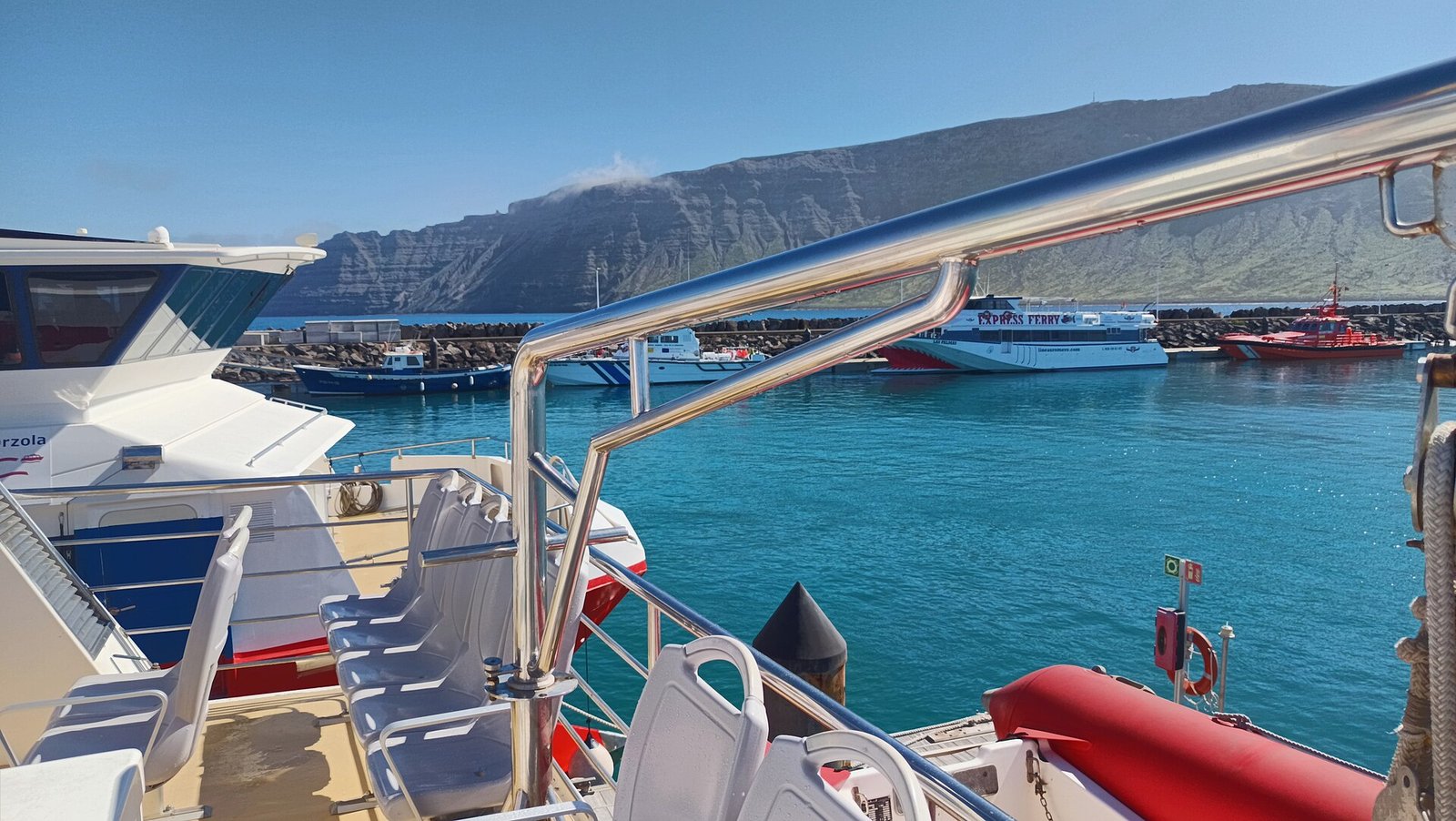
La Graciosa is the Canary Islands' best-kept open secret. Part of the Chinijo Archipelago, this speck of land north of Lanzarote feels like stepping back in time. There are no airports, no high-rise hotels, and famously, no paved roads. The "streets" of its two main settlements, Caleta de Sebo and the even smaller Pedro Barba, are compacted sand. To get here, you must take a 25-minute ferry from the port of Órzola in northern Lanzarote, a journey that immediately sets the tone for the disconnection to come.
It is in Pedro Barba where Carbonero has found her most personal refuge. This tiny cluster of whitewashed houses, originally a fishing community, sits right by the sea with its own small beach and a wooden jetty. The atmosphere is one of profound tranquility. During her stays, reports describe a rhythm of simple pleasures: morning yoga sessions overlooking the ocean, long walks along the shore with her children, and evening barbecues with friends like fellow journalist Isabel Jiménez. The backdrop is a stark, beautiful volcanic landscape with low relief, offering unobstructed views across the water to the cliffs of Lanzarote. It's a place designed for doing very little, very well.
Beaches Where the Sand is Still Untouched
The coastline around Pedro Barba and the wider island is a collection of virgin coves and expansive, undeveloped beaches. One of the standout spots visited by Carbonero and her group is Montaña Amarilla, a striking formation reached by jeep along the island's unpaved tracks. The beach here offers a spectacular panorama of La Graciosa's coast with the volcanic ridges of Lanzarote rising in the distance. The sand is a soft, light gold, and the waters are famously clear, perfect for a refreshing dip after a bumpy ride.
Back on Lanzarote, her beach of choice is Los Pocillos in Puerto del Carmen. This is a very different but equally calming experience: a long, wide sweep of golden sand with gentle, tranquil waters that make it a favourite for families. It's the kind of beach where you can walk for miles, letting the rhythm of the waves clear your head. While the islands are volcanic in origin, the beaches she is drawn to are not the dramatic black-sand stretches you might expect, but rather these serene, golden havens that feel soft and welcoming underfoot.
Beyond the Beach: A Taste of Volcanic Lanzarote
A trip to this part of the world isn't just about the coastline. Carbonero's connection to Lanzarote also runs deep into its interior, specifically to the otherworldly wine region of La Geria. Here, the island's volcanic soul is on full display. The landscape is a sea of black ash, or lapilli, where local farmers have ingeniously cultivated vines in conical pits, each protected by a small, semi-circular stone wall. It's a viticultural miracle that produces crisp, mineral-driven white wines, particularly from the Malvasía grape.
During a recent trip, timed around her son's participation in the Lanzarote International Cup, Carbonero made a point of revisiting La Geria for a wine tasting. You can easily do the same. Many bodegas offer tours and tastings where you can sample these unique "volcanic wines" while gazing out over a landscape that feels almost lunar. It's a sensory experience that perfectly complements the coastal calm, grounding you in the raw, powerful geology that shapes every aspect of life on these islands.
How to Find Your Own Atlantic Refuge
The beauty of this Canarian escape is its accessibility. To follow in Carbonero's footsteps, start by flying into Lanzarote. From there, head north to Órzola and catch the regular ferry to La Graciosa. For the full Pedro Barba experience, you can rent one of the seafront houses, known as the Casas de Pedro Barba. These are available through local providers, with prices reported around €1,500 per week for a front-line property with its own beach access. It's an investment in absolute peace.
Your days can be as full or as empty as you like. Spend mornings on the little beach at Pedro Barba, take a jeep or bike to explore Montaña Amarilla, and dedicate at least one afternoon on Lanzarote to the wineries of La Geria. The key is to embrace the "slow life" philosophy that makes this place so special. This isn't a destination for packed itineraries; it's a place to read a book on the sand, share a long lunch with friends, and remember what it feels like to be completely, blissfully disconnected from the noise of the world.
Common questions
- Where exactly is Sara Carbonero's Canary Island refuge?
- Her primary refuge is the tiny settlement of Pedro Barba on the island of La Graciosa, just north of Lanzarote. She also spends time on Lanzarote itself, particularly at Los Pocillos beach and in the La Geria wine region.
- How do I get to La Graciosa?
- There is no airport. You must take a regular 25-minute ferry from the port of Órzola in northern Lanzarote. Once there, transport is on foot, by bicycle, or by jeep on unpaved tracks.
- What makes the beaches there special?
- The beaches are largely virgin and undeveloped, with soft golden sand and clear, calm waters. The volcanic landscape provides a dramatic and unique backdrop, and the lack of crowds ensures a profound sense of peace.
- Can I stay in the same place as Sara Carbonero?
- Yes, the Casas de Pedro Barba are available for rent. They are a cluster of seafront white houses with direct access to a small beach and jetty, bookable through local accommodation providers.
- What is there to do besides going to the beach?
- A must-do is a visit to La Geria on Lanzarote, a unique wine region where vines grow in volcanic ash. You can tour bodegas and taste the local mineral-rich white wines. Yoga, cycling, and simply disconnecting are the main activities.
Read on
- Puerto del Carmen restaurants: 5 picks, harbour to IndianLanzarote · 19 October
- Arrecife: Reducto road closures from 19 OctoberLanzarote · 18 October
- Climate Refuge Hotels in the Canaries: How Ashotel’s New Network WorksTenerife · 3 August
- Barrier-Free Beaches in Gran Canaria: Where Access and Inclusion Are RealGran Canaria · 22 July
- Puerto del Carmen Christmas market: 10 to 13 DecemberLanzarote · 17 October
- All events on Lanzarote →
Stand 21 July 2026. This article is based on verified public reports and does not imply any endorsement by or direct communication with Sara Carbonero. All details about her stays are drawn from published media coverage.