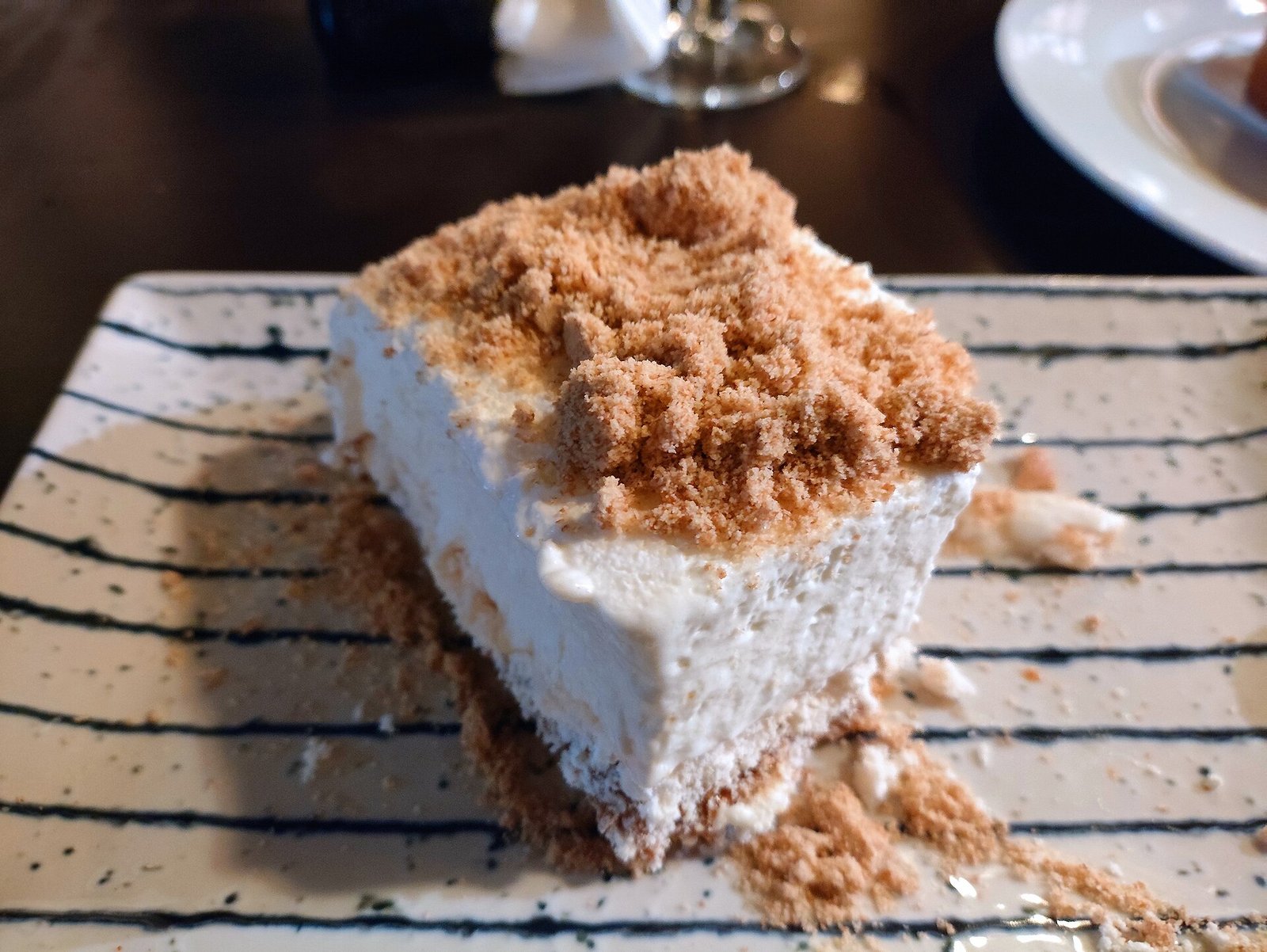
There is a certain magic in the phrase “one island, one restaurant.” It strips away the noise of endless online reviews and hands you a single, carefully chosen address. That is the premise of a recent feature by Canarias Ahora and Por Fogones, which set out to answer a deliciously simple question: if you could eat at only one place on each of the eight Canary Islands, where would it be?
The full selection remains exclusive to the original article, but the idea has already sparked conversations among food-loving locals, digital nomads, and curious tourists. It taps into something we all crave when we travel: a trusted recommendation that feels personal, not algorithmic. The Canary Islands, with their wildly diverse microclimates and culinary traditions, are the perfect stage for this kind of curated food adventure.
A Different Flavor on Every Shore
What makes this concept so compelling is the sheer variety across the archipelago. On Lanzarote, you might find yourself in a volcanic landscape, eating grilled fish caught hours earlier in the Atlantic. Other guides often point to places like Casa Rafa in El Golfo, famous for its rice dishes and views of the green lagoon, or El Risco in Famara, where creative coastal cuisine meets a surfer’s sunset. Whether one of these is the chosen spot remains a mystery, but they capture the island’s spirit perfectly.
Hop over to Fuerteventura, and the culinary map shifts toward hearty inland cooking and wind-swept fish restaurants. Travelers frequently rave about La Marisma in El Cotillo, a no-fuss place for traditional fish dishes, or Don Antonio in Betancuria, where the island’s pastoral heart beats strongest. The Por Fogones pick could be one of these beloved classics, or a hidden gem waiting to be discovered.
The Green Islands and Their Secrets
La Palma and La Gomera often feel like the archipelago’s best-kept secrets, and their food scenes follow suit. On La Palma, simple, deeply local spots like Casa Goyo near the airport serve fish so fresh it practically leaps onto the plate. El Canal in San Andrés is another name whispered among those who love classic island cooking. The chosen restaurant in the guide likely shares this devotion to raw ingredients and unpretentious hospitality.
La Gomera’s entry is even more elusive. The island’s rugged terrain and ancient traditions produce a cuisine that feels rooted in another century. Think almogrote, watercress stews, and palm honey. The Por Fogones selection, whatever it may be, almost certainly honors this deep connection between land and plate.
Tenerife and Gran Canaria: The Big Players
The two most populous islands present an almost overwhelming choice. Tenerife alone could fill a book with its must-eat spots, from guachinches pouring young wine in the north to upscale seafood temples in the south. Casa Tomás in Tegueste is a legendary name for papas arrugadas and grilled meats, a place where time seems to slow down. Yet the Por Fogones guide may have looked elsewhere, perhaps to a lesser-known corner of the island.
Gran Canaria’s selection is equally intriguing. The island’s restaurant scene is a mosaic of influences, with everything from high-end dining in Patalavaca to rustic grill houses in Arucas. Names like Aloha 37, Casa Brito, and La Aquarela appear in countless other guides, but the specific restaurant chosen for this feature remains unconfirmed. What is certain is that Gran Canaria’s culinary identity is as varied as its landscapes, from the dunes of Maspalomas to the green ravines of the north.
El Hierro and La Graciosa: The Remote Gems
The final two islands are the wild cards. El Hierro, the smallest and most westerly of the main islands, has a food culture shaped by isolation and self-sufficiency. Its restaurants are few but fiercely loved, often serving fish landed in the island’s tiny harbors and produce grown in volcanic soil. The Por Fogones choice here is a true insider tip, the kind of place you hear about from a friend of a friend.
Then there is La Graciosa, the eighth island, a sun-bleached speck north of Lanzarote with sandy streets and a handful of seafood spots in Caleta de Sebo. Eating here means grilled fish, cold beer, and the sound of waves. The restaurant selected for this guide is not publicly confirmed, but it almost certainly embodies the island’s barefoot, slow-living ethos. This is food without pretense, and it tastes all the better for it.
Common questions
- Where can I find the full list of eight restaurants?
- The complete selection is published in the original Canarias Ahora / Por Fogones article. We recommend checking their website directly for the named restaurants and locations.
- Are these restaurants suitable for vegetarians?
- Canarian cuisine is traditionally strong on fish and meat, but most restaurants offer vegetarian options like papas arrugadas with mojo, grilled vegetables, and local cheeses.
- Do I need to book in advance?
- For popular spots, especially on weekends and during high season, booking ahead is wise. Smaller, remote places may not take reservations, so arrive early.
- Can I visit all eight islands in one trip?
- It is possible with careful planning and inter-island flights or ferries, but a more relaxed approach would be to spread the journey over several visits.
- What is the best time of year for a food-focused trip?
- Spring and autumn offer pleasant temperatures and fewer crowds. Many local food festivals also take place during these seasons, adding extra flavor to your visit.
Read on
- 343 percent more foreign residents: the Canaries now grow only through arrivalsCanary Islands · 10 September
- Canaries to Dakar: Binter direct flight, entry rules, DSSCanary Islands · 30 October
- Canaries: 211,400 homes empty as new rental scheme opensCanary Islands · 28 October
- Canary Islands 16–18 October: fiestas, concerts, partiesCanary Islands · 16 October
- Canary Islands doctors' strike extended to 10 NovemberCanary Islands · 28 October
- All events on the Canary Islands →
Stand 1 August 2026. The restaurant names from the original Por Fogones feature could not be independently verified at the time of writing. This article reflects the concept and spirit of the guide based on available information.