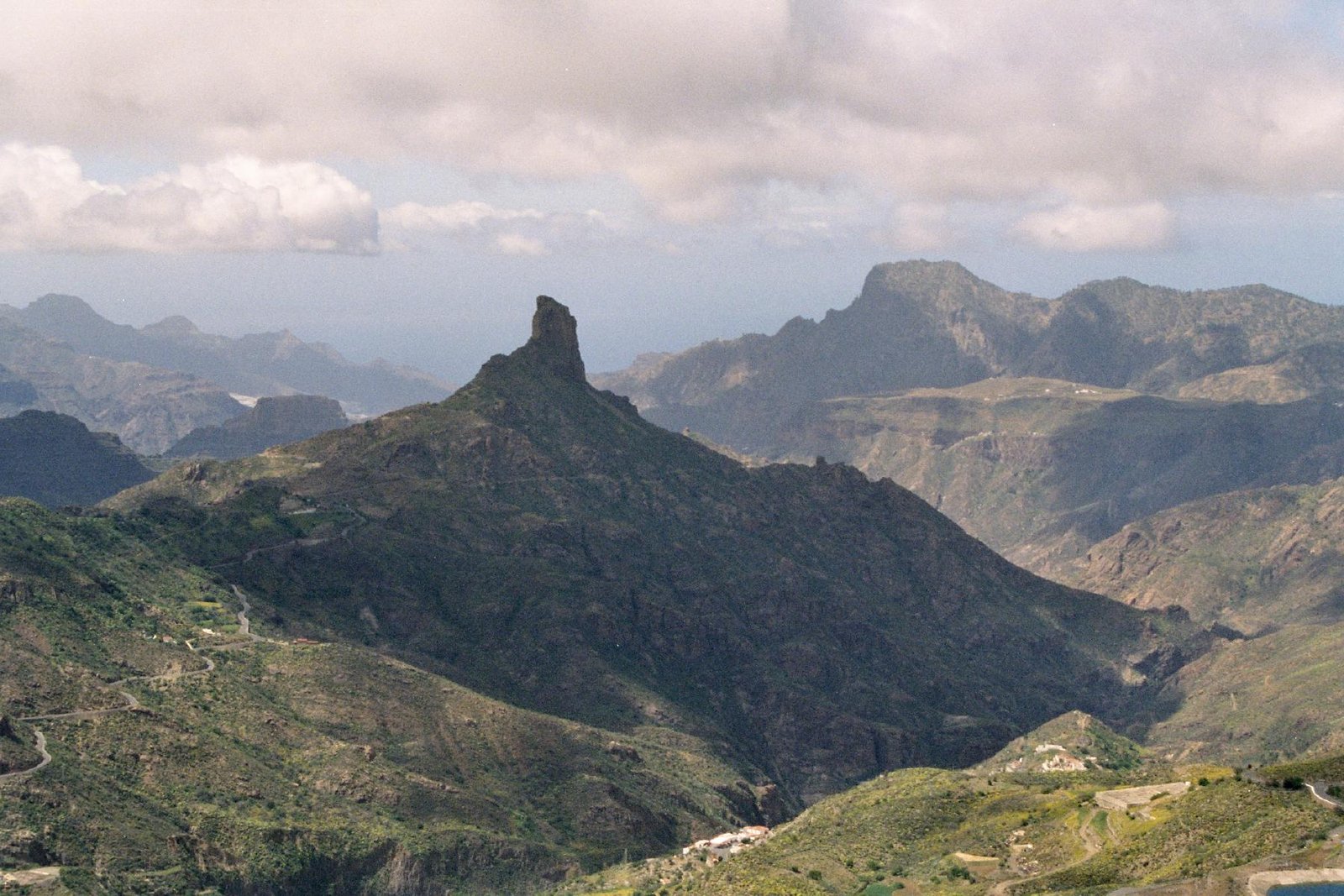
For many, Gran Canaria is a sun-drenched paradise of dunes and ocean. But climb into its volcanic heart, and you will find a silent, powerful story etched in stone. This is the realm of the ancient Canarians, a Berber-descended people who lived in profound isolation for over a thousand years. Their legacy is not just a collection of ruins; it is a sacred landscape of troglodyte villages, painted cave-sanctuaries, and astronomical temples that are now, after roughly half a century of dedicated effort, protected as a UNESCO World Heritage site.
This journey of protection began in earnest in the early 1970s. A key anchor point is 1972, when the stunning Cueva Pintada in Gáldar was declared a Historic-Artistic Monument. This act marked the start of a systematic, institutional defence of the island’s indigenous soul. It was the first major step in a long walk that would lead through decades of excavations, the discovery of lost temples in the 1990s, and eventually, to a modern heritage law and global recognition. Today, this dense framework of legal protection, scientific research, and public awareness invites you to connect with a culture that is both ancient and deeply meaningful to modern Canarian identity.
The Crown Jewel: Risco Caído and the Sacred Mountains
On 7 July 2019, the cultural landscape of Risco Caído and the Sacred Mountains of Gran Canaria was inscribed on the UNESCO World Heritage List. This vast area of roughly 18,000 hectares spans the highland municipalities of Artenara, Tejeda, Gáldar, and Agaete, forming a breathtaking tapestry of deep ravines and volcanic peaks. UNESCO recognised it as an exceptional testimony to a pre-Hispanic culture that evolved in total isolation from its North African roots, developing a unique way of life deeply intertwined with the cosmos.
At the heart of this landscape lies the archaeological complex of Risco Caído itself. Here, 21 excavated caves reveal a world of profound spiritual significance. The most famous chamber features a cupola carved into the rock, adorned with one of the world’s largest concentrations of pubic triangle engravings, symbols strongly associated with fertility. A carefully positioned opening channels sunlight and moonlight into the chamber in a way that archaeologists interpret as a sophisticated calendrical and ritual “temple.” Beyond Risco Caído, the sacred landscape encompasses other monumental sites like the Roque Bentayga, a towering rock pillar that was a focal point for indigenous worship, and the Mesa de Acusa, with its cliffside granaries and dwellings. To begin your exploration, the Interpretation Centre in Artenara provides an excellent overview and is the perfect starting point for understanding this living, breathing cultural treasure.
The "Sistine Chapel" of the Ancient Canarians: Cueva Pintada
In the modern town of Gáldar, once the pre-Hispanic capital of Agáldar, lies one of the archipelago’s most important archaeological treasures. The Cueva Pintada Museum and Archaeological Park protects a large settlement of over sixty houses and artificial caves, but its heart is a single, extraordinary chamber. Discovered in the late 19th century and protected as a monument since 1972, this cave is covered in a complex frieze of geometric paintings—squares, triangles, and rhombi—that are unique in the Canary Islands.
This is not simply ancient graffiti. The site, which was occupied from around the 6th to the 16th centuries, functioned as a sanctuary, likely tied to the rituals of indigenous aristocratic lineages. While the precise meaning of the paintings remains a beautiful mystery, leading theories suggest they form an elaborate lunar and solar calendar, or perhaps represent family emblems similar to the clay seals, or pintaderas, found across the island. Walking through the meticulously preserved park of about 5,000 square metres, you can trace the layout of the ancient settlement and peer into the decorated chamber, connecting directly with the artistic and spiritual expression of a vanished world. It is a deeply moving experience that anchors the entire 50-year story of heritage protection on the island.
Lost Temples and Star Sanctuaries: The Almogarenes
Scattered across Gran Canaria’s highlands are enigmatic structures known as almogarenes. In Canarian archaeology, this term describes rock-cut sanctuaries or cult spaces, often delimited by low stone walls, where the ancient Canarians performed religious rites, left offerings, and observed the sky. These were not simply places of worship; they were sophisticated astronomical observatories intrinsically linked to agricultural cycles and the movement of the sun and moon.
One of the most spectacular is the Almogarén de Artevigua, discovered in 1996 in the Barranco Hondo area between Artenara and Gáldar. Researchers have described it as a “lost astronomical temple,” perched dramatically near the rim of the Tejeda caldera. Another significant example is the Almogarén de Amurga, a ceremonial sanctuary in the rugged Macizo de Amurga. The UNESCO inscription explicitly reinforces the global importance of these almogarenes as profound testimonies to the belief systems of the first Canarians. For visitors, understanding these sites transforms a simple hike into a journey through a sacred landscape, where every rock alignment and carved chamber had a deep, celestial meaning.
Why This Ancient Legacy Matters Today
This heritage is far more than a tourist attraction; it is the bedrock of contemporary Canarian identity. The regional heritage law of 2019 explicitly states that protecting this legacy is a tool for social cohesion, sustainable development, and a foundation of cultural identity. For residents, the UNESCO recognition of Risco Caído formally embeds their indigenous legacy in a global narrative, strengthening community pride and ensuring this heritage is transmitted to future generations. It provides a historical anchor that reaches back millennia, enriching the islands’ story beyond the colonial period.
For you, the respectful visitor, this offers a rare and powerful encounter. You are entering a landscape that is ancestral, sensitive, and still partially shrouded in mystery. The duty is simple but vital: follow the rules. Stay on marked paths, never touch the rock art, and use the official visitor centres and guided tours. Recognise that many interpretations of rituals and symbols are scholarly hypotheses, presented with care by museums. By engaging with this ancient world thoughtfully, you are not just sightseeing; you are participating in the ongoing, half-century-long effort to honour and protect a truly unique chapter of human history.
Common questions
- What exactly is the Risco Caído and Sacred Mountains UNESCO site?
- It is a protected cultural landscape of about 18,000 hectares in Gran Canaria's mountainous centre, recognised for its exceptional pre-Hispanic troglodyte settlements, sanctuaries, and rock art.
- Where can I see the famous aboriginal cave paintings?
- The most important painted cave is the Cueva Pintada in Gáldar, now a museum and archaeological park. The Risco Caído complex also contains significant rock art.
- What is an almogarén?
- An almogarén is an archaeological term for a rock-cut sanctuary or cult space used by the ancient Canarians for religious rites, offerings, and astronomical observations.
- When did the serious protection of these sites begin?
- A key milestone was 1972, when the Cueva Pintada was declared a Historic-Artistic Monument, marking the start of roughly 50 years of systematic legal and institutional defence.
- How can I visit the Risco Caído area respectfully?
- Start at the official Interpretation Centre in Artenara, use guided tours where possible, stay on marked trails, and never touch or damage any archaeological structures or rock art.
Read on
- Gran Canaria: KM.0 fair in Santa Brígida on 24–25 OctoberGran Canaria · 15 October
- Las Palmas rent cap process opens on 15 OctoberGran Canaria · 15 October
- Las Palmas Gran Cabalgata 20 Feb: 7 km, 100,000+ taking partGran Canaria · 14 October
- Las Palmas restaurants 2026: Michelin-listed Verode, TabaibaGran Canaria · 15 October
- Vecindario: San Rafael 2026 fiestas with Braulio, GofionesGran Canaria · 14 October
- All events on Gran Canaria →
Stand 17 July 2026. Details on site access and opening hours can change; please verify with official sources before your visit.