Canary bananas: Asprocan orders the first supply withdrawal of 2026
The trade body Asprocan has ordered the first "pica" of 2026 for the Canary Islands banana sector — a deliberate withdrawal of fruit from the export market to prop up farm-gate prices. This was reported by eldiario.es (Canariasahora) and moncloa.com on 16 August 2026, citing Asprocan.
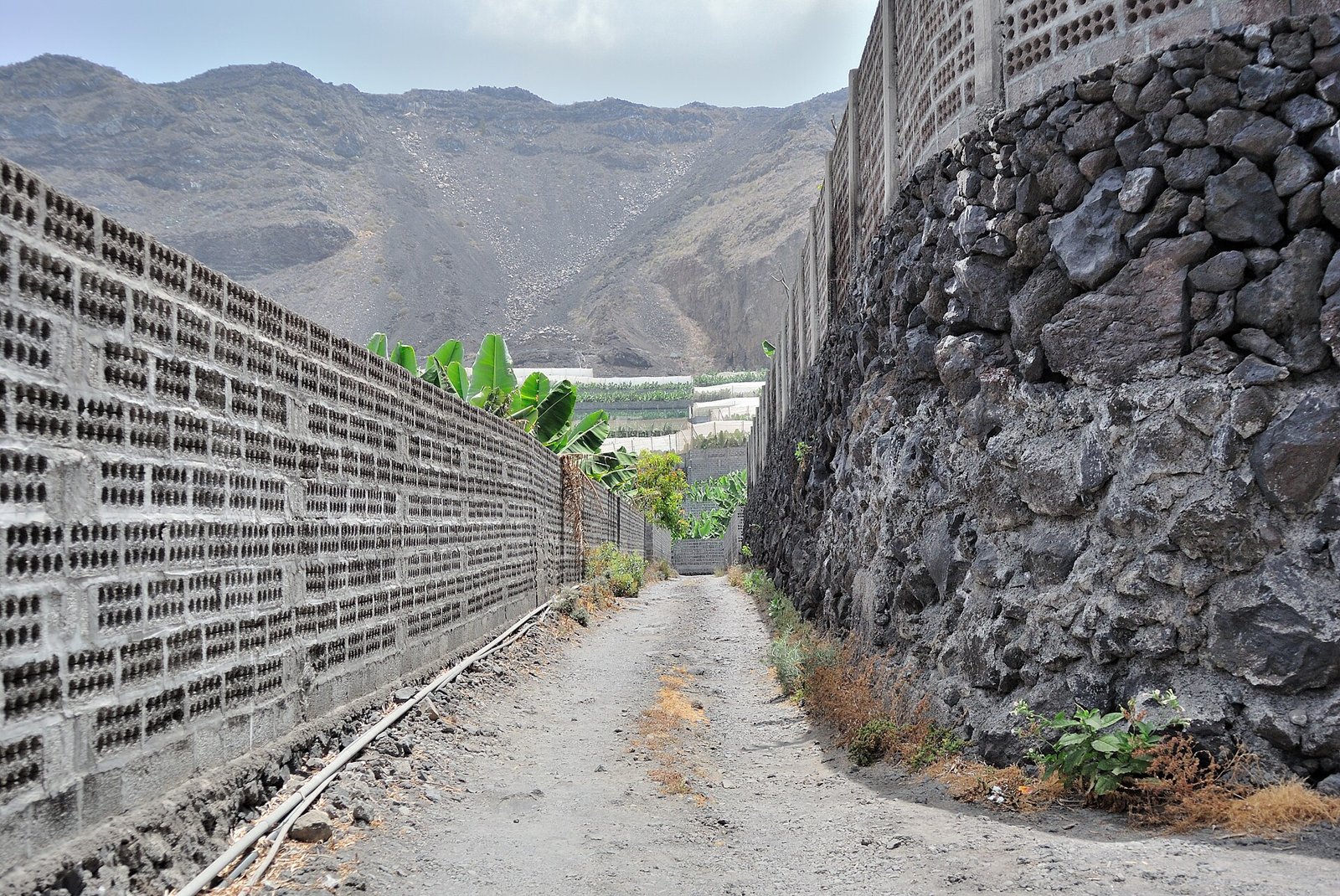
Photo: Jarek Prokop, CC BY 3.0 (Symbolbild).
Two weeks are affected. For the week of 17–23 August the planned shipment of 6.43 million kilos is cut by 630,000 kilos (about 9.8 percent), down to roughly 5.8 million kilos. For 24–30 August a further 800,000 kilos are taken out of a planned 7.2 million, according to Asprocan.
What a "pica" is
A "pica" is, per Asprocan, a self-regulation tool: part of the ripe crop is held back from export to tighten supply and stabilise prices at origin. The withdrawn fruit is explicitly not sent to mainland Spain or other EU markets.
It is therefore a volume-management measure inside the sector rather than a retail price agreement. It is triggered when the market is judged oversupplied and farm-gate prices fall below production costs, as described by eldiario.es.
The numbers for weeks 34 and 35
Week 34 (17–23 August) had a planned volume of 6.43 million kilos. Of that, Asprocan says 630,000 kilos are withdrawn — a drop of about 9.8 percent, leaving roughly 5.8 million kilos to ship.
Week 35 (24–30 August) sees a further 800,000 kilos removed from a planned 7.2 million. It is the first "pica" of the current year, according to the outlets cited.
Why prices sit below cost
The trigger is a slump in prices at origin. In week 32 the farm-gate price was 0.37 euros per kilo — and only for the extra or superior grade, per eldiario.es. Production costs are put at 0.70 to 0.80 euros per kilo.
On top of that comes the EU POSEI subsidy of about 0.32 euros per kilo. Even with that aid the sector remains in the red; eldiario.es speaks of "ruin prices" (precios de ruina).
Where the withdrawn fruit goes
The bananas taken off the market are, per Asprocan, not shipped to the mainland or Europe. Instead they may be donated to food banks, exported to Morocco, used as livestock feed or destroyed.
Donating to food banks is logistically hard in August, eldiario.es notes, so some of the fruit is likely to take other routes — the source does not give the exact breakdown.
Who decides — and how it came to this
Asprocan represents six producer organisations (OPP). The largest, Coplaca, handles about 30 percent of the archipelago's banana marketing, per the reported figures. Each withdrawal must be authorised by the regional Agriculture Ministry (Consejería de Agricultura); approval is treated as standard and is expected. eldiario.es says it received no response when it asked the department.
The crisis has been building since mid-July 2026, with fruit already retained on farms in previous weeks. For scale: in 2023, "pica" measures destroyed 26 million kilos, according to the reported figures.
Key facts & figures
- Week 34 (17–23 Aug): −630,000 kg of a planned 6.43M kg (≈9.8%), shipping ~5.8M kg (Asprocan, via eldiario.es)
- Week 35 (24–30 Aug): a further −800,000 kg of a planned 7.2M kg (Asprocan)
- 0.37 €/kg: farm-gate price week 32, extra/superior grade only (eldiario.es)
- 0.70–0.80 €/kg: estimated production cost; POSEI aid ~0.32 €/kg (eldiario.es, moncloa.com)
- Six OPP under Asprocan; Coplaca ~30% of marketing (eldiario.es)
- 2023: 26M kg destroyed via "pica" measures (reported figures)
FAQ
- What is a "pica"?
- A sector self-regulation: part of the crop is withdrawn from the export market to tighten supply and support farm-gate prices, per Asprocan.
- How much is withdrawn?
- Week 34 about 630,000 kg (≈9.8%) of 6.43M kg, and week 35 a further 800,000 kg of 7.2M kg, per eldiario.es and moncloa.com.
- What happens to the bananas?
- They are not sent to the mainland or Europe. They may be donated to food banks, exported to Morocco, used as livestock feed or destroyed, per Asprocan.
- Why the measure?
- Because the farm-gate price (0.37 €/kg for extra in week 32) is below the 0.70–0.80 €/kg cost — a loss even with POSEI aid, per eldiario.es.
- Who has to approve it?
- The regional Consejería de Agricultura must authorise each withdrawal; approval is treated as standard, per the reported figures.
Read on
- In the Gavias of Tetir, Fuerteventura, the Northern Hemisphere's First Grape Harvest BeginsFuerteventura · 21 July
- Canary Islands health insurance: €60 convenio especialCanary Islands · 20 November
- Lozoyuela fire: Madrid forest work, no impact on CanariesCanary Islands · 20 November
- Canary Islands 20-22 Nov: Feria del Atún, Opera, FiestasCanary Islands · 20 November
- Canary Islands: 4% fewer beds in 45,555 holiday letsCanary Islands · 20 November
- All events on the Canary Islands →