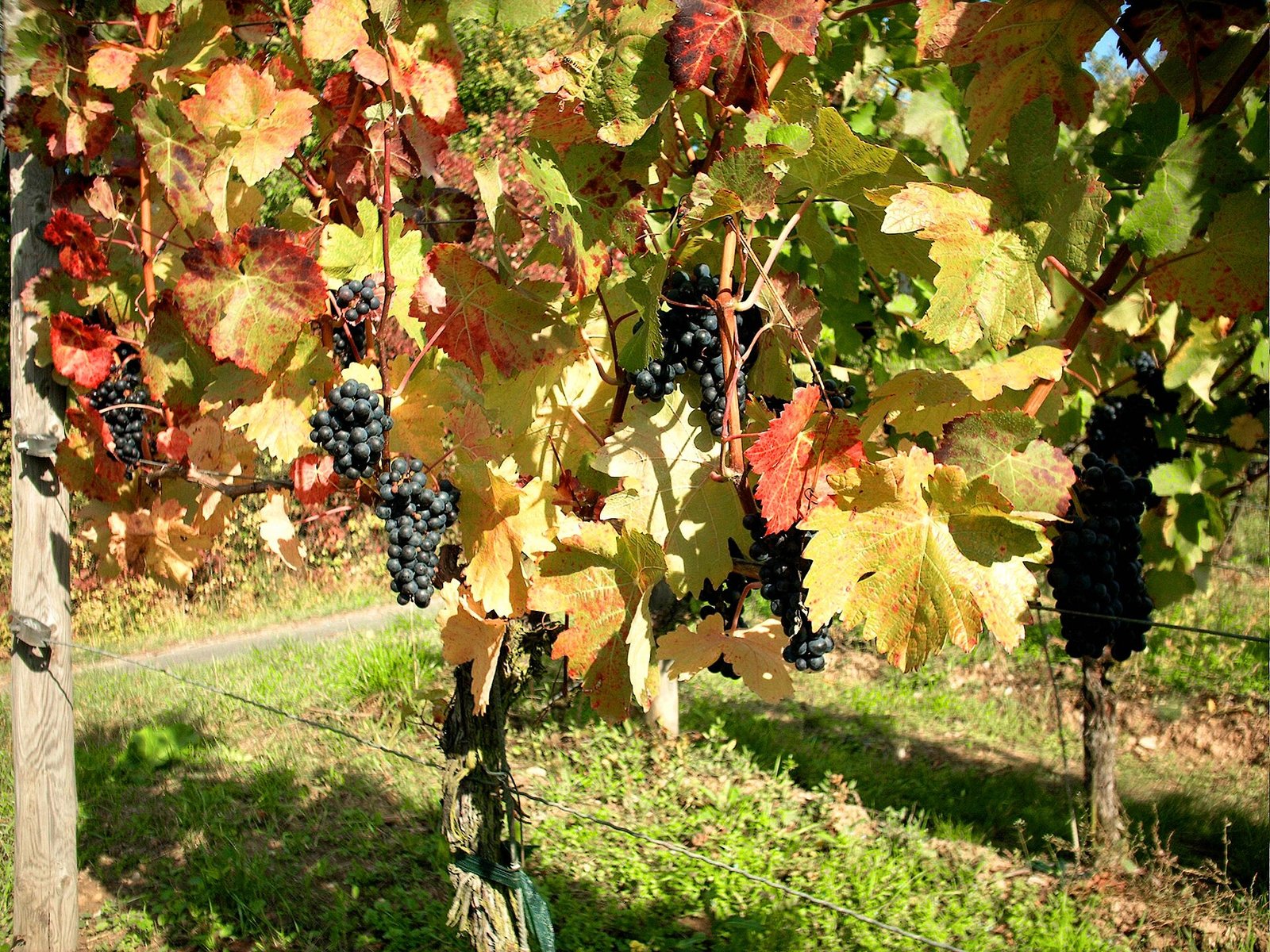
It's a scene that feels both ancient and wonderfully new. In the heart of Fuerteventura, far from the island's famous beaches, the valley of Tetir is witnessing a quiet agricultural miracle. Here, in fields designed centuries ago to trap every precious drop of rainwater, the year's first wine grapes are being snipped from the vines. This isn't just an early harvest; it's a powerful symbol of a wine renaissance on the island where Canarian viticulture first began.
The driving force behind this particular early harvest is Bodega Gavias El Sordo, a small but increasingly celebrated winery that has placed Tetir firmly on the wine lover's map. Their work is not just about making wine; it's about reviving a landscape and a culture. Their white wine, Papaíno Malvasía Volcánica Seco 2024, recently won a Gran Oro at the prestigious VinEspaña 2025 competition in Zaragoza, proving that world-class wines can emerge from these arid, volcanic soils. Gavias El Sordo is one of only three bodegas on the entire island currently bottling under the official Denominación de Origen Islas Canarias, a testament to its quality and commitment.
Why Mid-July? The Secret of the Gavias
To understand why grapes are being harvested here weeks before most of Europe even thinks about picking, you have to understand the unique marriage of climate and cultivation on Fuerteventura. The island is one of the most arid places in Spain, a land of relentless sun, strong winds, and scarce rainfall. Viticulture here is often described as "heroic," a constant battle against drought. But the farmers of old developed an ingenious solution: the gavias.
Gavias are flat or gently sloping fields enclosed by low stone or earth walls, known locally as trastones or testes. Their purpose is brilliantly simple. When the rare but often torrential rains fall, the water rushes down from surrounding slopes and is channeled into these fields through inlets called tornas. The walls hold the water, allowing it to slowly infiltrate the ground rather than running off into the sea. This creates a deep reservoir of subsoil moisture that can sustain crops for a long time without any additional irrigation. The combination of high temperatures, intense sunlight, and these shallow, moisture-retentive soils acts like a natural accelerator, pushing the grapes to ripen remarkably fast. The result is a harvest that can begin in mid-July, making it a strong contender for the very first in the northern hemisphere.
A Landscape of Heritage and Ingenuity
Walking through the gavias of Tetir is like stepping into a living museum of agricultural wisdom. These fields, traditionally used for cereals, legumes, and fruit trees, create a stunning patchwork of green that contrasts dramatically with the bare, volcanic surroundings. They are officially recognized as a traditional agro-system of the Canary Islands and are considered a vital part of the island's intangible cultural heritage. Local authorities and researchers champion them as one of the most efficient systems for conserving soil and rainwater, actively working to repair and maintain them as a frontline defense against desertification.
Today, a handful of visionary winemakers are repurposing this ancient system for a new chapter. By planting vines in the gavias, they are not only producing unique wines but also breathing new economic and cultural life into a practice that was at risk of fading away. The sight of grapevines thriving in these flood-fed fields, surrounded by fig, olive, and palm trees planted on the walls for stability, is a powerful image of sustainability and resilience.
Fuerteventura's Wine Renaissance: From Pioneer to Powerhouse
It may surprise many to learn that Fuerteventura is the birthplace of Canarian wine. The very first grapevines brought from mainland Spain were planted here, in Betancuria, in the early 1400s. For centuries, viticulture flourished, but long droughts and other pressures nearly wiped it out. Old, sometimes century-old vines survived only in remote ravines, silent witnesses to a forgotten past. Now, in a remarkable turnaround over the last decade, the island is experiencing a documented wine revival.
In roughly eight years, nearly 30 hectares of vineyards have been planted, with around 100 producers now making wine or experimenting with vines. While production is still tiny and most bottles never leave the island, the ambition is huge. The sector is working towards its own distinct Denominación de Origen, with a unique selling point at its heart: the Majorera grape. This red variety, discovered around 2016 on neglected old vines, has been confirmed as autochthonous to Fuerteventura, with a unique genetic profile found nowhere else in the world. Alongside other pioneers like Conatvs in Lajares and Bodegas La Hubara in Toto, Gavias El Sordo is at the forefront of this exciting movement, transforming Fuerteventura from a near-forgotten wine region into one of Spain's most compelling new terroirs.
How to Experience This "Heroic" Wine Culture
While the exact details of public access at Gavias El Sordo are still developing, the entire region is opening up for curious travelers. This is not mass tourism; it's a chance to connect with an extreme, hands-on form of agriculture and taste wines that are as much a product of ingenuity as of nature. The wineries themselves are increasingly investing in enotourism, offering visits and tastings that tell the story of the landscape.
You can combine a trip to the Tetir area with a visit to the Mercado Artesanal de Tetir to sample local crafts and foods, or stop by a local quesería to taste the island's famous Majorero goat cheese, a perfect pairing for the mineral, volcanic whites. Seek out the wines of Gavias El Sordo, Conatvs, and La Hubara in local restaurants and specialized shops. You'll be tasting a piece of living history—a very early harvest from flood-fed, stone-lined fields, a wine born from volcanic sands and wind-beaten vines, and a delicious demonstration of how ancient wisdom is shaping the future of Fuerteventura.
Common questions
- What exactly are gavias?
- Gavias are a traditional Majorero farming system of walled fields designed to capture and retain rare rainwater, allowing crops to grow without irrigation in Fuerteventura's arid climate.
- Why is the grape harvest so early here?
- The combination of high temperatures, intense sun, and the moisture-retaining gavia soils accelerates ripening, allowing for a harvest in mid-July, plausibly the first in the northern hemisphere.
- Who is behind the Tetir vendimia?
- The early harvest is driven by Bodega Gavias El Sordo, an award-winning winery in Tetir that specializes in cultivating vines within the historic gavia fields.
- What is the Majorera grape?
- It is a red grape variety unique to Fuerteventura, discovered around 2016. Its distinct genetic profile makes it a key part of the island's wine identity.
- Can I visit the vineyards in Tetir?
- While specific public access at Gavias El Sordo may vary, you can explore the Tetir valley and its gavia landscape via hiking trails like PR FV 15.1 and taste the wines in local establishments.
Read on
- Fuerteventura: 5 acts at Arena Negra de Día, 7 NovemberFuerteventura · 19 October
- Costa Calma: Santa Marta fiestas from 21 to 25 OctoberFuerteventura · 19 October
- Canary bananas: Asprocan orders the first supply withdrawal of 2026Canary Islands · 17 August
- Fuerteventura: safety check for Playa de la Escalera stepsFuerteventura · 18 October
- Lanzarote and Fuerteventura this weekend, 23–25 October 2026: BluesFuerteventura · 19 October
- All events on Fuerteventura →
Stand: 21 July 2026. The exact grape varieties in this specific Tetir harvest are not yet officially detailed. The "first vendimia" claim reflects the exceptionally early timing but is not a globally verified record.