When and where does the festival take place?
The Fiesta del Cacharro y la Castaña is announced for Sunday 29 November 2026 in Puerto de la Cruz. The date comes from a published events calendar, and by 10 November no 2026 programme from the Ayuntamiento (town hall) could be found.
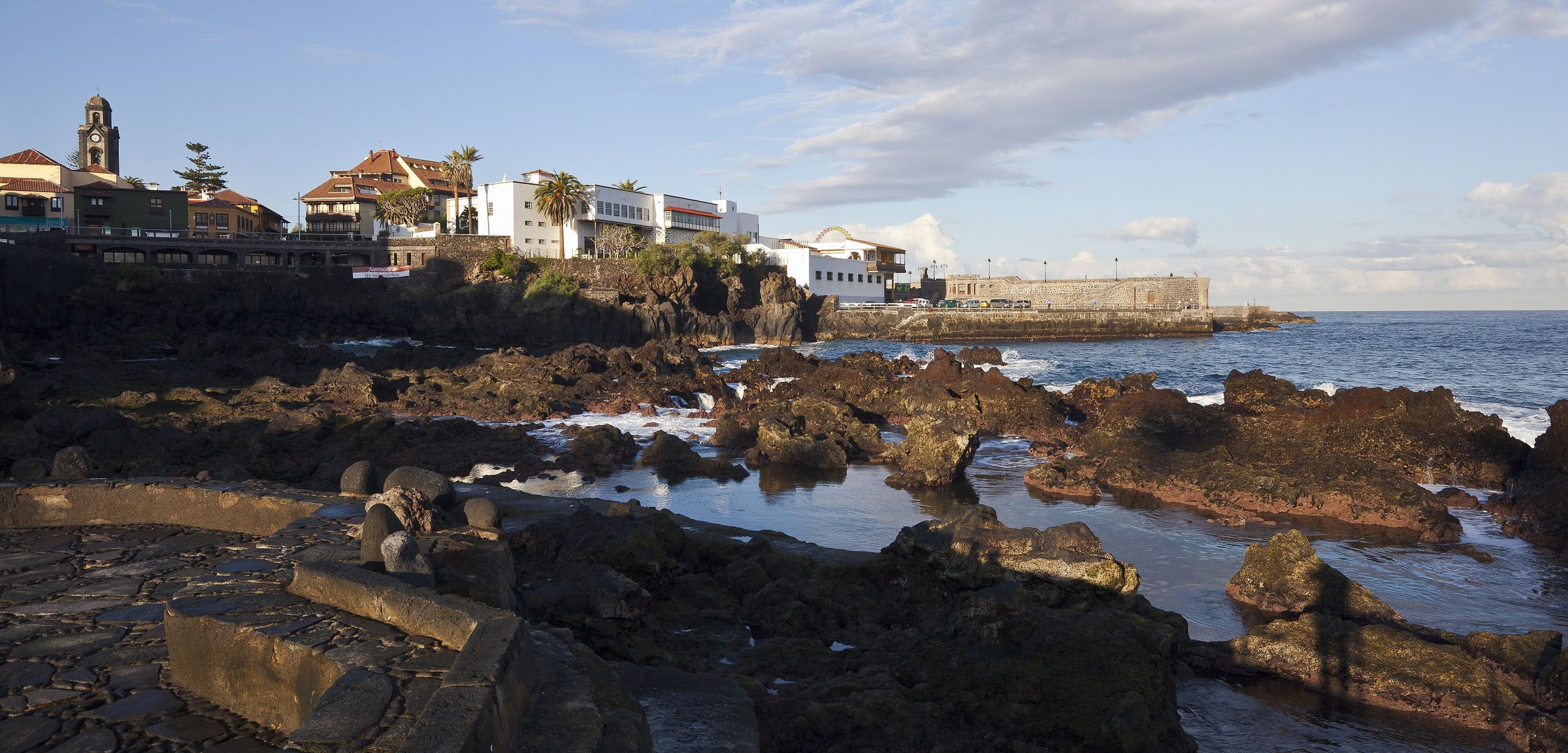
In 2023 the Ayuntamiento made the Plaza del Charco the heart of the festival. There the municipal PFAE programme ran a workshop where every family could build its own “cacharros” (rattling tins).
Neither the Ayuntamiento nor any calendar has given a start time for 2026. Even in 2023 it spoke only of the “víspera de San Andrés” (the eve of St Andrew's Day), without naming an hour.
What does admission cost, and how do I get there?
None of the sources checked gives ticket prices. One tourism site lists the 2023 edition as free, but it relies on a shortened page, so the claim is uncertain.
Nothing is available on transport for 29 November either. By 10 November no road closures, parking rules or notices from the bus company Titsa had been published.
No source describes the route from the southern resorts. Anyone planning to come should ask Titsa about timetables and the Ayuntamiento about closures.
What happens at the “Correr el cacharro”?
During the “Correr el cacharro” (literally, running the tin), families drag tins, metal containers and other scrap metal through the streets. The Ayuntamiento calls the custom “an activity as simple as it is noisy”, especially popular with the youngest.
In 2023, reports say, hundreds of families gathered around the Plaza del Charco, locals and many tourists with children. Some brought their own creations shaped like a frog, a snake or a rocket.
Neighbourhood committees walk the custom too, in La Vera, Calle Nueva, Punta Brava and San Antonio. During the day the town's five primary schools also join in.
On the evening in 2023 Mayor Marco González joined in, and roasted chestnuts were part of it. From late afternoon until deep into the night, Grupo Tres Quintos, Parranda El Timplillo and Grupo Folclórico Añate played at the historic quay (muelle histórico).
Where does the custom come from, and what is there to eat?
According to the Ayuntamiento, the custom goes back to the winegrowers of old. In these days they dragged barrels through the lanes to the sea, washed them there and stored the new harvest in them.
The origin of the custom is not documented. Folk tales say the noise was meant to drive off locusts or witches, or to wake the sleeping San Andrés.
One account of the custom says it peaked in the late 1970s and 1980s. It then faded in the towns, and today neighbourhood groups revive it with municipal support.
In northern Tenerife, St Andrew's Day brings the opening of the new wine. Roasted chestnuts, sardines or other salted fish traditionally go with it.
A tourism description also lists gofio bread, sweet potatoes and local wines for Puerto de la Cruz, based on a shortened page. Whether chestnuts and wine are free or sold in 2026 is open, and the 2023 report mentions no wine.
Are there similar festivals on the same weekend?
Icod de los Vinos holds the Tablas de San Andrés. It is a separate festival with no link to Puerto de la Cruz.
Similar customs exist in the Valle de La Orotava, for example Los Cuartos-San Andrés in La Orotava. One account of the custom calls Icod de los Vinos the strongest centre of the tradition.
When will the programme be confirmed?
The Ayuntamiento published its report on the 2023 edition on 21 November, eight days before the festival. A 2026 programme could therefore appear in the second half of the month, though nobody has named a date.
Whether the town will again hand out tins and offer the PFAE workshop is open. The sources confirm both for 2023, but nothing confirms a repeat for 2026, and the start time and route are still missing.