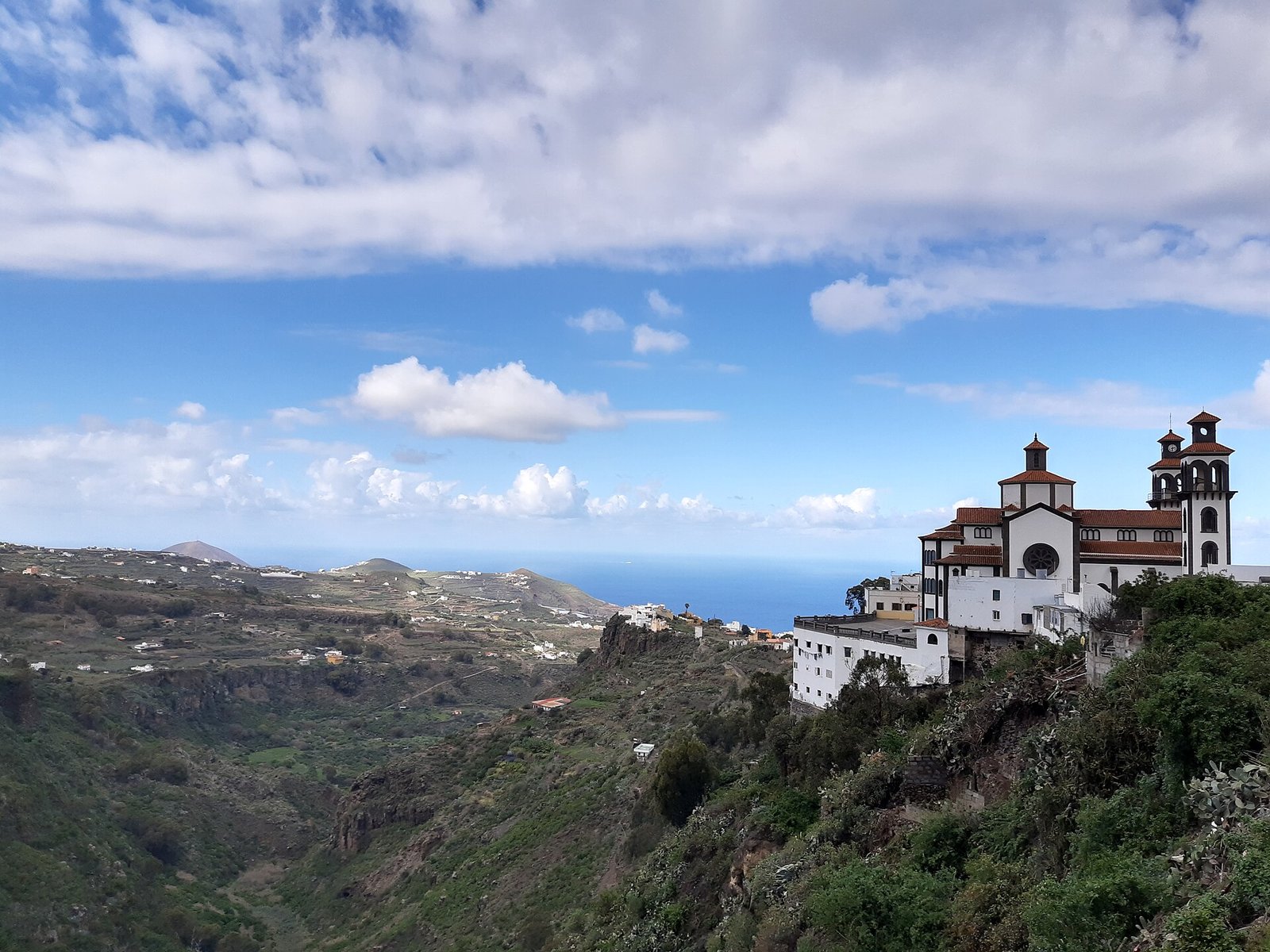
If you think you know Gran Canaria's wine story, the quiet municipality of Moya has a surprise for you. The Casa de la Cultura has just opened its doors to "Arqueología del vino en Gran Canaria," a travelling exhibition that digs deep—quite literally—into the island's winemaking roots. Forget modern bodegas for a moment; this is about the ingenious structures our ancestors carved directly into the volcanic rock.
The exhibition, which arrives in Moya after a successful run at the Cabildo's headquarters in Las Palmas, makes this northern town the first municipality to host it. It's a genuine coup for local culture lovers. The inauguration took place right at the Casa de la Cultura's facade, with local and island authorities present, marking a special moment for the community. The project is driven by the Servicio de Patrimonio Histórico del Cabildo de Gran Canaria and aims to bring a lesser-known chapter of our heritage to the public.
A Journey into the Volcanic Rock
The heart of this exhibition is the "lagar excavado en roca"—a wine press hewn directly into the stone. These aren't just holes in the ground; they are sophisticated, pre-industrial engineering marvels that speak of a deep understanding of the land. The exhibition invites you to discover one of the most relevant historical and ethnographic elements of the island, a legacy that has remained largely hidden from the typical tourist trail.
Through detailed panels and visual materials, you'll learn how these structures were used. The process involved treading grapes in a upper basin, with the juice flowing through a channel into a lower collecting tank. It's a tangible link to the agricultural memory of Gran Canaria, particularly in the north, where the landscape is still marked by these archaeological gems. The exhibition frames them not as relics, but as essential pieces of our identity.
An Expert's Eye on Island Heritage
A key voice behind this deep dive is Dr. Javier Solís Robaina, an architect whose doctoral thesis focused on the history and construction of the island's presses and lagares. His research forms the backbone of the exhibition. At the opening, he highlighted the public nature of the project, emphasizing that it was created with public funds and is designed to be loaned out to any citizen, collective, or entity that requests it.
This itinerant spirit is what makes the exhibition so special. It's not meant to gather dust in a single institution. It's a living resource for education and awareness, designed to travel across the island and spark conversations about protecting these vulnerable structures from abandonment and urban development. The exhibition makes the scholarly work of experts like Solís accessible and engaging for everyone.
Why This Matters for Gran Canaria
You might wonder why a few old stone basins are such a big deal. The answer lies in their story. These lagares are physical proof of a viticultural tradition that has shaped Gran Canaria's economy, landscape, and culture for centuries. The exhibition connects this material heritage to the living memory of winemaking, a tradition that continues to thrive with our unique Malvasía and Vijariego varieties, even if the exhibition itself focuses on the physical structures of production.
By bringing this exhibition to Moya, the Cabildo is making a clear statement about decentralising culture. It ensures that significant heritage projects are not confined to the capital but are shared with the communities that are often the direct custodians of these archaeological sites. It's a way of returning the story to its source, fostering local pride and a sense of shared ownership over the island's rich past.
Planning Your Visit to Moya
The exhibition is housed in the Casa de la Cultura de la Villa de Moya, the town's main municipal cultural space. While the exact daily schedule for this specific exhibition hasn't been published, you can expect it to align with the venue's regular opening hours. As a publicly funded, travelling show, entry is free, following the standard practice for municipal cultural events in the area.
It's a perfect excuse to explore the north of the island. Moya offers a lush, green contrast to the southern resorts, with stunning viewpoints and a tranquil atmosphere. The exhibition provides a wonderful cultural anchor for a day trip, offering a cool, contemplative space to learn something new before heading out to enjoy a local meal. Just remember to check with the local tourist office for the most up-to-date visiting times.
Common questions
- What exactly is a "lagar excavado en roca"?
- It's a traditional wine press carved directly into natural rock, used historically for treading grapes and collecting the juice.
- Where exactly in Moya is the exhibition?
- It is located at the Casa de la Cultura de la Villa de Moya, the town's main cultural centre.
- Is there an entrance fee?
- No, entry is free. The exhibition is a public-use project funded by the Cabildo de Gran Canaria.
- Who is the expert behind the research?
- The exhibition is based on the doctoral thesis of Dr. Javier Solís Robaina, a specialist in the island's traditional wine presses.
- Will the exhibition move to other places?
- Yes, it is a travelling exhibition designed to be loaned to other municipalities and cultural groups across the island.
Read on
- Gran Canaria: KM.0 fair in Santa Brígida on 24–25 OctoberGran Canaria · 15 October
- Las Palmas rent cap process opens on 15 OctoberGran Canaria · 15 October
- Las Palmas Gran Cabalgata 20 Feb: 7 km, 100,000+ taking partGran Canaria · 14 October
- Las Palmas restaurants 2026: Michelin-listed Verode, TabaibaGran Canaria · 15 October
- Vecindario: San Rafael 2026 fiestas with Braulio, GofionesGran Canaria · 14 October
- All events on Gran Canaria →
Stand 17 July 2026. Details such as exact daily opening hours and the final closing date for the exhibition in Moya were not officially confirmed at the time of writing. We recommend checking with the Moya tourist office before your visit.