45 drowning deaths in the Canaries to end of August
Forty-five people drowned in the Canary Islands between January and August 2026, according to the prevention association "Canarias, 1.500 km de Costa". The figure is a cumulative eight-month total, not the result of a single incident. Europa Press and the public broadcaster RTVC carried the balance on 1 September 2026, and other outlets picked it up in the days that followed.
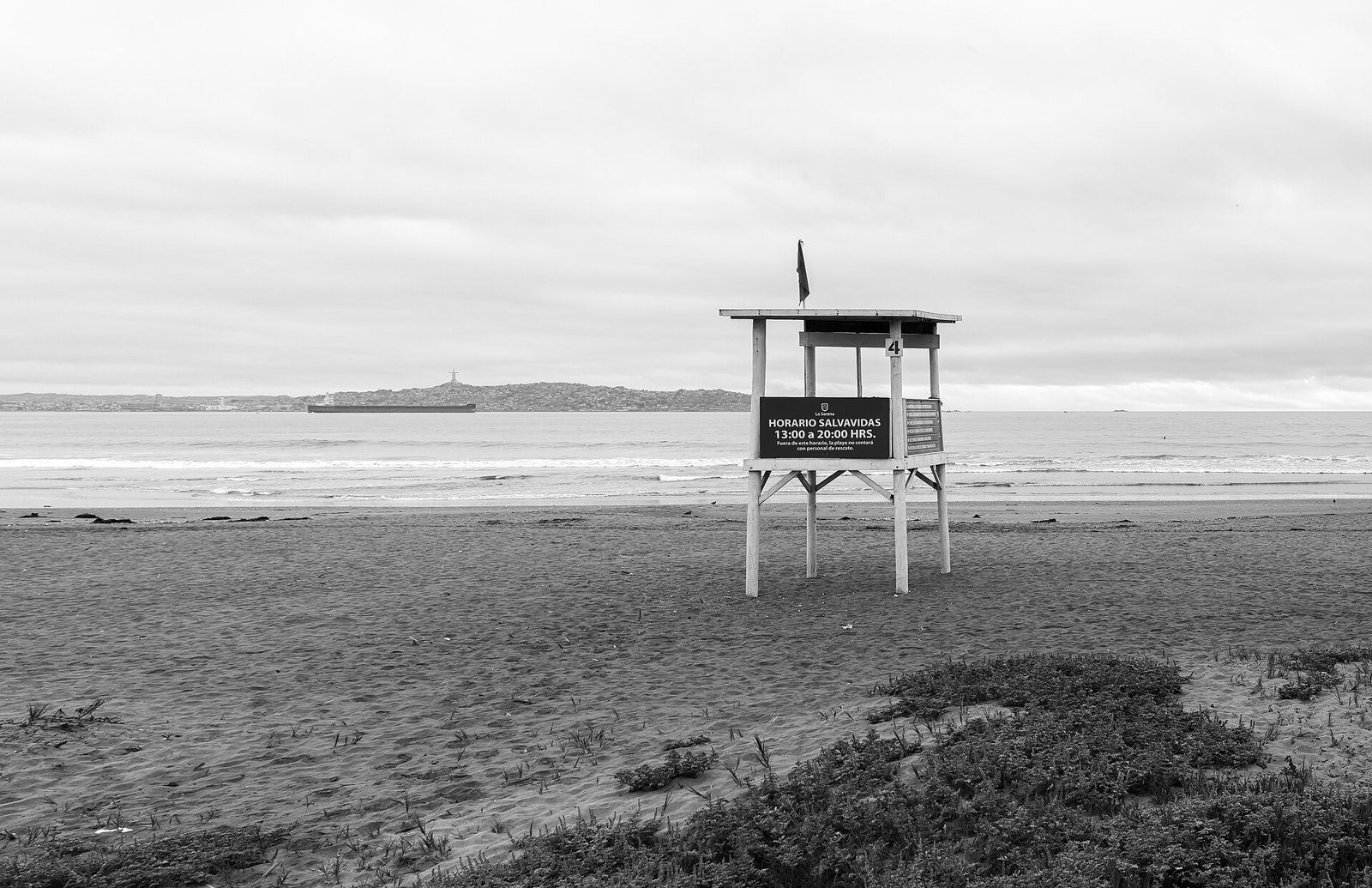
Photo: Rjcastillo, CC BY-SA 4.0 (Symbolbild).
Six of the deaths were minors, the association's breakdown says. Eighteen of those who died held a foreign nationality, from ten countries, among them three Germans and two Britons. The association states that around 90 percent of its data comes from official emergency sources. Other bodies count differently and report different totals for the Canaries, as set out below.
What the balance says
The association counts 45 drowning deaths across the archipelago from January to August 2026. In the same period of the previous year it recorded 39, six fewer, which corresponds to a rise of about 15 percent against 2025.
Beyond the deaths, the count logs 156 people affected in water incidents overall: 45 who died, 13 in a critical condition, 26 serious, 22 moderate and 23 minor, plus 27 rescued unharmed. August alone accounted for 27 of those affected, including six deaths.
Where the cases occurred
In the association's breakdown, 62 percent of the fatal cases happened on beaches, 22 percent in ports and other stretches of coast, and eight percent each in swimming pools and natural sea pools. The categories describe where an incident took place, not what caused it.
By island, the count lists Tenerife with 18 cases, Fuerteventura with ten and Gran Canaria with eight. Published summaries give no individual figures for the remaining islands. A further finding: 47 percent of those who died were in risk situations on the coast while a pre-alert or alert for coastal phenomena was in force.
Who counts, and how
The provenance of the data matters. "Canarias, 1.500 km de Costa" is a civil-society prevention association chaired by Chano Quintana. It says roughly 90 percent of its statistics come from official emergency sources: the 112 Canarias emergency line, Guardia Civil, Policía Nacional, Salvamento Marítimo, local police forces, fire services and civil protection. It is a compilation, then, rather than an official register.
In parallel, the Real Federación Española de Salvamento y Socorrismo (RFESS) runs a national count. In its balance to 31 July 2026, Andalusia led with 39 cases and Galicia followed with 32, ahead of the Canaries with 30. Because the cut-off dates and methods differ, those figures are not directly comparable with the 45 recorded to the end of August. For Spain as a whole, the RFESS reported 308 deaths to the end of July and around 333 in an interim count circulated in late August.
Lifeguards, flags and alerts
Beach flags follow the code used across Spain: green means bathing is permitted, yellow means bathing with heightened caution, red means bathing is prohibited. A black flag marks a closed beach. The flag in force is decided by the lifeguard service at each beach according to conditions at the time, and it overrides any indicative forecast.
On coverage, association president Quintana said in an interview with La Provincia that the islands have more than 750 bathing spots, of which only around 135 are properly equipped, and he puts the shortfall at more than 1,000 lifeguards. He also notes that many lifeguard contracts expire on 15 September. In early September a pre-alert for coastal phenomena applied for a time to La Gomera, Tenerife and Gran Canaria, alongside a yellow AEMET warning and ground swell of one to two metres.
What the authorities advise
When coastal warnings are active, the 1-1-2 Canarias emergency service issues a standing set of recommendations: keep away from the shoreline, do not go onto breakwaters, piers or groynes, do not take photos or videos there, and avoid fishing, water sports and coastal activities in the affected areas. Even if the sea appears to calm for a moment, the advice is to keep that distance.
If someone falls into the water, the guidance is to call for help, dial 1-1-2, stay clear of the surf zone and, where it can be done safely, throw a floating object rather than going in after them. On prevention, "Canarias, 1.500 km de Costa" opened registration in early September for its awareness talks in the 2026/27 school year; schools, associations, sports clubs and social organisations can request them.
On north-facing coasts and whenever there is ground swell ("mar de fondo"), the sea can arrive in sets even when the surface looks calm. 1-1-2 Canarias advises keeping away from breakwaters, piers and rocky entry and exit points, and not bathing while a pre-alert or alert is in force.
Never swim alone, keep children under constant supervision and within arm's reach in the water, and in an emergency call 1-1-2 rather than jumping in unprotected.
Key figures
- Confirmed (source named): 45 drowning deaths in the Canary Islands from January to August 2026, per "Canarias, 1.500 km de Costa" (carried by Europa Press and RTVC on 1 September 2026)
- Confirmed: six minors among the deaths in that period; the association describes it as the highest figure in at least eleven years
- Confirmed: 156 people affected in total – 45 deaths, 13 critical, 26 serious, 22 moderate, 23 minor, 27 rescued unharmed
- Confirmed: 18 of the deceased held a foreign nationality, from ten countries, among them three Germans and two Britons; 24 cases carry no recorded nationality
- Provisional: settings in the breakdown – 62 percent beaches, 22 percent ports and other coast, eight percent each swimming pools and natural sea pools; by island: Tenerife 18, Fuerteventura 10, Gran Canaria 8
- Different count: RFESS to 31 July 2026 – Canaries 30 cases, behind Andalusia (39) and Galicia (32); 308 across Spain to the end of July
FAQ
- What does the figure of 45 refer to?
- Deaths by drowning in the Canary Islands from January to August 2026, accumulated over eight months. It does not describe a single event.
- Who compiled the figure?
- The prevention association "Canarias, 1.500 km de Costa". It says around 90 percent of its statistics come from official emergency sources such as 112 Canarias, the Guardia Civil, Salvamento Marítimo and civil protection.
- Why does the RFESS give a different number?
- The national RFESS count uses a different cut-off (31 July 2026) and its own method; it listed 30 cases for the Canaries. The two totals cannot be set against each other directly.
- What do the beach flags mean?
- Green: bathing permitted. Yellow: bathe with heightened caution. Red: bathing prohibited. Black: beach closed. The flag is set by the lifeguard service at that beach.
- What do the authorities advise during coastal warnings?
- 1-1-2 Canarias recommends staying away from the shoreline, avoiding breakwaters and piers, not taking photos there, skipping fishing and water sports, and calling 1-1-2 in an emergency instead of entering the water unprotected.
Read on
- €224 a day: why the Canaries grew at only a third of Spain's pace in AugustCanary Islands · 2 October
- A €29 million lead: the Balearics overtake the Canaries on tourist spendingCanary Islands · 2 October
- 823,496 arrivals ahead: Andalusia overtakes the Canaries and pushes them into fourth placeCanary Islands · 2 October
- Binter Canarias: Routes, Baggage and Resident DiscountCanary Islands · 21 October
- Canaries to Morocco: Entry Rules, Flights and MoneyCanary Islands · 21 October
- All events on the Canary Islands →