Canary Islands moratorium: €300m reported for Lopesan, official breakdown unconfirmed
The Canary Islands government and several hotel developers have reached an out-of-court settlement, ending a dispute of roughly 25 years over the tourism moratorium – the building restrictions introduced between 2001 and 2003. The settlement replaces proceedings in which claims of close to one billion euros were originally on the table.
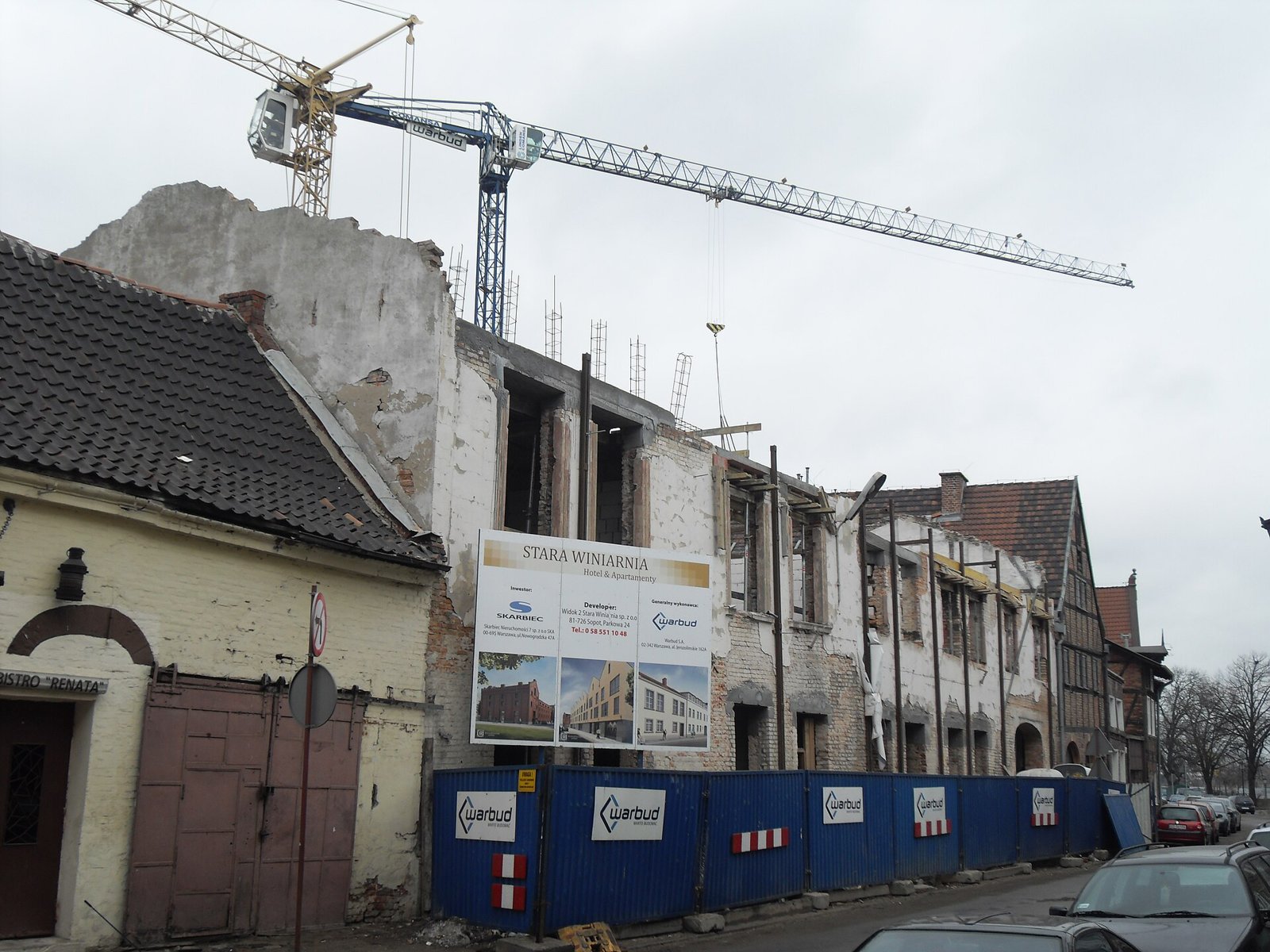
Photo: Artur Andrzej, CC BY-SA 3.0 (Symbolbild).
Most of the coverage has focused on who receives what. Several outlets name the hotel group Lopesan as the main beneficiary, with around 300 million euros. One point matters throughout: no official company-by-company breakdown has been published. Every individual figure quoted here is a media report, not an officially confirmed number.
What was agreed
According to La Provincia (18 August 2026) and Canarias7 (19 August 2026), the regional government and the claimant companies settled out of court. The agreement covers 36 case files, or plots, in the province of Las Palmas, located in the municipalities of San Bartolomé de Tirajana, Mogán, Yaiza and Pájara – that is, on Gran Canaria, Lanzarote and Fuerteventura.
In legal terms the dispute concerned compensation claims derived from the building restrictions of Laws 6/2001 and 19/2003. A settlement closes such proceedings without a court ruling conclusively on the full amount claimed. That is a standard instrument of administrative law and is not, in itself, an indication of wrongdoing by any party.
The figures – and why they differ
The published totals do not agree. Atlántico Hoy puts the overall compensation at around 485 million euros and names Lopesan as the largest recipient with some 300 million euros, attributing this to halted projects in southern Gran Canaria, including Meloneras, and on Fuerteventura. Atlántico Hoy reports that the money has already been transferred. Hosteltur likewise reports 300 million euros for Lopesan.
The business daily Expansión put the total at around 500 million euros on 26 August 2026, also with roughly 300 million euros for Lopesan. The German-language trade outlet Tageskarte gives 485 million euros in total and a Lopesan share of about 62 percent.
Other reports are considerably lower. Libertad Digital wrote on 26 August 2026 that the government puts the cost at around 400 million euros, and for Lopesan cites a figure "en torno a los 260 millones con intereses" – about 260 million euros including interest. eldiario.es/Canarias Ahora places the total in a similar range. Both outlets state explicitly that neither the government nor Lopesan has confirmed the breakdown.
The government's rationale
From the government's point of view, the settlement closes off a financial risk. According to the available reports, the original claims of just under 1 billion euros were reduced during negotiations first to around 650 million and then to the range now being quoted. On that reading, settling is cheaper than losing in court.
Canarias7 reported on 27 August 2026 that the government expects to save 155.6 million euros in interest, because part of the companies agreed to immediate payment without an interest surcharge. The same paper wrote that 261 million euros in transfers had already been executed to service the agreements.
Criticism and open questions
This is public money, and that is where the criticism starts. eldiario.es/Canarias Ahora reports that public debate and the opposition have focused above all on the lack of transparency: no full list of the benefiting business groups has been provided, while the figure of 36 case files and the fact that payments have been made are confirmed.
Politically, the case also touches the question of which of the two Canary moratoriums triggered the liability – the one of 2001 (Laws 6/2001 and 19/2003) or Law 6/2009. Opposition politician Román Rodríguez (Nueva Canarias) had already disputed the government's account of that point earlier in August. That argument is part of the political row and is not itself the subject of the settlement.
What it means for the plots
The settlement is not only about money, but also about the future of the land. According to reports by Hosteltur and Canarias7 among others, the disputed plots will not automatically be reclassified as suelo rústico – rural, non-developable land – with a period of five years being cited. The decision on any possible development therefore returns to municipal planning.
Atlántico Hoy writes that the end of the litigation clears the way for up to 18 new hotels and resorts on Gran Canaria and Fuerteventura. Whether and when anything is actually built depends on the individual municipalities, the plans in force and the permitting process – on the reported account, the settlement carries no automatic building rights.
Anyone who needs a reliable figure should wait for an official statement of accounts from the government or for answers in the regional parliament.
A settlement ends proceedings – it is not an admission of liability and not evidence of wrongdoing by either side.
Key facts and figures
- Out-of-court settlement between the Canary Islands government and hotel developers, ending a dispute of about 25 years over the tourism moratorium (La Provincia, 18 August 2026; Canarias7, 19 August 2026).
- It covers 36 case files or plots in San Bartolomé de Tirajana, Mogán, Yaiza and Pájara (Canarias7).
- Total, depending on the source: around 485 million euros (Atlántico Hoy, Tageskarte), around 500 million euros (Expansión), about 400 million euros on government figures (Libertad Digital, 26 August 2026).
- Lopesan's share: around 300 million euros according to Atlántico Hoy, Hosteltur and Expansión, about 62 percent according to Tageskarte; around 260 million euros with interest according to Libertad Digital. The breakdown is not officially confirmed.
- Original claims: just under 1 billion euros, reduced during negotiations to around 650 million and then further.
- According to Canarias7 (27 August 2026): 261 million euros already transferred, with an expected interest saving of 155.6 million euros.
FAQ
- What exactly has been agreed?
- An out-of-court settlement between the Canary Islands government and hotel developers, closing the compensation proceedings arising from the 2001–2003 tourism moratorium. According to Canarias7 it covers 36 case files in the province of Las Palmas.
- How large is the total?
- Reports differ: Atlántico Hoy and Tageskarte give around 485 million euros, Expansión around 500 million euros, while Libertad Digital reports about 400 million euros on government figures.
- Is Lopesan really receiving 300 million euros?
- Several outlets – including Atlántico Hoy, Hosteltur and Expansión – report that figure. Libertad Digital cites around 260 million euros including interest. On those reports, there is no official confirmation of the split from either the government or the company.
- Has the money already been paid?
- Atlántico Hoy reports that the transfer has already been made. Canarias7 wrote on 27 August 2026 of 261 million euros in executed transfers. A complete official statement of accounts has not been published so far.
- Does this mean building can now go ahead everywhere?
- No. On the reports, the disputed plots are not automatically classified as suelo rústico for the time being, and the decision on development rests with municipal planning. Atlántico Hoy refers to up to 18 possible hotel and resort projects on Gran Canaria and Fuerteventura.
Read on
- Canary Islands 15 October: book fair, fiestas, concertsCanary Islands · 15 October
- Canary Islands: Calima lingers, Saturday rain, DANA possibleCanary Islands · 15 October
- Canary Islands end tourism moratorium fight, trading building rights for €500 millionCanary Islands · 21 August
- Canary Islands pay for moratorium peace as 36 southern plots are freedCanary Islands · 25 August
- Canary Islands 14 October: fiestas, opera and club nightsCanary Islands · 14 October
- All events on the Canary Islands →