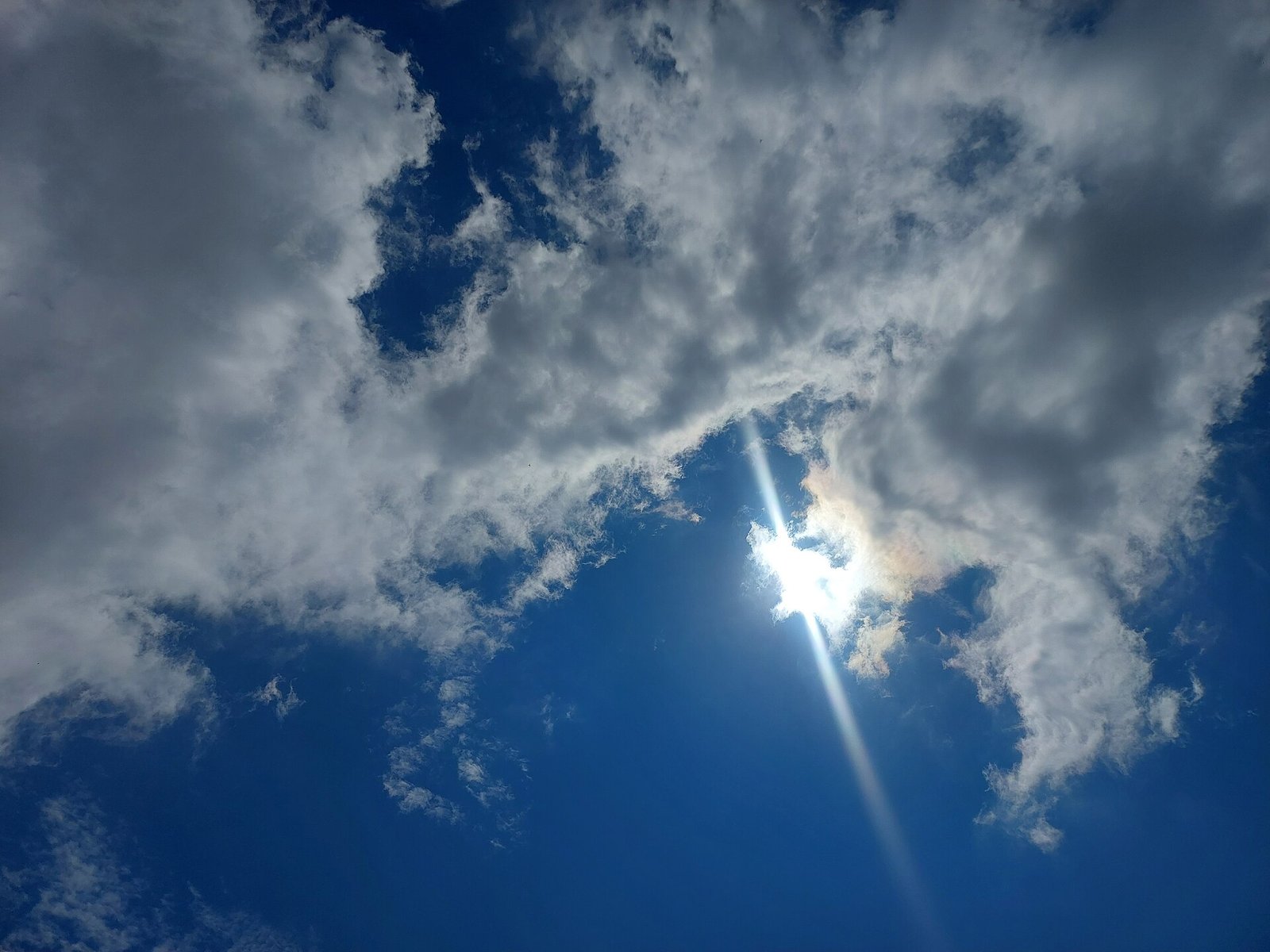
If you are in the Canary Islands right now, you have probably felt it: the sun feels sharper, the heat more intense, and the shade offers a welcome, immediate relief. This is not just a subjective feeling. The regional health authorities have officially declared an extreme risk from ultraviolet radiation for the majority of the archipelago, a warning that remains in force until 3 August. It is not a cause for alarm, but a very clear call to action to rethink how we spend our days outdoors.
The warning, issued by the General Directorate of Public Health, is based on the official UV index predictions from Spain’s state meteorological agency, AEMET. It is part of a specific surveillance and prevention plan designed for precisely these moments. The message is simple: the sun is exceptionally strong right now, and unprotected skin can burn in a matter of minutes. The good news is that with a few sensible adjustments, you can still enjoy everything the islands have to offer without putting your health at risk.
What "Extreme Risk" Actually Means
The UV index is an international standard measurement that tells us the intensity of ultraviolet radiation reaching the earth's surface. It runs on a scale from 0 to 11 or more. A level of 0 to 2 is considered low, 3 to 5 is moderate, 6 to 7 is high, and 8 to 10 is very high. The top category, 11 and above, is classified as extreme. This is the level that has been forecast for numerous municipalities across the Canary Islands during this episode.
In practical terms, an extreme UV index means that fair, unprotected skin can suffer sunburn in less than 20 to 30 minutes during the central hours of the day. The warning covers almost the entirety of Gran Canaria, Lanzarote, La Graciosa, Fuerteventura, El Hierro, and La Gomera. On the islands of Tenerife and La Palma, the situation is a mosaic of very high and extreme risk levels, depending on the specific municipality. This episode is further intensified by a concurrent heatwave, with AEMET forecasting maximum temperatures of around 37 to 38 ºC in some areas.
Why the Sun Feels So Fierce Right Now
The Canary Islands always enjoy high levels of solar radiation due to their latitude, which is closer to the equator than mainland Europe. However, several factors are combining to make this particular period especially intense. The summer sun is at its highest point in the sky, meaning its rays travel through a thinner layer of atmosphere, arriving with greater force. The current anticyclonic weather pattern is bringing very warm, dry air and mostly clear skies, which allows maximum radiation to reach the ground.
On top of this, the presence of calima—a hot, dust-laden wind from the Sahara—can worsen the overall feeling of heat and discomfort, even if the dust particles sometimes slightly filter the radiation. The environment itself also plays a role. Both the sea surface and pale sand act like mirrors, reflecting ultraviolet radiation and increasing your total exposure, especially on the beach. This is why the health authority’s reminder is so crucial: sun protection in the Canary Islands is not just a summer accessory, but a year-round necessity.
Practical Protection: A No-Nonsense Guide
Protecting yourself effectively is not complicated, but it does require consistency. The most impactful step is to rethink your schedule. The authorities recommend avoiding direct sun exposure during the peak intensity hours. As a practical rule of thumb for these extreme days, try to limit your direct time in the sun between roughly 12:00 and 17:00. This is the perfect window for a long, leisurely lunch in the shade, a siesta, or exploring a museum or indoor market. Plan your beach trips, hikes, and sports for the early morning or late afternoon.
When you are out, sunscreen is your best friend, but it must be used correctly. Choose a broad-spectrum product that protects against both UVA and UVB rays. For daily life, an SPF of 30 is a good minimum, but for a beach day or a long walk, SPF 50 or 50+ is what you need. Apply it generously—about a teaspoon per body part and half a teaspoon for your face—at least 20 to 30 minutes before going outside. Reapply every two hours, and always immediately after swimming, sweating heavily, or towel-drying. Don’t forget the easily missed spots: ears, the back of the neck, the tops of your feet, and your hands.
Beyond Sunscreen: The Full Protection Kit
Think of sun protection as a package deal. Clothing is your first line of defence. Loose-fitting garments that cover your arms and legs are ideal, and darker colours generally offer better protection than white fabrics. A wide-brimmed hat is a game-changer, shielding your face, ears, and neck. Your eyes need protection too. The intense UV can cause immediate irritation and contribute to long-term damage, so invest in a good pair of sunglasses with certified UV filters. The health authority recommends category 3 or 4 lenses for these conditions.
Staying safe also means staying hydrated. Drink water regularly throughout the day, even if you do not feel intensely thirsty. Try to avoid relying on very sugary or alcoholic drinks as your main source of fluids, as they can contribute to dehydration. Be alert to the signs of heat exhaustion, such as dizziness, weakness, nausea, or confusion. If you or someone with you experiences these symptoms after being in the sun, move to a cool, shaded place immediately and seek medical advice if there is no rapid improvement.
Common questions
- Can I still go to the beach during the warning?
- Absolutely. The key is to go early in the morning or late in the afternoon, and to avoid the peak sun hours between roughly 12:00 and 17:00.
- What SPF is really necessary for children?
- For children, a water-resistant SPF 50+ is essential. However, the primary protection for kids, especially those under three, should be shade, clothing, and hats, not just sunscreen.
- Is the UV risk lower when it's cloudy?
- Not necessarily. A thin layer of cloud can sometimes even increase UV radiation through scattering. You can still burn on an overcast day, so don’t skip the protection.
- How do I know if my sunglasses offer enough protection?
- Look for the CE mark and a label indicating a filter category of 3 or 4. These are designed for high and extreme sun conditions and will properly protect your eyes.
- Does this warning only apply to tourists with fair skin?
- No. While people with lighter skin are at higher risk of burning, UV radiation damages all skin types and eyes. Everyone should take precautions.
Read on
- Canaries: 211,400 homes empty as new rental scheme opensCanary Islands · 28 October
- Canary Islands doctors' strike extended to 10 NovemberCanary Islands · 28 October
- Canary Islands 16–18 October: fiestas, concerts, partiesCanary Islands · 16 October
- Canary Islands: strong calima to Wednesday, 30C in southCanary Islands · 26 October
- Canary Islands: Sunday power price falls just 1.82%Canary Islands · 25 October
- All events on the Canary Islands →
This information is for general guidance only and does not replace individual advice from a healthcare professional. Status as of 31 July 2026.