SCS earmarks nearly nine million euros for the Canaries' health centres
The Servicio Canario de la Salud (SCS) has presented a package of 69 initiatives worth 8,951,453 euros to reinforce and modernise primary care across the archipelago. The aim, the body says, is to make the islands' health centres more accessible, more capable of resolving cases and closer to residents.
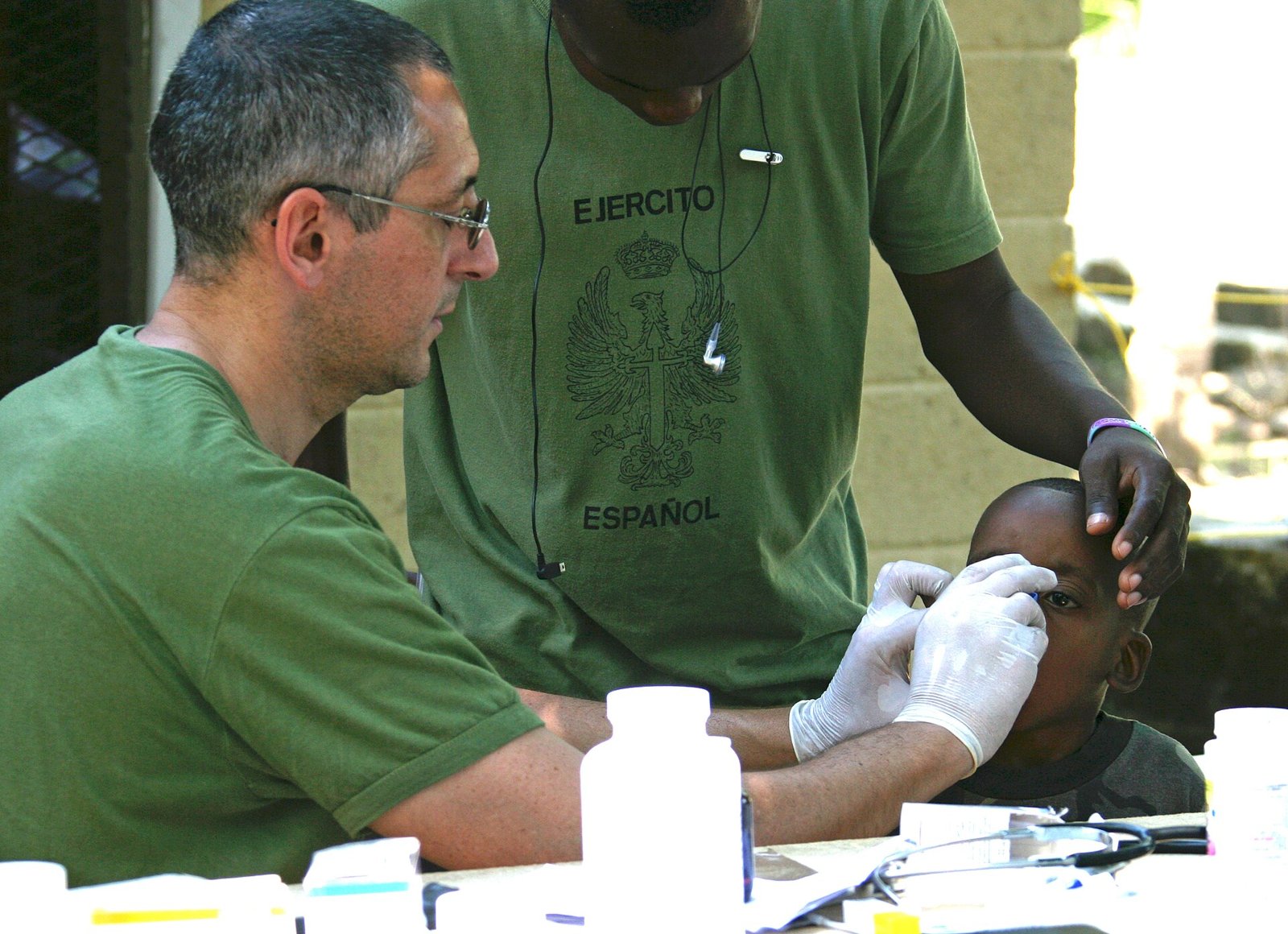
Photo: Cpl. Theodore Ritchie, Public domain (Symbolbild).
The measures will be funded through the Ministry of Health's Marco Estratégico de Atención Primaria y Comunitaria 2026 and are scheduled to be carried out during 2026 and 2027, in line with the funding streams approved by the Interterritorial Council of the National Health System.
What has been announced
The SCS puts the number of actions in the plan at 69. Of the total budget, 4,523,056 euros go to investment in equipment and 4,428,397 euros fund 67 initiatives that are clinical, training-related, organisational and community-based in nature, according to figures released by the Consejería de Sanidad.
The package aims, in the service's own words, to "modernise primary care, increase its diagnostic and problem-solving capacity, reduce administrative burdens, strengthen the role of nursing, improve the monitoring of chronic diseases and expand home, community and social-health care".
A bigger role for nursing
The most prominent measure is the expansion of the Atención Compartida de la Demanda (shared demand care) model, funded with 2,180,928 euros. It allows nursing professionals to handle and resolve acute, low-complexity cases according to established clinical protocols, in order to improve the response to walk-in demand and avoid unnecessary referrals to family medicine.
The pilot projects will run on Gran Canaria, Fuerteventura, Lanzarote, Tenerife, La Palma and El Hierro, and will initially operate in the Basic Health Zones of Ingenio, Agüimes, La Oliva, Península de Jandía, Tinajo, Candelaria, Tacoronte, Las Breñas, El Paso, La Frontera and Valverde. The plan also includes specific training for nursing and administrative staff.
Equipment and diabetes control
The largest single item, 4,523,056 euros, goes to equipment to boost the centres' diagnostic capacity, in line with the push for tools such as clinical ultrasound in primary care.
Among the care programmes, GlucAP Canarias stands out, funded with 815,287 euros, to improve metabolic control in people with type 2 diabetes on intensive insulin therapy. It provides for the purchase of 17,586 glucose-monitoring sensors, along with training, therapeutic education and structured clinical follow-up, with the goal that all seven Health Areas (Áreas de Salud) have a working access circuit to the programme.
Older people, loneliness and care at home
The plan reinforces care for older, chronically ill or vulnerable people. Some 400,000 euros are set aside for a pilot programme to prevent, detect and address unwanted loneliness from primary care, and 170,000 euros for a home-support project focused on treatment adherence, medication review and the detection of social needs.
It will also fund programmes for continuity of care after discharge from emergency departments, telephone support, coordination with social-health centres and advance care planning. On La Palma, a project for emotional strengthening and mental health will be launched to address the effects the volcanic emergency and the pandemic have had on primary care staff.
Why it matters
The SCS frames the measures around the system's major challenges: an ageing population, chronic illness, mental health needs and new models of care. The service also stresses the goal of guaranteeing territorial equity between the islands.
Primary care is the gateway to the health system and its level closest to the public. Strengthening health centres — with more equipment, a greater role for nursing and programmes for chronic patients and older people — is meant to ease pressure on clinics and emergency rooms and bring the response closer to home and neighbourhood.
Primary care is your first point of contact with the health system: your health centre can resolve many issues without a trip to the emergency room.
Under the new model, in the pilot zones nursing staff will be able to handle and resolve acute, low-complexity cases without an appointment, according to the SCS.
These are measures planned for 2026 and 2027, and several projects start as pilots in specific zones rather than in every centre at once.
The figures come from the SCS; the rollout will depend on the funding streams approved by the Interterritorial Council of the National Health System.
Key facts
- 8,951,453 euros for 69 actions to reinforce and modernise primary care (SCS, August 2026).
- Split: 4,523,056 € for equipment and 4,428,397 € for 67 clinical, training, organisational and community initiatives.
- Atención Compartida de la Demanda: 2,180,928 €, with pilots on Gran Canaria, Fuerteventura, Lanzarote, Tenerife, La Palma and El Hierro.
- GlucAP Canarias: 815,287 € and 17,586 glucose sensors for type 2 diabetes, with a circuit across all seven Health Areas.
- Unwanted loneliness: 400,000 €; home support: 170,000 €.
- Delivery planned for 2026 and 2027, funded through the Ministry of Health's Marco Estratégico de Atención Primaria y Comunitaria.
FAQ
- How much is the SCS spending, and on what?
- 8,951,453 euros on 69 actions to reinforce and modernise health centres, split between equipment and clinical, training, organisational and community initiatives.
- Where does the funding come from?
- From the Ministry of Health's Marco Estratégico de Atención Primaria y Comunitaria 2026, in line with the streams approved by the Interterritorial Council of the National Health System.
- What is the Atención Compartida de la Demanda?
- A model funded with 2,180,928 € in which nursing staff handle and resolve acute, low-complexity cases according to clinical protocols, without an appointment.
- Which islands benefit?
- The shared-demand pilots run on the six islands named; GlucAP plans a circuit across all seven Health Areas, meaning the whole archipelago.
- When will it be felt?
- The measures are planned for 2026 and 2027; some start as pilots in specific zones before being extended.
Read on
- CaixaBank grants 969 million euros to Canary firmsCanary Islands · 24 August
- Lanzarote's tourist accommodation takes 607 million euros to JulyLanzarote · 31 August
- JSV Commits €100 Million to the Canaries: New Las Palmas Subsidiary and Its Own ShipsGran Canaria · 11 August
- Canary Islands holiday lets: deadline now 31 December 2027Canary Islands · 10 November
- Canaries general strike 11N: rent €1,211, buses unclearCanary Islands · 9 November
- All events on the Canary Islands →