Lanzarote's tourist accommodation takes 607 million euros to July
Lanzarote's tourist accommodation businesses booked direct revenue of almost 607.1 million euros between January and July 2026, up from 566.2 million euros in the same seven months of 2025 — a rise of roughly seven per cent. The figures come from analyses by the Cabildo de Lanzarote's Centro de Datos, drawing on data from the Canary statistics institute Istac, reported by the newspaper Canarias7 on 26 August.
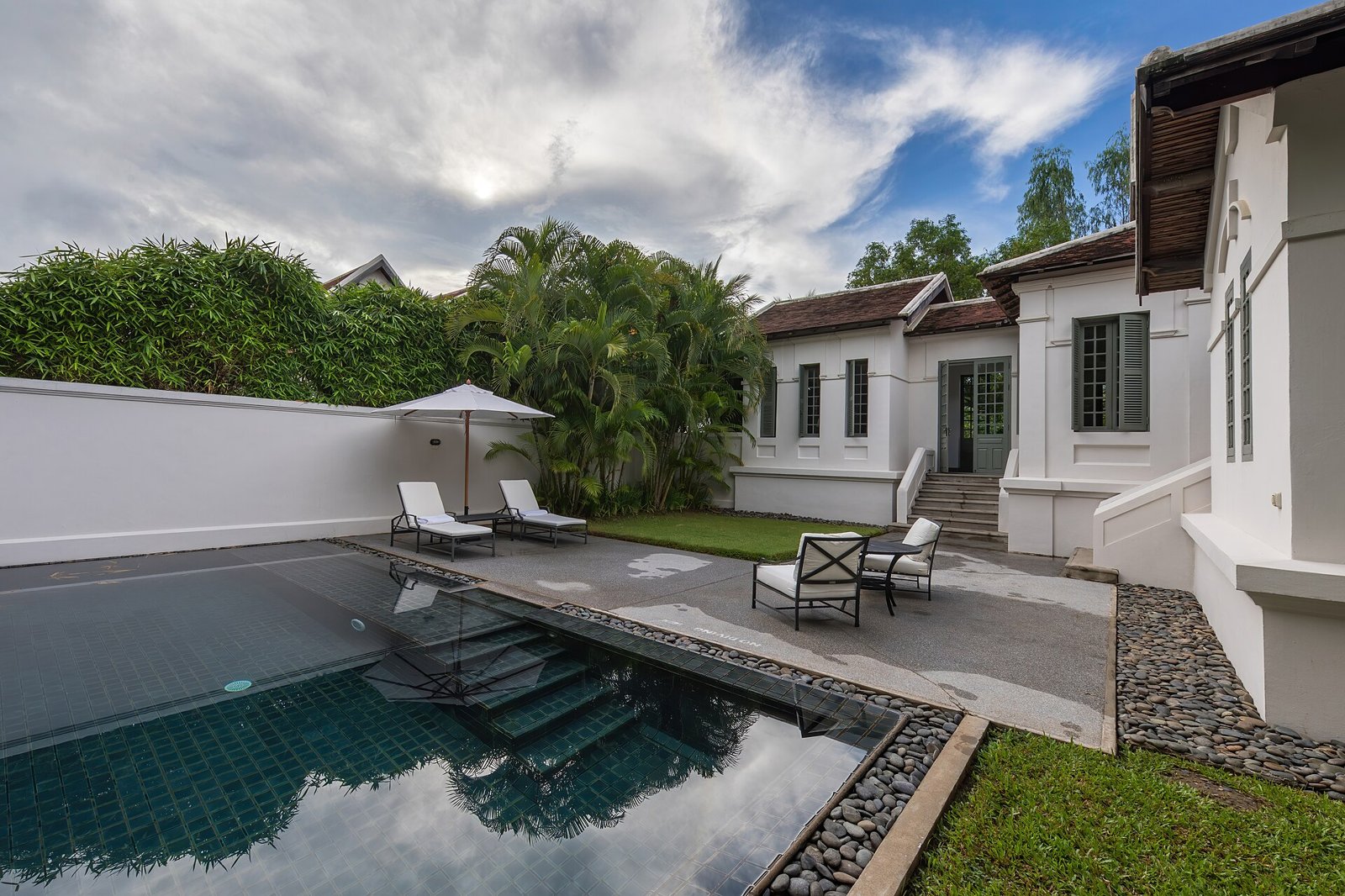
Photo: Basile Morin, CC BY-SA 4.0 (Symbolbild).
What makes the number interesting is not its size but its composition. According to the same analyses, the number of nights sold barely moved against last year. Almost all of the extra revenue therefore comes from higher prices rather than from more guests — a pattern now visible across the whole archipelago.
What the 607.1 million actually measures
The figure covers only the direct revenue of licensed accommodation businesses — what hotels and extra-hotel operations (apartment complexes, bungalow resorts and similar) take in themselves. According to Canarias7 it captures the more than 190 hotel and extra-hotel complexes that were trading with some regularity on Lanzarote; the reports put their capacity at almost 64,300 bed places.
The period runs across seven months, from January to the end of July 2026. It excludes what visitors spend away from their accommodation: restaurants, retail, car hire, excursions, attractions. In other words, it is one slice of the tourism economy, not its total volume.
Not to be confused with the 2.084 billion
In mid-August a much larger Lanzarote figure was in circulation: around around 2.08 billion euros. That one refers to the so-called movilización turística — the total economic volume tourism sets in motion on the island, essentially all visitor spending, well beyond accommodation. It also covers only the first half of the year, January to June.
The 607.1 million is the narrower measure: one month longer, but a single sector. Both rest on Istac data, yet they count different things and cannot be set against each other. The press reports do not reproduce a full methodological description of either indicator, so the exact boundaries of the wider figure should be treated with care.
Hotels carry most of the weight
Of the almost 607.1 million euros, the analyses attribute 480.5 million to hotels and 126.6 million to the extra-hotel segment. Hotels account for about two-thirds of the overnight stays but around four-fifths of the revenue — a sign that yield per night is markedly higher in hotels than in apartment complexes.
Across January to July the establishments recorded just over 1.72 million guests. The average stay ran to more than a week, the report notes, as it did the previous year. Here too the picture is one of continuity rather than change.
Rates, not volume, are doing the work
Overnight stays for January to July added up to around 10.3 million, which the analyses describe as almost identical to the same stretch of 2025; no substantial variation is recorded. At the same time the average daily rate per occupied room climbed above 130 euros, noticeably higher than the level common in 2025.
The arithmetic follows: the roughly 41 million euros of additional revenue is essentially a price effect. On occupancy Lanzarote leads the archipelago — Istac data for July put the island at 80.92 per cent of bed places and 82.92 per cent of rooms occupied, against a Canary average of 78.6 per cent.
The wider Canary picture
Lanzarote is tracking a trend that shapes the whole region. In July 2026 Canary hotels and apartments billed 507 million euros, 5.8 per cent more than in July 2025, while overnight stays slipped 0.3 per cent to around 8.9 million. The average rate per occupied room stood at 131.9 euros.
For comparison, accommodation businesses on Fuerteventura took close to 495 million euros between January and July. Employment held up strongly through the summer: the Canary tourism sector reported a record 236,330 people registered with social security in July. Whether the pricing momentum carries into the winter season remains an open question.
To follow the trend properly, watch three figures together — revenue, overnight stays and average rate. Only in combination do they show whether growth is coming from more guests or from higher prices.
Rising revenue on flat overnight stays is also not automatic: it depends on operators holding their prices, and therefore on spending power in the source markets.
Key figures
- Almost 607.1 million euros in direct revenue for Lanzarote's accommodation businesses, January–July 2026 (Cabildo's Centro de Datos using Istac values, via Canarias7)
- Same period of 2025: 566.2 million euros — an increase of roughly 7 per cent
- Split: 480.5 million euros hotels, 126.6 million euros extra-hotel establishments
- More than 190 complexes with almost 64,300 bed places; just over 1.72 million guests, average stay above one week
- Around 10.3 million overnight stays — described as almost unchanged on 2025; average daily rate above 130 euros
- Canary Islands in July 2026: 507 million euros billed (+5.8%), overnight stays −0.3% to around 8.9 million, average rate 131.9 euros (Istac)
FAQ
- What exactly does the 607.1 million euros measure?
- The direct revenue of hotel and extra-hotel establishments on Lanzarote between January and July 2026 — the accommodation business only, not spending in restaurants, shops or on car hire.
- Why does another figure of 2.084 billion exist?
- That is a different indicator: total tourism movilización on Lanzarote in the first half of 2026, meaning overall visitor spending. It covers more sectors but a shorter period.
- Is the growth coming from more guests or higher prices?
- Mainly from prices. Overnight stays were around 10.3 million, almost the same as a year earlier, while the average daily rate rose above 130 euros.
- How full were Lanzarote's establishments?
- In July 2026, according to Istac, 80.92 per cent of bed places and 82.92 per cent of rooms were occupied — the highest in the archipelago, where the average was 78.6 per cent.
- Who compiles the data?
- The values come from the Canary statistics institute Istac and were processed by the Cabildo de Lanzarote's Centro de Datos; Canarias7 reported on them on 26 August 2026.
Read on
- Lanzarote: Ocean Lava Triathlon 24 October in Puerto del CarmenLanzarote · 15 October
- Lanzarote: MHT drag dinner show in Puerto del Carmen, €49Lanzarote · 15 October
- CaixaBank grants 969 million euros to Canary firmsCanary Islands · 24 August
- SCS earmarks nearly nine million euros for the Canaries' health centresCanary Islands · 11 August
- Lanzarote: Arrecife Marea Fest on 17 October, free entryLanzarote · 15 October
- All events on Lanzarote →