JSV Commits €100 Million to the Canaries: New Las Palmas Subsidiary and Its Own Ships
The logistics and shipping group JSV is deepening its long-standing ties to the Canary Islands with an investment that Atlántico Hoy puts at around €100 million, a new island subsidiary in Las Palmas de Gran Canaria and its own vessels serving the archipelago.
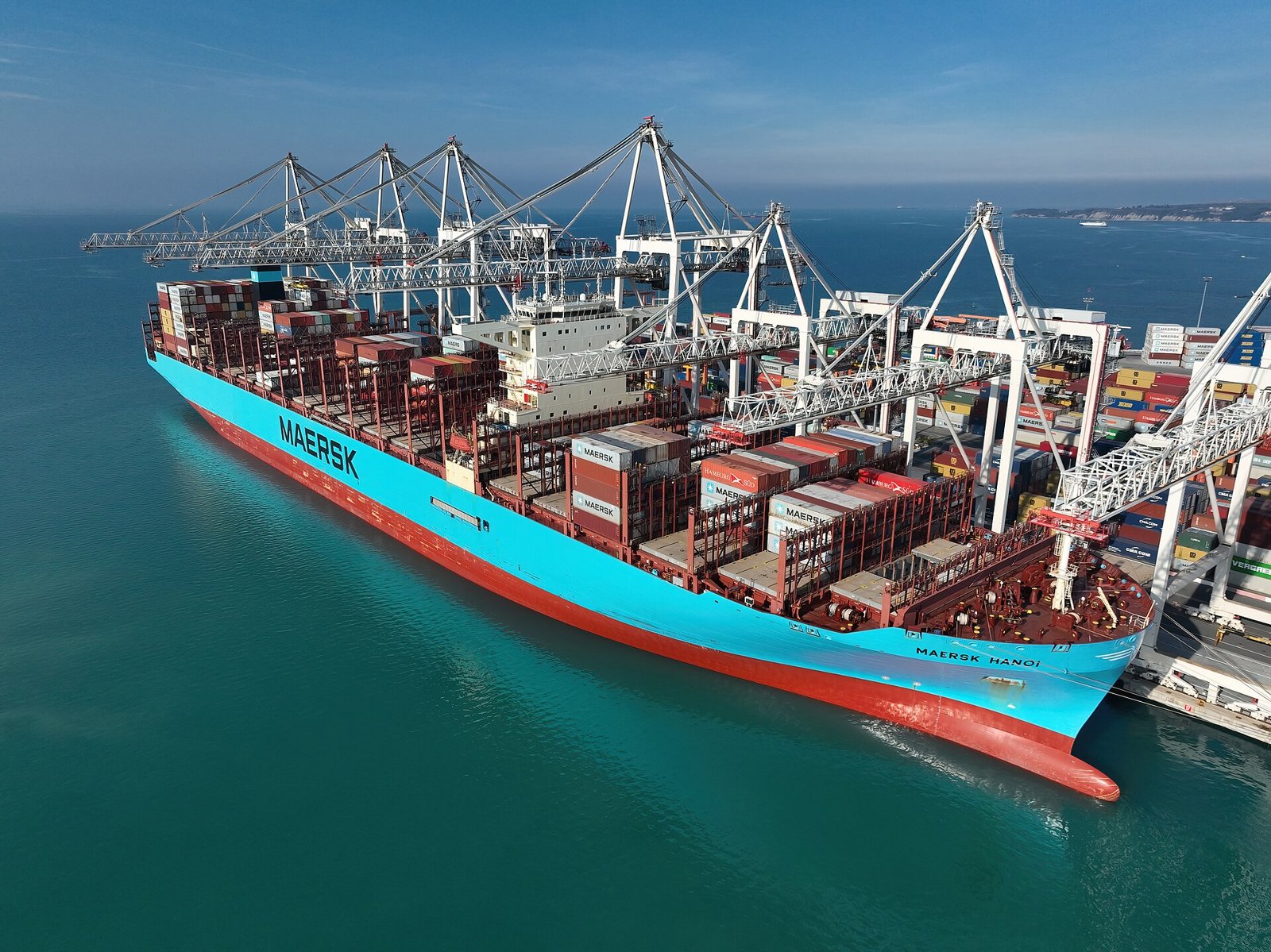
Photo: Petar Milošević, CC BY-SA 4.0 (Symbolbild).
Structured alongside the fund Nazca Capital, the move reinforces the direct line between mainland Spain and the islands and coincides with a pick-up in activity at the Port of La Luz.
Who JSV is
JSV is a Spanish logistics and maritime transport group specialising in container traffic on the corridor between the mainland and the Canaries, controlled by the Herzog family. According to Atlántico Hoy, the company — historically linked to the Tamarán shipping line — has supplied the islands for decades. Following the integration of Road Sea Group, sisters Sonia and Verónica Herzog lead the group.
An investment of about €100 million
Atlántico Hoy puts the group's total commitment to the Canaries at roughly €100 million. Of that, the new subsidiary Green Sea Canarias — together with Nazca Capital — contributes around €70 million to acquire two eco-friendly container ships, according to Canary Maritime. The money goes toward an owned fleet and reinforcing the express line to the archipelago; the company has not publicly disclosed associated employment figures.
Green Sea Canarias, the Las Palmas subsidiary
The new company, Green Sea Canarias, is headquartered in Las Palmas de Gran Canaria, with the corporate purpose of commercially operating merchant vessels, whether owned or chartered. It is created with Nazca Capital, through its Nazca Opportunities vehicle, which takes a stake in the group. The subsidiary anchors the operation of the new ships in the Gran Canaria port.
Three own vessels from the "Green" range
The first is the MilaGreen, costing €38 million according to Canary Maritime, already in service and built to run on methanol once supply infrastructure is available; its design aims to cut fuel consumption substantially. It will be followed by the MirandaGreen, expected in late 2026, and the GreenCanarias, previously chartered and now owned. The sources consulted put the capacity of the new container ships at around 1,000 TEU each.
The dockers and the Baleària effect
At the Port of Las Palmas, the stevedores (la estiba) have welcomed the new ships. Their president, Maximiliano Díaz, has stressed that the alliance between Romeu and JSV brings modern vessels and more containers, tying job stability to that commitment. The workforce is reinforcing shifts for the summer season and to handle Baleària's new service and ro-ro traffic; according to Canarias7, the stevedores plan to hire around 150 dockers, citing their confidence in operators such as MSC.
Exporters and importers should watch the scheduled entry of the MirandaGreen in late 2026.
Key facts
- Total investment committed to the Canaries: ~€100 million (Atlántico Hoy).
- Green Sea Canarias subsidiary, based in Las Palmas, structured with Nazca Capital: ~€70 million for two ships (Canary Maritime).
- MilaGreen: €38 million, first owned vessel, already in service (Canary Maritime).
- Ships from the "Green" range, methanol-ready; capacity around 1,000 TEU each (industry sources).
- The Las Palmas stevedores plan to hire about 150 dockers and are reinforcing shifts for Baleària's service (Canarias7 / Atlántico Hoy).
FAQ
- How much is JSV investing in the Canaries?
- Atlántico Hoy puts the commitment at around €100 million; the Green Sea Canarias subsidiary contributes about €70 million for two ships, according to Canary Maritime.
- What is Green Sea Canarias?
- JSV's new subsidiary, based in Las Palmas de Gran Canaria, created with Nazca Capital to operate merchant vessels.
- How many own ships is it adding, and what are they called?
- Three: MilaGreen (already in service), MirandaGreen (expected late 2026) and GreenCanarias, all from the eco "Green" range.
- What does this have to do with Baleària?
- The Las Palmas stevedores are reinforcing shifts to handle Baleària's new service and ro-ro traffic, coinciding with the arrival of the JSV ships.
- Does the investment create jobs?
- JSV has not published direct-employment figures; separately, the port's stevedores plan to hire around 150 dockers (Canarias7).
Read on
- Las Palmas Port Gets Green Light for €45.3 Million New Cargo DockGran Canaria · 29 July
- Lanzarote: no trace of the €90 million promised for waterLanzarote · 13 August
- €108 Million in State Aid for Canary Businesses: Tourism and a Tobacco Factory LeadCanary Islands · 13 August
- Gran Canaria strike 11 Nov: march 18:00, buses unconfirmedGran Canaria · 10 November
- Gran Canaria petrol from €1.345 a litre in IngenioGran Canaria · 10 November
- All events on Gran Canaria →