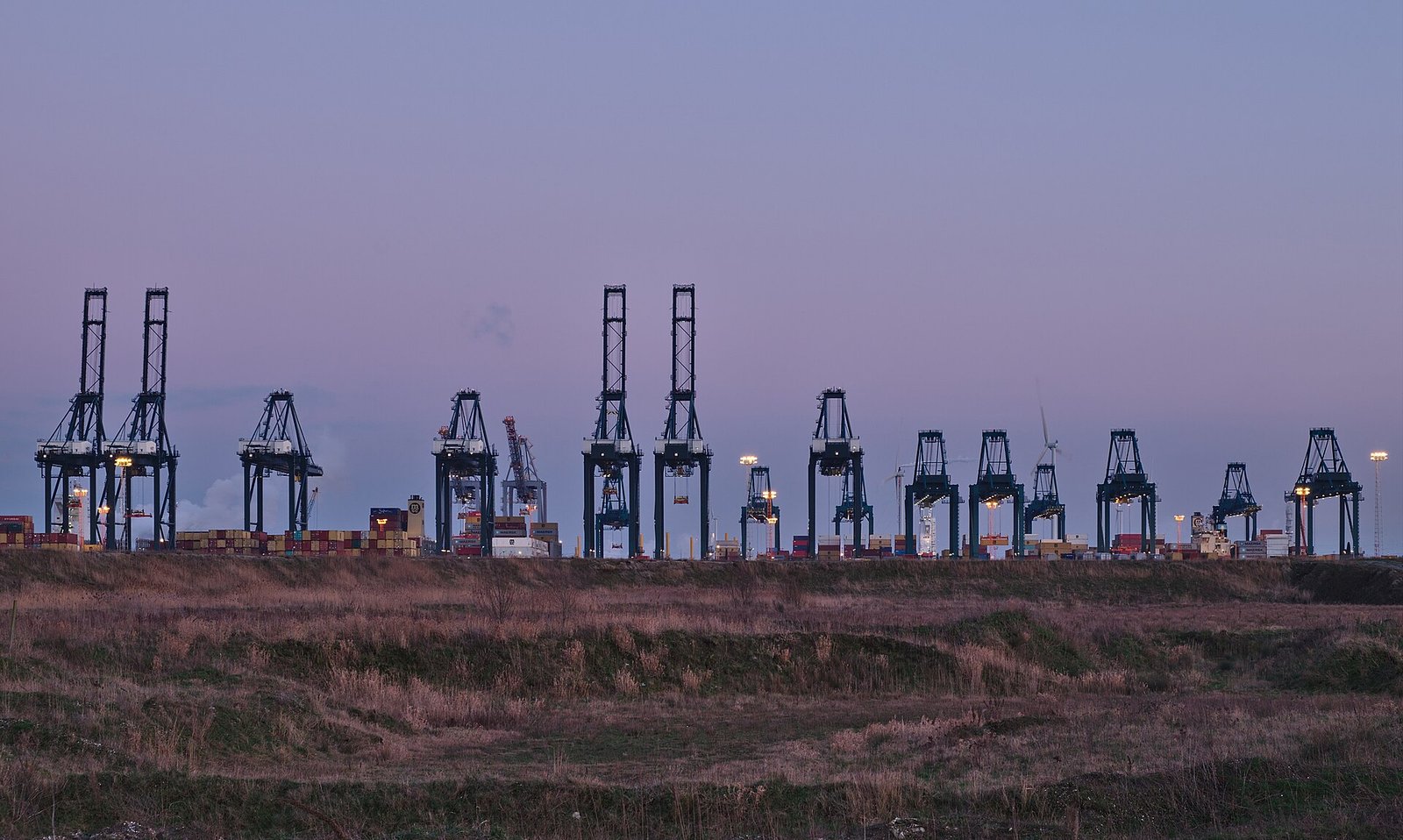
If you have spent any time in Las Palmas de Gran Canaria, you will know the port is the city's beating heart. It is not just a pretty backdrop for a seaside stroll; it is an economic engine that powers the whole island. Now, that engine is getting a significant upgrade. The Spanish Council of Ministers has given the go-ahead to tender the construction of a brand-new dock, with an estimated price tag of €45.3 million.
This is not just another stretch of concrete. The new structure, officially called the "muelle adosado al dique Reina Sofía Sur," is a strategic move designed to keep the Canary Islands competitive in the global logistics game. It is a clear signal that the port is serious about its future as a hub for cargo, industry, and the blue economy, right in the middle of the Atlantic.
Where exactly is the new dock going?
The project will extend the existing southern breakwater, known as the Dique Reina Sofía Sur. Think of it as adding a new wing to an already busy industrial area. The new dock will run parallel to the existing one but will be set back by about 100 metres. This clever design keeps the current ship-scrapping slipway operational while creating a whole new working space.
When it is finished, the dock will boast a new berthing line of roughly 336.5 metres. That is longer than three football pitches laid end-to-end. With a deep draft of 20 metres, it can comfortably accommodate some of the larger vessels that ply the world's oceans. Behind the quay, a vast new industrial apron of around 16,000 square metres will provide ample space for handling cargo, equipment, and machinery. This is not a project for cruise ships or ferries; it is a serious piece of industrial infrastructure.
What will the new dock actually be used for?
The official word is that the dock is "destinado principalmente a mercancía general" – mainly for general cargo. But the plans go deeper than just boxes and pallets. The port authority's project description points to a dedicated terminal for the repair and maintenance of offshore platforms and offshore wind structures. This is a fascinating detail that shows the Canary Islands are positioning themselves at the heart of the renewable energy transition.
This dual-purpose design is a smart play. It means the dock can handle a wide range of activities, from project cargo for the islands themselves to servicing the growing fleet of installations off the West African coast. It adds a layer of resilience and flexibility to the port's offering, making it an even more attractive stop for international operators.
Why this matters for the Canarian economy
To understand why a new dock is such big news, you have to appreciate the sheer scale of the Port of La Luz. It is not an exaggeration to call it the economic heart of Gran Canaria. Studies from the University of Las Palmas de Gran Canaria show the port's total economic impact is staggering. We are talking about a total production value of over €1.5 billion annually, which represents nearly 3% of the entire Canary Islands' economy.
In terms of jobs, the port is a lifeline. It directly supports around 4,600 jobs, with wages contributing over €170 million to the local economy. When you factor in indirect and induced effects, the port's activity sustains an estimated 9,500 jobs across the archipelago. Every new euro of demand for port services generates €1.80 in output for the Canarian economy. A €45.3 million investment in this ecosystem is not just about building a dock; it is about reinforcing a cornerstone of regional prosperity.
A hub for energy, logistics, and the future
The new Reina Sofía Sur dock does not exist in a vacuum. It is part of a much larger, coordinated plan to solidify Las Palmas as the "gasolinera del Atlántico medio"—the mid-Atlantic's fuel station. The port is already a strategic bunkering hub, supplying fuel to vessels crossing between Europe, Africa, and the Americas. Massive fuel terminals are being expanded, and other new docks, like the Nelson Mandela extension, are being built specifically to handle giant tankers.
This new dock complements that strategy perfectly. By adding more berthing space and a large industrial yard, it increases the port's overall capacity to handle transit cargo, support the offshore energy sector, and service the maritime traffic that is the lifeblood of global trade. It is a piece of a puzzle that, when complete, will make the Port of La Luz an even more indispensable node on the world map.
Common questions
- Is this the same as the new cruise terminal?
- No, the new cruise terminal at Muelle de Santa Catalina is a separate, already-completed project. This new dock is for industrial and cargo use.
- Will this create new jobs?
- While no specific job numbers for this dock have been released, a project of this scale will create significant construction work and, later, permanent operational jobs in logistics and maritime services.
- Why did the budget increase from earlier estimates?
- Earlier technical documents mentioned a budget of around €30 million. The newly authorised €45.3 million likely reflects updated cost estimates, but the exact reason has not been publicly detailed.
- What is a "muelle adosado"?
- It simply means an "attached dock," built against an existing structure—in this case, the Reina Sofía Sur breakwater.
- Is this the only port expansion happening right now?
- Not at all. The port is in a major growth phase, with other projects underway including the Nelson Mandela dock extension and the planned expansion of the Juan Sebastián Elcano dock.
Read on
- JSV Commits €100 Million to the Canaries: New Las Palmas Subsidiary and Its Own ShipsGran Canaria · 11 August
- New Cinema at El Muelle: Odeon Opens 3,000 m² Complex in Las PalmasGran Canaria · 9 August
- An orchestra in Las Palmas's container port: 15 euros, and the shuttle bus is the only way inGran Canaria · 21 September
- Gáldar: Frontón King 2026 and comedy from 20 eurosGran Canaria · 27 October
- Gran Canaria: Vueling bomb threat proved falseGran Canaria · 27 October
- All events on Gran Canaria →
Stand: 29 July 2026. This article is based on official government authorisations and port authority planning documents. Exact construction timelines are not yet confirmed.