Lanzarote: no trace of the €90 million promised for water
In August 2023 the Cabildo de Lanzarote unveiled an emergency plan for the island's water supply worth around €90 million. Almost three years on, the local newspaper Diario de Lanzarote reports that there is barely any trace of the money: most of the announced work on the ageing network and the desalination plants, it says, has not been carried out.
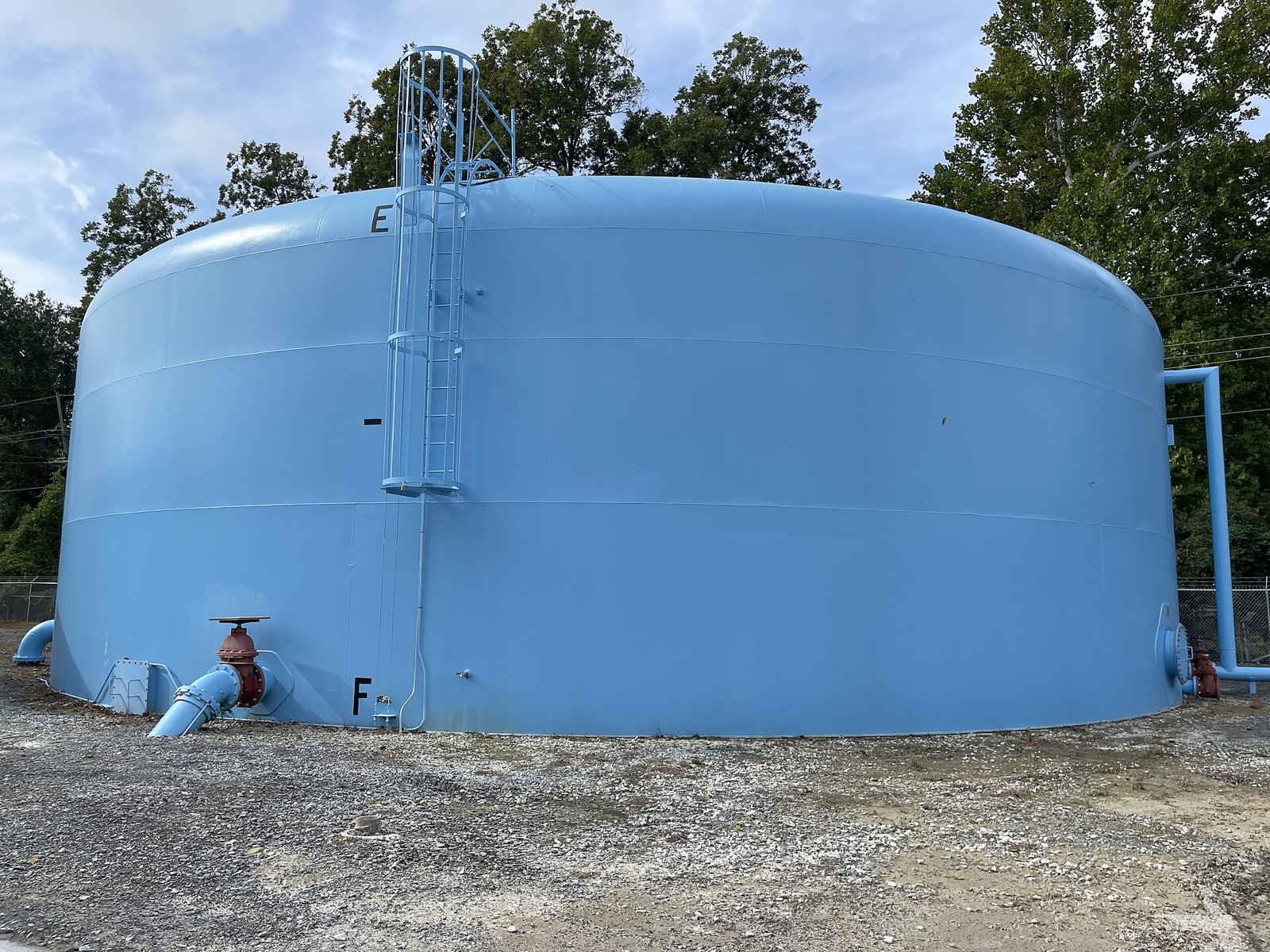
Photo: Ktkvtsh, CC BY 4.0 (Symbolbild).
On an island that draws almost all of its drinking water from seawater desalination, the question carries weight. As the investment stalls, Lanzarote remains under a declared water emergency — and a large share of the water it produces still leaks away in old pipes before reaching homes.
What was promised
According to the Consorcio del Agua de Lanzarote, island president Oswaldo Betancort presented the plan in August 2023 alongside the water operator Canal Gestión Lanzarote. Billed as a "Plan de Actuación de Emergencia", it was budgeted at roughly €90 million and was to run from 2023 to 2027 to end the supply crisis on Lanzarote and the neighbouring island of La Graciosa.
The package bundled together renewal of the ageing distribution network, higher desalination output — including at the Central Díaz Rijo plant — repairs to storage tanks, upgrades to the Arrecife wastewater treatment plant and leak-detection campaigns. The stated aim was to cut network losses that then exceeded 56 percent.
What actually materialised
The tally is sobering, according to reporting by Diario de Lanzarote (by Saúl García, 18 May 2026): some two and a half years after the announcement, less than five percent of the plan has been executed. Only about €2 million of new, functioning network is actually in service, the paper says.
Instead of the publicly cited target of roughly 100 kilometres of renewed network a year, only around ten kilometres are being achieved. Production is up about 12 percent against a 20 percent goal, desalination membranes that were purchased have not been installed, and roughly two-thirds of the network is more than 40 years old. Losses, the report adds, remain around 56 percent.
How officials have responded
The Cabildo frames the plan as an ongoing emergency response. According to Diario de Lanzarote, Betancort said in late 2024 that "more than 50 percent" of the €90 million had already been invested — a figure at odds with the execution rate the paper documents.
Socialist opposition leader Dolores Corujo criticised "precipitous announcements, reversals and a lack of rigour". The Consorcio del Agua, for its part, validated a technical report on Canal Gestión's underinvestment and moved to act against the concessionaire.
The water service under intervention
The dispute over the missing investment has had concrete consequences. As reported by eldiario.es, the Consorcio del Agua launched a temporary intervention — effectively seizing management of the service — on 1 April 2026, made public on 8 April. In parallel it is pursuing early termination of the contract with Canal Gestión, which was originally due to run until 2043.
The basis is a technical report finding that the company failed to carry out committed investments and missed the contractual target of reducing water losses. In 2025, it states, 17.6 million cubic metres were lost in the network — 55.4 percent of the desalinated water produced.
Why it matters for the island
Lanzarote has, in the words of the Consejo Insular de Aguas, a near-total dependence on desalinated water; the system serves more than 160,000 people. Every litre first won from the sea with energy and then lost through old pipes is a double burden — on the environment and on the public purse.
The council extended the water emergency for a third time, to 4 February 2027, citing the urgent need to speed up investment and modernise the ageing pipes. For consumers, that leaves open for now when supply will noticeably stabilise.
On an island that draws virtually all its drinking water from energy-intensive seawater desalination, every litre saved cuts both cost and energy use.
Reporting burst pipes or visible leaks helps the operator spot network losses sooner.
The "less than five percent" execution rate comes from Diario de Lanzarote's reporting; the Cabildo has previously cited higher levels of investment.
The water emergency and the intervention are live proceedings — deadlines and responsibilities may still change.
Key facts
- About €90m: the emergency water plan presented by the Cabildo in 2023 (Consorcio del Agua de Lanzarote).
- Less than 5% of it executed after roughly two and a half years, according to Diario de Lanzarote.
- Target of about 100 km of network renewal a year; only around 10 km achieved, the paper says.
- In 2025, 17.6 million m³ were lost — 55.4% of desalinated water produced (technical report, eldiario.es).
- Service placed under intervention on 1 April 2026; contract termination with Canal Gestión in preparation.
- Water emergency extended to 4 February 2027; the system serves over 160,000 residents.
FAQ
- What is the €90 million about?
- An emergency water-supply plan the Cabildo de Lanzarote presented in 2023, budgeted at around €90 million for 2023 to 2027.
- What is the accusation?
- Diario de Lanzarote reports that very little of the investment has been carried out: less than five percent after roughly two and a half years.
- What does the other side say?
- According to the paper, Betancort said in late 2024 that "more than 50 percent" of the funds had been invested; the Cabildo presents the plan as an ongoing emergency response.
- What is happening to the operator?
- The Consorcio del Agua has placed the service under intervention and is pursuing early termination of the contract with Canal Gestión.
- Why is this so sensitive for Lanzarote?
- The island depends almost entirely on desalinated water; high network losses mean wasted energy and money.
Read on
- €108 Million in State Aid for Canary Businesses: Tourism and a Tobacco Factory LeadCanary Islands · 13 August
- JSV Commits €100 Million to the Canaries: New Las Palmas Subsidiary and Its Own ShipsGran Canaria · 11 August
- Lanzarote's tourist accommodation takes 607 million euros to JulyLanzarote · 31 August
- Playa Blanca: part of Son Bou hotel to go after 21 yearsLanzarote · 12 November
- Lanzarote: Flas photo festival on 14 November in ArrecifeLanzarote · 11 November
- All events on Lanzarote →