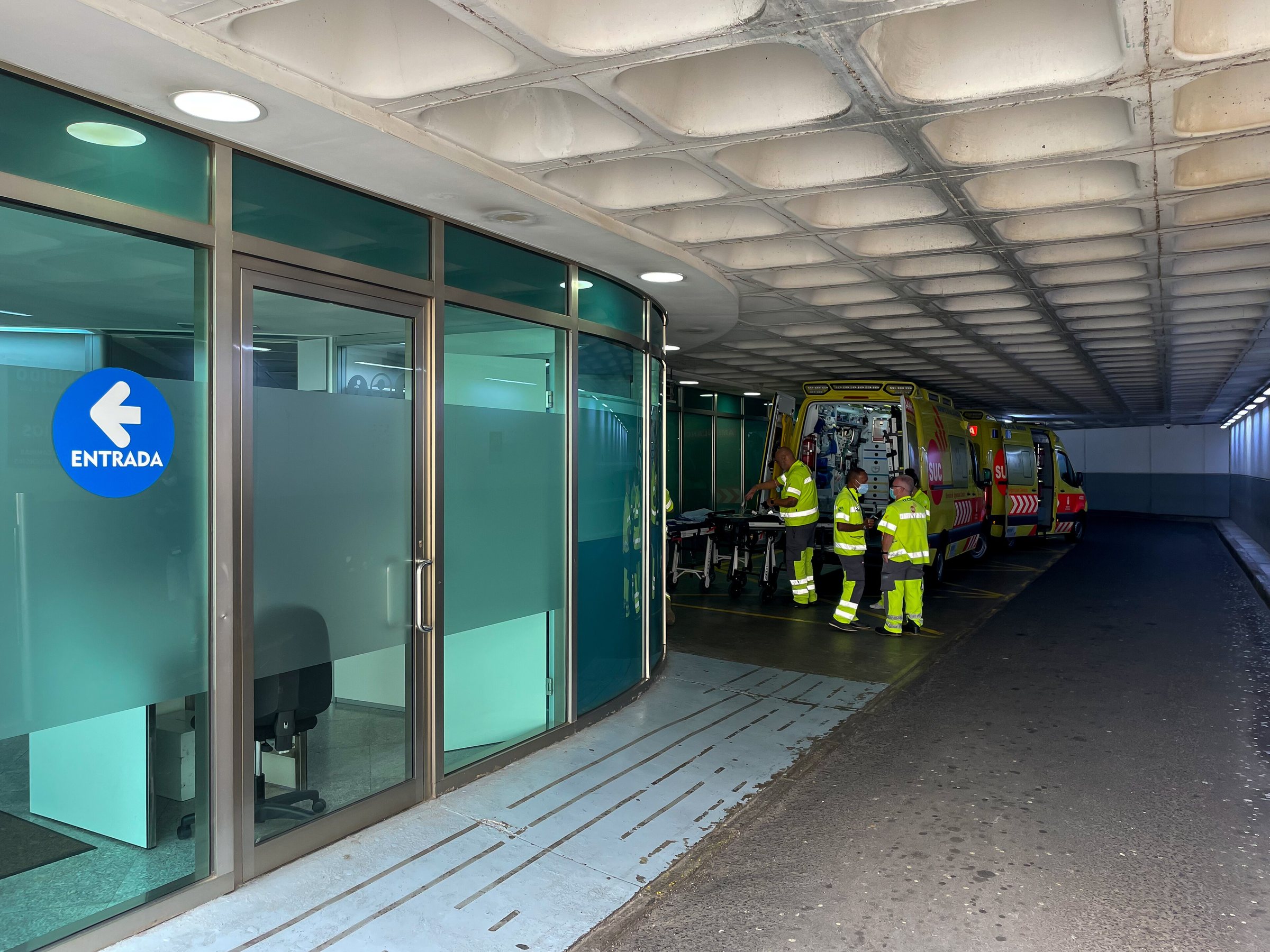
What changes for visitors and residents?
SCS doctors have been on indefinite strike since 16 October 2026, now until at least 17 November. The strike covers GPs (Atención Primaria, primary care) and hospital doctors, the very places where residents and visitors book appointments.
Appointments may be postponed and waits may grow longer at GP surgeries and hospitals. How many appointments have been cancelled since 16 October has not been published.
There are no separate figures for the south of the islands. On 19 October the health ministry put turnout at 18.23% on Gran Canaria, 4.65% on Tenerife and 0.67% on Fuerteventura.
Anyone with an appointment should ask the health centre or hospital beforehand. It is not documented whether patients will be told or must call themselves, and hospitals rebook cancelled appointments.
Emergencies stay covered: on 19 October the SCS deployed 1,392 staff for minimum services. Minimum services for the extension have not been published, but in February 2026 areas such as dialysis, oncology, pharmacy and emergencies were set at 100%.
How many doctors are really taking part?
CESM and SEMCA announced the extension to 17 November in a joint statement. Whether the strike runs daily or only on certain days is not confirmed.
On 19 October, 363 of 3,888 doctors covered took part, or 9.34%, according to the health ministry. The strike passed without notable incidents.
The islands differ widely. Gran Canaria had 270 of 1,481 doctors and Tenerife 86 of 1,848. On Lanzarote 8 of 222 struck (3.6%), on La Palma 4 of 166 (2.41%) and on Fuerteventura 2 of 298.
Turnout has been falling for months. The ministry gave 12.35% for March 2026 and 7.8% for June, and on 23 October the administration counted 318 of 3,892 doctors, or 8.17%.
What are the doctors demanding?
CESM Canarias (Sindicato Médico, the doctors' union) and SEMCA form a joint strike committee. They say they represent up to 8,000 doctors and specialists, while the strike call covers 3,888 doctors according to the ministry.
The unions put forward an 18-point plan in three pillars. It calls for higher pay and standby pay, rest periods after night shifts and more doctors' representation on negotiating bodies.
The demands are worth about 150 million euros a year. The SCS tabled a 14-point offer worth about 50 million euros, which the unions rejected as unclear and inadequate.
As early as June 2026 the SCS offered standby pay about 20% higher, from €23.90 to roughly 27 to 28 euros an hour. It also offered 342 new permanent posts and 795 temporary contracts.
What do the government and the unions say?
Health minister Esther Monzón called the demands illogical and impossible to meet. According to reports, she accused the doctors of wanting to break the system.
Adasat Goya, director of the SCS, said the strikes mistreat the population. The unions counter that they are seeking “the end of the systematic mistreatment of patients”.
The strike committee sent its last proposal on 22 October and says it has had no reply since. Éric Álvarez, president of the Sindicato Médico, spoke of a deadlock at a rally in Las Palmas on 27 October, attended by about 300 doctors and relatives.
The union UGT called off its strike on 24 September after a preliminary agreement with the SCS. Standby shifts are to fall from 24 to 17 hours, but CESM and SEMCA rejected the deal.
What is the health service like without a strike?
The unions cite consultations of often under 10 minutes, sometimes under 7 minutes. By their account, patients wait months for specialist appointments, and over a year in some fields.
According to the Canary government's waiting-list statistics, 34,382 patients were waiting for an operation at the end of June 2026, 7.8% more than a year earlier. The average wait was 107 days, against 121 days nationwide, and in June 2023 it was still 153 days in the Canaries.
In all, 158,358 patients were waiting for a specialist consultation, up from 150,975 a year earlier. The SCS says the strike cut operations carried out by the SCS itself by 3%.
The SCS puts the losses from strikes so far at about 57,000 appointments, about 1,400 postponed operations and 2,900 delayed diagnostic tests. The unions also accuse the SCS of diverting funds to private clinics and of holding only one public recruitment exam (OPE) in 26 years.
What happens after 17 November?
The current extension ends on 17 November 2026. The unions reserve the right to keep striking as long as necessary.
No negotiating date exists, according to the information available. Turnout figures after 23 October and the number of appointments cancelled since 16 October have not been published.
A nationwide dispute is also under way over the framework statute (Estatuto Marco) of the health ministry in Madrid. The Canary budget for 2027 is still before parliament, and regional elections are due in May 2027.