What the study shows
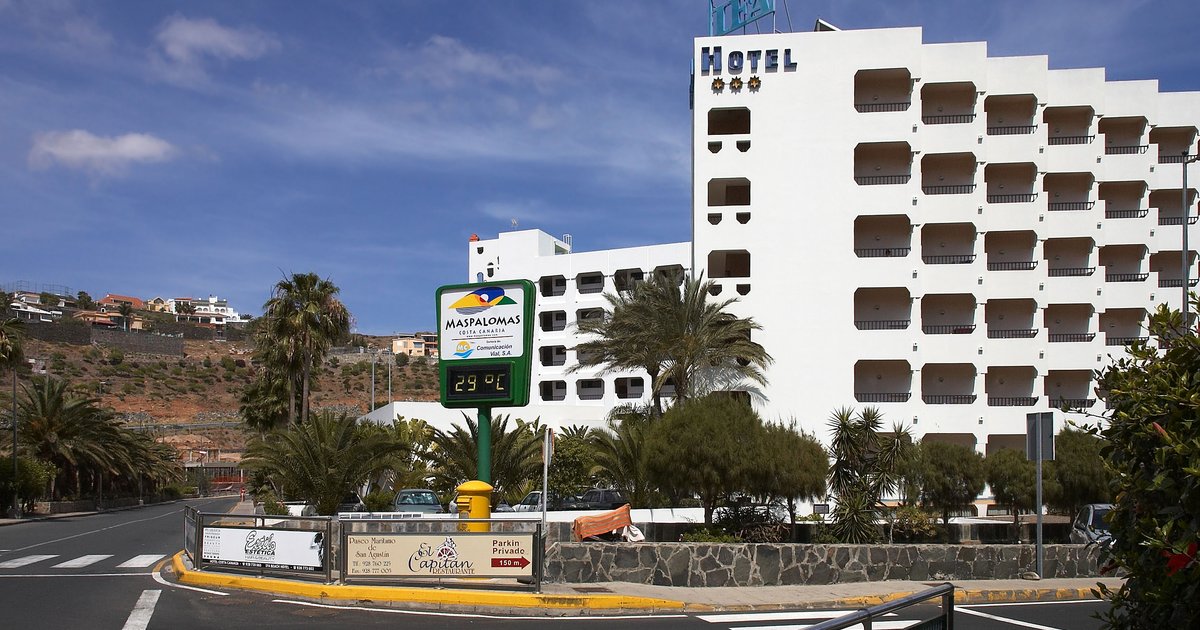
The investigation by the SOS Costas Canarias initiative, run by the Fundación Canarina and presented at the University of La Laguna, arrives at a striking figure: roughly four kilometres of natural coast disappear in the Canaries every year. Four kilometres — that is the stretch of beach between the Maspalomas lighthouse and the Hotel Riu Palace in southern Gran Canaria, replaced annually by concrete, traffic infrastructure or harbour walls.
The methodology combines historical maps, aerial photography from the 1950s onwards and satellite-based analysis from Spain's National Geographic Institute (IGN). Comparable work at the University of Las Palmas shows for the eastern edge of the capital Las Palmas that large parts of the natural coastal stretches disappeared between 1879 and 2016 — built over by the GC-1 motorway, the La Luz harbour and the city's expansion.
Why 1980–2000 was the turning point
The two decades at the close of the 20th century changed the character of the Canarian coast more than all years before combined. In that period Maspalomas was developed as a package-holiday destination, Costa Adeje was built from the ground up, Costa Calma opened up and Puerto del Carmen was opened up for the British mass markets. Spain's coastal law (Ley de Costas, 1988) was meant to curb the land-grab — but came too late for many projects already under way.
The result is etched into the islands' visual identity. Tourist hubs where strollers today find a continuous promenade had, 40 years ago, cliffs, natural beaches and lava fields. The promenade did not appear because tourists wanted it — it appeared because hotel blocks were built behind it.
Where the traces are visible
Anyone driving the GC-1 motorway from Las Palmas south on Gran Canaria sees the effect directly: the highway clings to the coast for long stretches, with industrial zones, port areas and a strip of road–beach–hotel-wall behind it. In the Triana district and at the eastern exit of Las Palmas, the coastline has been shifted seawards by tens of metres several times to make room for the road.
Elsewhere the loss is more subtle. In southern Tenerife between Los Cristianos and Costa Adeje, many small, originally isolated bays were linked together one after the other — today a continuous, paved walking path. Each intervention was small in isolation, but together they were transformative.
Climate change — the extra pressure
What the past building boom did is being amplified by climate change. The PIMA Adapta Costas study by the Canarian regional government estimates that by 2050 around 50% of the archipelago's beaches could be affected by rising sea levels and shifting wave patterns. Where the natural sand supply from dunes and stream beds is now blocked by promenades, roads or hotel walls, a beach cannot regenerate itself when erosion strikes.
Greenpeace warns in its Crisis a Toda Costa 2024 report along similar lines: «It is urgent to remove artificial barriers.» Where that is not possible — and at a hotel front, it rarely is — artificial sand placement, breakwaters and coastal defences will become routine in the coming decades. That is expensive, operationally permanent and changes the character of a beach for good.
For travellers — what stays, what goes
If you want to experience untouched coastal stretches, plenty still exist — particularly on the less touristic islands. La Gomera has barely seen mass-tourism coastal development. La Palma offers volcanic coast without promenades. El Hierro is a UNESCO Geopark and the destination with the lowest waterfront construction. Equally, the north of Tenerife around Garachico and Buenavista, and the west coast of Gran Canaria between Mogán and Agaete, retain cliffs, natural pools like the Charco de Agaete and black-sand beaches.
The point is not to avoid the classic tourist hubs — but to make use of the islands' diversity. Spending a week in Costa Adeje and one day in Buenavista del Norte, El Sauzal or Anaga shows you two different Canaries within 50 kilometres. The implication for the islands: tourism that values the natural coast indirectly protects it — it creates the economic case for not sacrificing it further.
Political momentum in 2026
The study lands in a politically charged moment. In early May 2026 the Canarian parliament unanimously called for a reform of Spain's coastal law (Ley de Costas). The focus is on protecting traditional fishing villages and ethnographically valuable coastal cores threatened with demolition orders. The reformers' point: the 1988 law does not distinguish between a 30-storey hotel wall and a 200-year-old fisherman's house.
SOS Costas Canarias and the Fundación Canarina argue from a slightly different angle. Their concern is less about protecting what exists than about preventing further loss. The next ten years, in their assessment, will decide whether the loss of natural coast in the Canaries is stabilised on a remaining base — or continues.
Frequently asked questions
- What does losing four kilometres of natural coast a year mean?
- Coastal stretches lose their original, natural state — replaced by concrete, asphalt, beach promenades, port facilities or hotel walls. The land is still there, but the local ecosystem is gone.
- Where is the loss most visible?
- In the tourist hubs — southern Gran Canaria between Maspalomas and Mogán, southern Tenerife between Los Cristianos and Costa Adeje, eastern Lanzarote and along the GC-1 motorway in the capital Las Palmas.
- Are the beaches themselves at risk?
- Yes, for two reasons. First: sand replenishment from dunes is interrupted by buildings. Second: sea level is rising — the PIMA Adapta study estimates that around 50% of the Canaries' beaches could be affected by 2050.
- What has happened since 2000?
- Building pressure has shifted — fewer new high-rises directly on the water, more inland densification and port expansion. The annual pace of natural coastline loss is lower than 1980–2000, but it is not zero.
- What can I do as a traveller?
- Visit the natural coast that still exists rather than premium resort blocks, support local protected areas, experience places like the Charco de Agaete or the Maspalomas dunes with respect — and avoid noise, litter and shortcuts that damage vegetation.