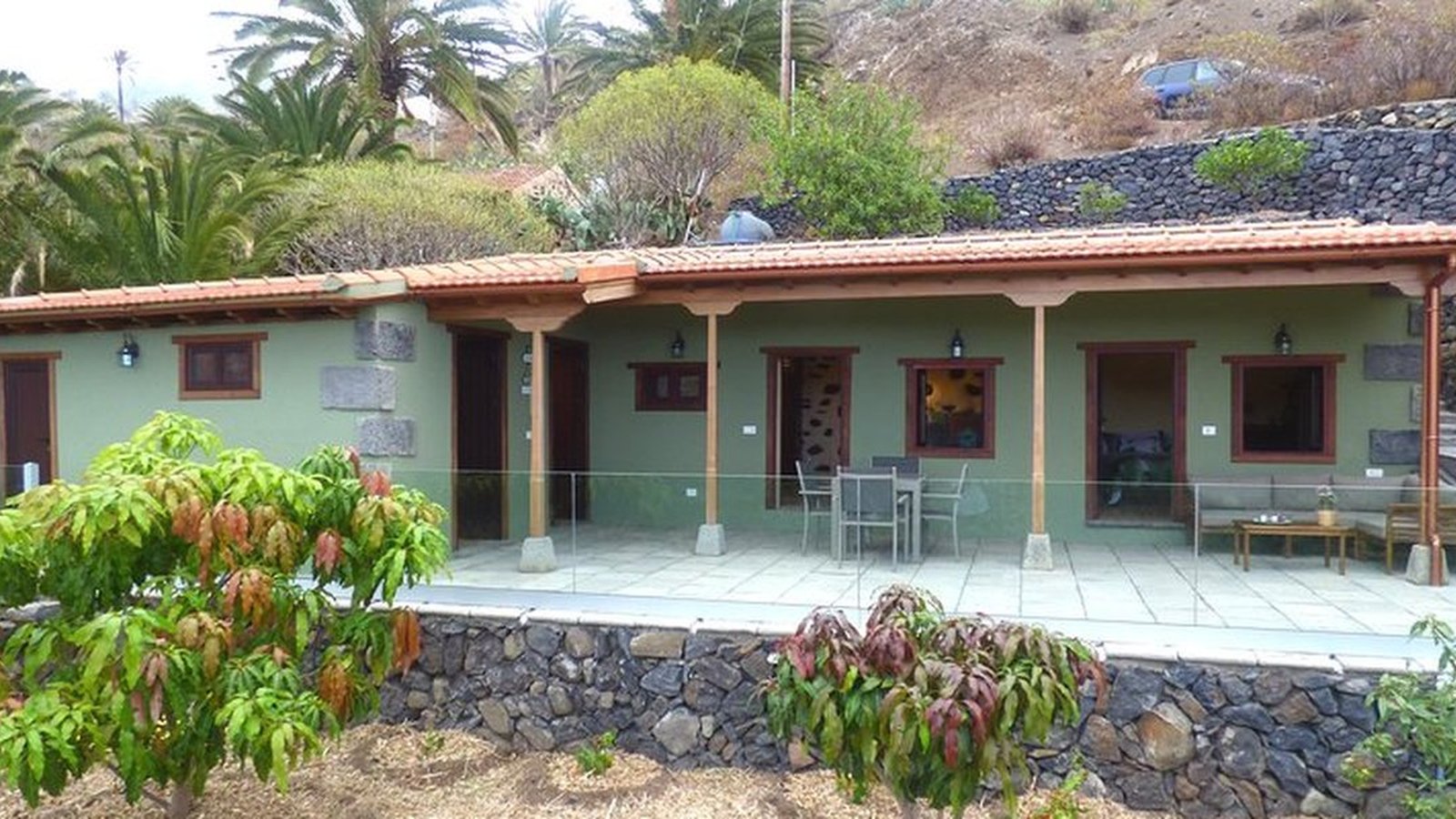
The catch: this figure counts only homes registered/visible on digital booking platforms
The other figure: the INE statistic (as of November 2025) shows just −3% (from 51,286 to 49,676)
The background: a new Canarian holiday-let law and, since 1 July 2025, a national mandatory register
Beds: around 157,000 guest beds per ISTAC — about 21% fewer than the nearly 200,000 a year earlier
Sources: ISTAC, INE, eldiario.es/Canarias Ahora, Canarias7
Let's start with what's true: the ISTAC figure is real. The Canarian Statistics Institute counted 38,337 holiday lets in May 2026 — a fifth fewer than the 47,648 a year before. The number of beds also fell, from nearly 200,000 to around 157,000. That's a decent drop. The only question is: a drop in what, exactly?
The small print: "registered on platforms"
The title of the ISTAC statistic carries a qualifier that tends to vanish from the headlines: it concerns holiday lets registered and visible on digital booking platforms. That is not the same as "all the holiday lets that exist". And this is exactly where it gets interesting — because a second official source, the national statistics institute INE, counts differently and arrives at a fall of just around 3 percent for the same market.
Two authorities, two figures, one topic — and both are right. They simply measure different things: one counts visible online listings on a given date, the other officially recorded properties over a different period. Anyone who lifts only the bigger percentage into the headline tells a more dramatic story than the data support.
Why so many listings disappeared
The main reason for the platform drop is not a mass exodus of hosts but a clean-up. Since 1 July 2025, Spain has had a mandatory register for short-term rentals; in parallel, the Canarian holiday-let law has tightened the rules. The result: listings that were never active, were duplicated, or do not meet the new requirements automatically fell away. A large part of the "minus 20 percent" is therefore cleared-out dead weight — not necessarily housing flowing back onto the residential market.
The new Canarian law also sets clear limits: as a rule, 90 percent of a municipality's homes must remain reserved for residential use, only 10 percent may be used for tourism (20 percent on the "green islands" El Hierro, La Gomera and La Palma). New builds may not be let until ten years have passed, permits last at most five years, and in markets declared under strain no new authorisations are granted.
What it means for the housing search
Here, sobriety is called for. Listings disappearing from a portal does not automatically mean a family finds one more affordable home. Some of the properties that dropped out were standing empty anyway or existed only on paper. At the same time, the housing crisis remains real: social associations count more than 1,400 evictions on the islands in 2025, and the housing ministry speaks of over 14,000 suspected illegal holiday lets to be examined. Whether the new regulation ultimately frees up noticeable housing cannot be read from a single platform statistic — that takes several surveys over several years.
Frequently asked questions
- Are 20 percent of holiday lets really gone now?
- 20 percent fewer are registered on digital booking platforms (ISTAC, May 2026). The official INE count shows only −3%. Both figures are true but measure different things.
- Why did so many listings disappear?
- Mainly because of the new mandatory register (since 1 July 2025) and the tightened Canarian law: inactive, duplicate or non-compliant listings fell away.
- Will it make it easier for me to find an affordable home?
- Not necessarily. Many of the properties that dropped out were empty or existed only on paper. Whether real housing is freed up will only show over a longer period.
- What does the new holiday-let law say?
- As a rule 90% residential use, 10% tourism per municipality (green islands 20%); new builds only after 10 years, permits max. 5 years, no new authorisations in strained housing markets.
- How many holiday lets are there now?
- Depending on the statistic, around 38,000 (visible on platforms) to nearly 50,000 (officially recorded). The truth lies in between and depends on how you count.
Read on
- Holiday lets in the Canary Islands drop 15 percentCanary Islands · 25 August
- Are the Canaries losing the Germans to the mainland? What's really behind the 13 percent dropCanary Islands · 22 June
- Canaries holiday lets fall 1% to 46,711 in SeptemberCanary Islands · 23 October
- Canary Islands housing budget 2027: 24.6% riseCanary Islands · 3 November
- Marrakech from the Canaries: flights, entry, medina rulesCanary Islands · 3 November
- All events on the Canary Islands →
As of 19/06/2026. Sources include ISTAC (Experimental Holiday-Let Statistic), INE and eldiario.es / Canarias Ahora and Canarias7. The decline figures cited come from different surveys (listings registered on platforms vs. officially recorded properties) and are not directly comparable. Cita.news presents the data and makes no final assessment of the housing-policy impact.