A profound and necessary act of remembrance is unfolding across the Canary Islands. The production company Clan de Medios has premiered its latest documentary, “Canarias: 50 años tras la oscuridad” (Canary Islands: 50 Years After the Darkness). The film confronts a painful and often silenced period: the Francoist military coup and the wave of brutal repression that swept through the archipelago. For anyone living in or visiting the islands, this is more than just a film; it is a key to understanding the deep, complex layers of local identity and the quiet resilience that defines Canarian society today.
While the premiere marks a significant cultural moment, concrete details about public screenings for this specific title are, as of now, remarkably scarce. Official channels have yet to release a fixed schedule of venues, dates, or ticket prices. This can feel a bit like chasing a shadow, but don't worry. We have done the legwork for you. By looking at the established circuits for this type of documentary, especially those run by the Filmoteca Canaria, we can give you a very clear picture of where and how you will likely be able to experience this and other essential historical memory films on the islands.
The Echo of Silence: What the Documentary Explores
The title itself, “50 años tras la oscuridad,” speaks volumes. It refers to the long half-century under the Franco regime, a time when dissent was crushed and a strict, singular narrative was imposed. The documentary promises to pull back the curtain on this era, focusing specifically on the Canarian experience. The islands, due to their geographical isolation and strategic position, were not just a peripheral footnote in the coup; they were a key early battleground. The repression here was swift and severe, targeting union members, teachers, intellectuals, and anyone perceived as a threat to the new order.
This film joins a growing, vital body of work dedicated to recovering historical memory in the Canaries. Another powerful example is the documentary “Simiente sobre tierra: relatos y secuelas de la represión franquista” (Seed on Earth: Stories and Aftermath of Francoist Repression), directed by Violeta Gil. This film, a collaboration with the cooperative Teyra S. Coop., is confirmed to be screening in Gran Canaria on the 22nd of May at 19:00. It shares a thematic kinship with the Clan de Medios project, focusing on the long, intergenerational trauma left by the repression. These are not easy films to watch, but they are essential conversations, transforming private grief into a shared, public act of healing.
Your Best Bet: Following the Filmoteca Canaria Circuit
If you want to be first in line when “Canarias: 50 años tras la oscuridad” gets a public screening, your best strategy is to follow the Filmoteca Canaria. This government-run institution is the archipelago’s guardian of cinematic heritage and the primary vehicle for screening documentaries of this nature. They have a well-established circuit of venues across the islands, and their programming is your most reliable compass. Screenings typically start at 19:00 in the capital islands, making them a perfect evening cultural outing.
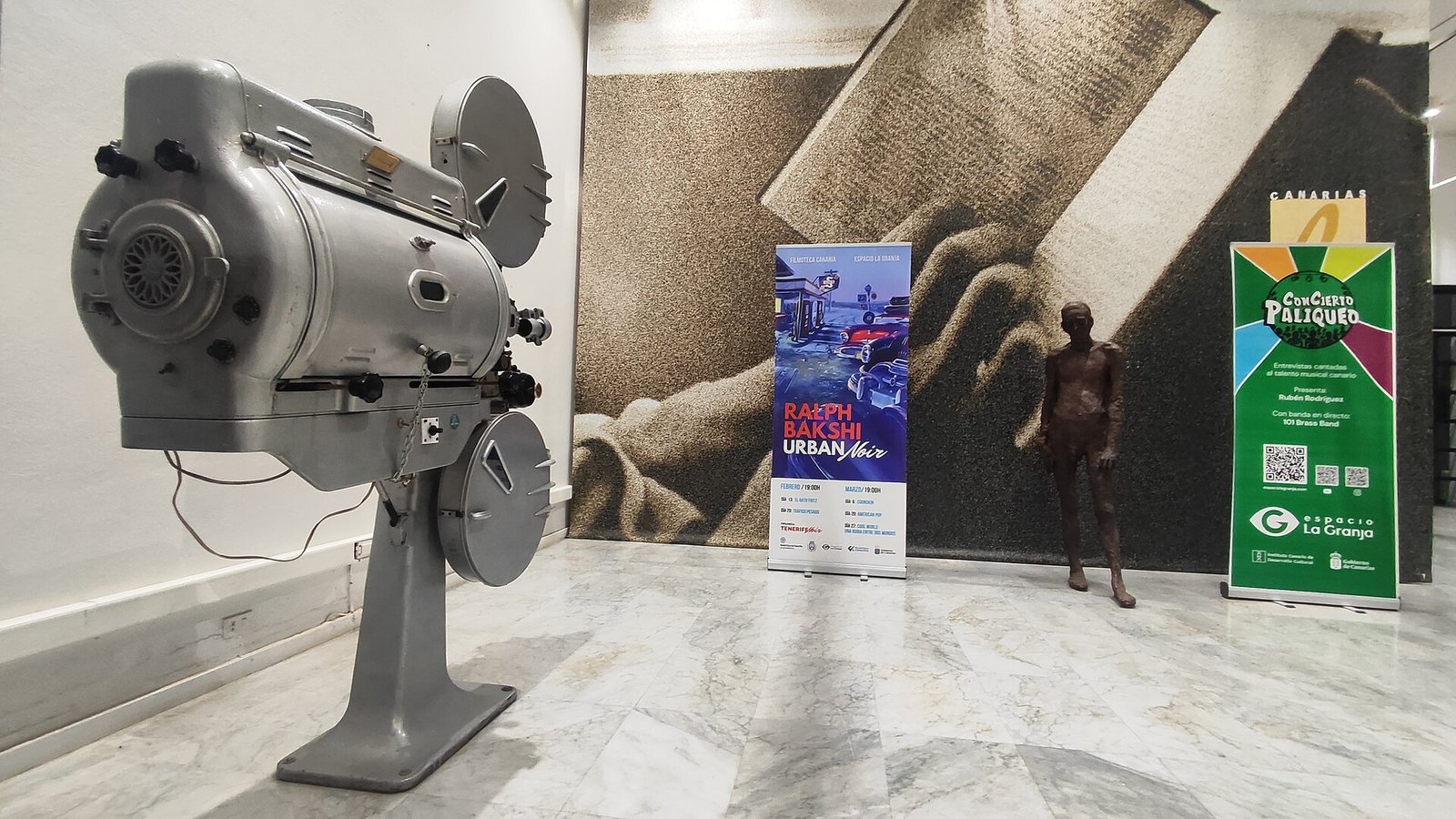
In Gran Canaria, the beautiful and historic Teatro Guiniguada in Las Palmas is the flagship venue. On Tenerife, the screenings move to the Espacio La Granja in Santa Cruz. For our readers on the stunning island of La Palma, the circuit includes two key locations: the Teatro Chico in the capital, Santa Cruz de La Palma, and the Casa de la Cultura in Los Llanos de Aridane. On these islands, the showtime shifts slightly to 20:00. Finally, on the windswept shores of Fuerteventura, the Auditorio Insular in Puerto del Rosario is the place to be, with screenings often starting at 20:30. Keep a close eye on the official Filmoteca Canaria website and their social media channels; this is where the dates for the Clan de Medios documentary will first appear.
More Stories of Memory on Screen and TV
The conversation around historical memory is not limited to cinema screens. Televisión Canaria (RTVC) is also playing a crucial role in bringing these stories into people’s homes. They have recently launched a gripping documentary series titled “A contraluz: Crónica negra de Canarias” (Against the Light: Canary Islands Crime Chronicle). This series, which premiered on Thursday, the 3rd of October at 22:30, examines the most shocking crimes on the islands over the last 40 years. While its focus is broader, it inevitably touches on the social and political shadows cast by the dictatorship, exploring how a society transitions from state violence to other forms of darkness.
For those who want a truly comprehensive, island-by-island deep dive, the seven-part series “La memoria silenciada” (The Silenced Memory) is a must-watch. Each episode is dedicated to unearthing the stories of victims of Francoist repression on one of the seven main islands. It is a monumental work of research and remembrance. On Lanzarote, the documentary “Quesada: la verdad del silencio” (Quesada: The Truth of Silence) is being screened as part of the “Cine juventud Lanzarote” project at the Multicines Deiland. This local focus shows that the desire to uncover the truth is a powerful, grassroots movement felt in every corner of the archipelago.
Why This Matters, Now More Than Ever
You might wonder why a documentary about events from nearly a century ago is so relevant today. The answer lies in the unmarked graves that are still being opened, the family stories that are only now being whispered aloud, and the collective identity of a people shaped by a long silence. Engaging with “Canarias: 50 años tras la oscuridad” and films like it is not about dwelling on the past; it is about understanding the present. The warmth and openness of Canarian culture today is not a given; it is a triumph over a history of enforced silence.
For a digital nomad or an expat, seeing this film can transform your experience of the islands. The quiet dignity of an elderly neighbor, the fierce pride in local traditions, the deep-seated value placed on community solidarity—all of this comes into sharper focus when you understand the historical forces that forged it. This documentary is an invitation to listen, to learn, and to connect with the islands on a much deeper level than any beach or hiking trail can offer. It is a journey into the heart of what it means to be Canario, and it is a story that deserves to be heard by everyone who calls these islands home, whether for a month or a lifetime.
Common Questions
- Where can I see “Canarias: 50 años tras la oscuridad” right now?
- Specific public screening dates and venues for this exact title have not yet been officially published. The best course of action is to monitor the Filmoteca Canaria’s official schedule.
- What is the Filmoteca Canaria?
- It is the Canary Islands Government's film institute, which organizes regular documentary and classic film screenings at a circuit of venues across all the islands.
- Are these historical memory documentaries usually free?
- Many Filmoteca Canaria screenings are free, but it is not a universal rule. You should always check the specific event listing for ticket price and availability.
- Is there a similar documentary I can see now?
- Yes, the documentary “Simiente sobre tierra” is confirmed to be screening in Gran Canaria on the 22nd of May at 19:00, covering the same theme of Francoist repression.
- Will the documentary be available online or on TV?
- There is no confirmed information yet about an online release or a TV broadcast for this specific documentary. For now, the focus is on the cinema premiere circuit.
Read on
- Canary Islands on 13 Oct: fiestas, opera and storytellingCanary Islands · 13 October
- Grandchildren’s Law: vote suspended for 163,020, report saysCanary Islands · 13 October
- Cabin baggage fees: claiming back five years of chargesCanary Islands · 12 September
- Fuerteventura Cancer Bunker Marks Four Years: 802 Patients Treated Without TravelFuerteventura · 6 August
- Canaries 12 Oct: Pilar fiestas, Fetish Pride, DJ brunchCanary Islands · 12 October
- All events on the Canary Islands →
Stand: July 2026. All information is based on official sources available at the time of writing. Screening schedules are subject to change; please confirm directly with the venues.