For anyone who has called Fuerteventura home for more than a few years, the image is a familiar one: a neighbor, a colleague, or a family member packing a small bag, not for a holiday, but for weeks of cancer treatment in Gran Canaria. That reality, a long-standing historical demand from the island, officially began to fade in June 2022 when the doors of the new radiotherapy bunker opened. Now, with four full years of data, we can see just how deeply this service has woven itself into the fabric of local life.
The official figures, released by the Consejería de Sanidad del Gobierno de Canarias, tell a clear story of steady, reliable growth. In its first partial year, the unit treated 97 patients. That number climbed to 179 in 2023, then to 208 in 2024, and held strong at 205 in 2025. In just the first six months of 2026, another 113 people have received care. Add it up, and you get 802 individuals who faced their diagnosis and treatment without leaving their island support system.
A Simple Number with a Deep Human Weight
Statistics can feel cold, but the figure of 10,722 treatment sessions represents something profoundly human. Each session is a day a patient didn't spend at an airport, a ferry terminal, or in temporary accommodation far from their loved ones. Before the bunker existed, a course of radiotherapy typically meant relocating to Gran Canaria for several weeks. The logistical nightmare of organizing work, childcare, and the sheer cost of it all added a heavy layer of stress to an already devastating diagnosis.
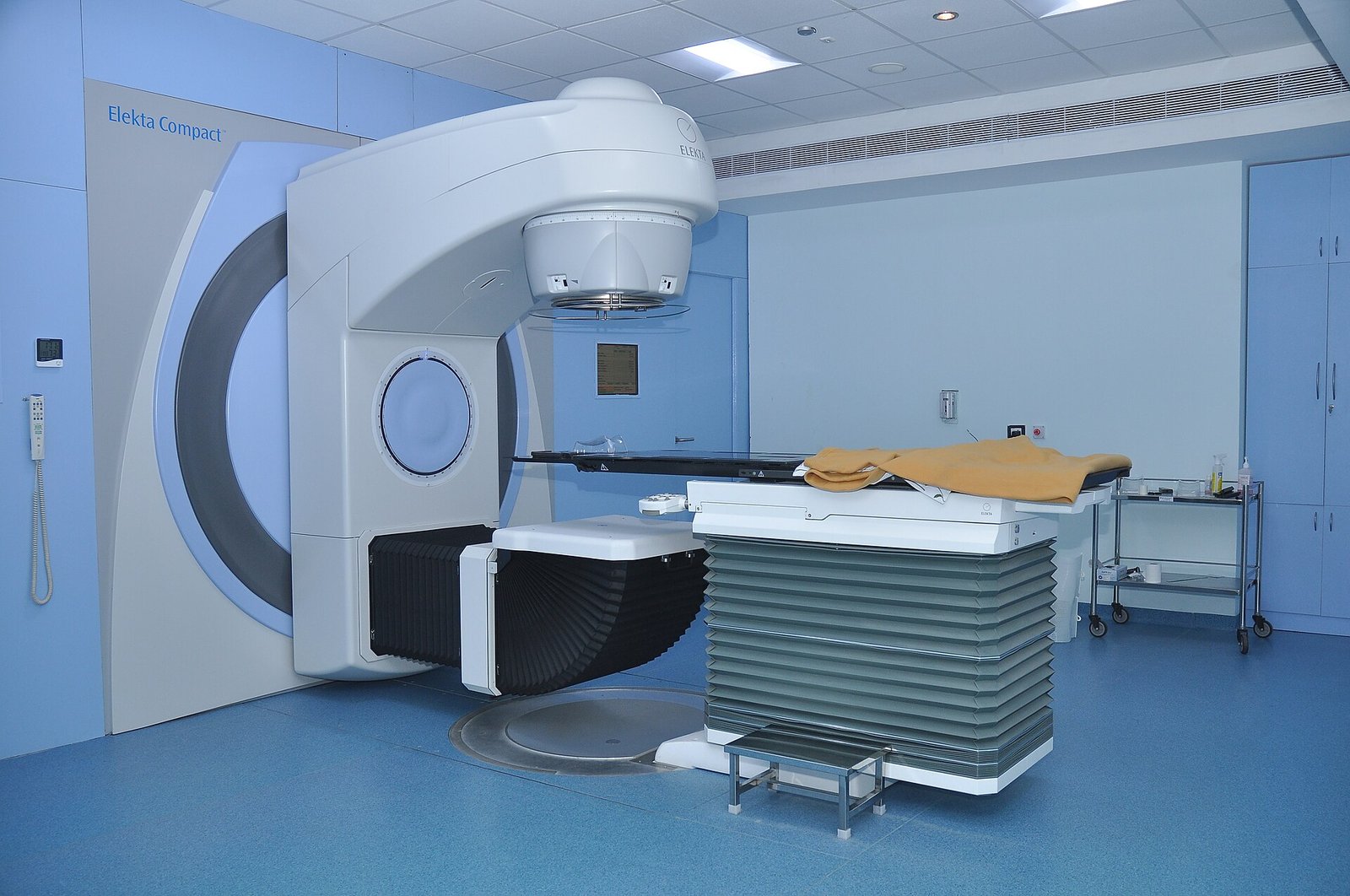
The unit's linear accelerator, housed in the specially constructed bunker, has become a quiet workhorse. The steady increase in patients—from 97 in that first half-year to over 200 annually—does not necessarily mean more people are getting sick. Rather, it points to a service that is fully integrated, trusted, and capable of retaining patients who would have previously been referred off-island by default. It is a sign of a maturing local healthcare ecosystem.
More Than Just a Machine: The "Essential Resource"
The regional health authority doesn't use the term "essential resource" lightly. For an island like Fuerteventura, geographic isolation is the single biggest challenge in delivering equitable healthcare. A broken leg can be set locally, but complex cancer care requires heavy infrastructure and highly specialized teams. The radiotherapy unit bridges that gap for one of the most common and demanding treatment paths in oncology.
By keeping treatment local, the hospital also keeps the associated care—nutritional advice, psychological support, pain management—within a single, coordinated team. A patient can see their oncologist, receive their radiation session, and consult with a nurse about side effects all under one roof, often on the same day. This continuity of care is a luxury that fragmented, travel-based treatment simply cannot offer.
From "Historical Demand" to Daily Reality
It is worth remembering how long this fight took. For years, patient advocacy groups, local politicians, and medical professionals described the on-island radiotherapy unit as the island's most urgent healthcare need. The repeated trips to the reference hospital in Gran Canaria were not just inconvenient; for frail patients, they were physically grueling and, at times, a barrier to completing treatment. The psychological toll of being isolated from one's community during such a vulnerable time cannot be overstated.
The four-year report is therefore a vindication of that advocacy. The 802 patients treated are not just numbers on a spreadsheet; they are 802 stories of people who could stay in their own beds, eat their own food, and feel the presence of their families after a difficult session. The unit has effectively turned a major, disruptive life event into a manageable, localized routine, allowing patients to focus their energy on healing rather than on logistics.
Looking Ahead: A Foundation, Not a Finish Line
While the milestone is significant, it is understood as a foundation. The official data confirms the service's consolidation, but it does not break down patient outcomes by tumor type or stage, nor does it claim that absolutely every single radiotherapy need can now be met on Fuerteventura. Highly specialized procedures may still, in some rare cases, require a trip to Gran Canaria. However, the vast majority of standard radiotherapy courses are now firmly a local affair.
The challenge for the next four years will be to maintain this momentum, retain the specialized staff who run the linear accelerator, and potentially expand the range of techniques offered. For now, though, the island can pause to acknowledge a genuine leap forward. The "bunker" has proven its worth, not in concrete and steel, but in the 10,722 times a machine has whirred to life and saved a family from a journey they no longer have to take.
Common questions
- When exactly did the radiotherapy unit start treating patients?
- The unit officially began its activity in June 2022, meaning it has now completed four full years of service.
- How many patients has the unit treated in total?
- Since opening, the unit has treated exactly 802 patients with radiotherapy, all without them needing to travel to Gran Canaria.
- Does the unit treat all types of cancer?
- The official report does not break down cases by tumor type, but it serves as the primary radiotherapy center for the island, covering the most common cancers requiring this treatment.
- Do Fuerteventura patients still ever need to go to Gran Canaria?
- For standard radiotherapy, no. The unit was explicitly created to avoid these trips. A small number of highly specialized procedures might still require travel, but this is not detailed in the current report.
- How many individual treatment sessions have been performed?
- As of the end of June 2026, the linear accelerator in the bunker had delivered a total of 10,722 radiotherapy treatment sessions.
Read on
- A holiday is a luxury nearly four in ten Canarians cannot affordCanary Islands · 14 August
- A Look Back Into the Shadows: New Documentary Explores 50 Years Since the Francoist Coup in the Canary IslandsCanary Islands · 14 July
- The science breathes easier, the affected still wait: La Palma four years after the volcanoLa Palma · 6 June
- Piedra Hincada fiestas 24–30 November 2026: free entryFuerteventura · 4 November
- Los Saraos Morro Jable: tapa and drink €5, 5 NovemberFuerteventura · 4 November
- All events on Fuerteventura →
Stand 6 August 2026. Based on official data from the Consejería de Sanidad del Gobierno de Canarias. No outcome or survival statistics are included.