Which sights should you visit on El Hierro?
The Mirador de la Peña near Valverde offers sweeping views over the Valle del Golfo and the Risco de Tibataje.
The Parque Cultural de El Julan preserves petroglyphs of the Bimbaches. The most significant rock inscriptions are at “Los Letreros de El Julan”, as the official island history records.
The Ecomuseo de Guinea shows a historic settlement at the foot of the Risco de Tibataje. The site includes the centre for breeding the endemic giant lizard of El Hierro.
The Monumento al Meridiano Cero near the Orchilla lighthouse recalls the former position of the prime meridian. The Pozo de la Salud in the Valle del Golfo is regarded as a mineral and medicinal water source.
Which natural areas and protected spaces are there?
The Reserva Natural Integral de Mencáfete lies within the municipality of Frontera. Vehicle access to the interior is limited to the Pista del Derrabado.
The Monumento Natural de Las Playas is a large, semicircular escarpment in the south-east. It is mainly reached via the road from Timijiraque to the Parador.
The Roques de Salmor are rock formations off the north-west coast.
What is the climate like on El Hierro and when is the best time to visit?
The AEMET normal values for El Hierro airport refer to the 1981–2010 reference period. The average maximum temperature is 23.3 °C and the average minimum temperature is 18.7 °C.
In January the mean temperature is 18.8 °C with 28 mm of rainfall over 3.1 rain days. In February it is 18.6 °C with 38 mm over 2.7 rain days.
In total, the station records 2,382 hours of sunshine per year. AEMET does not show sea temperatures in the available results.
For year-round walking, spring and autumn are usually practical, while the summer months suit swimming and long, bright days. This recommendation is an editorial travel assessment, not an official seasonal designation. For current values and warnings: CITA weather (cita.news/de/wetter.html) and AEMET.
Which rules apply in the protected areas?
In protected areas, activities may require permission, be restricted or be prohibited. In Mencáfete, guided visits are provided for at the Pista de El Derrabado and at the Fuente de Mencáfete.
Access to the Fuente de Mencáfete must be on foot and under the responsibility of a guide. That is set out in the protection plan.
Visitors should use only designated paths, observe closures and carry enough water. Before walks, weather, wind and path conditions should be checked.
Because of the abrupt topography, cliffs and volcanic ground, sturdy footwear and particular care at unsecured edges are essential. Binding closures must be checked with the island administration or protected area authorities.
How do you get to El Hierro and around the island?
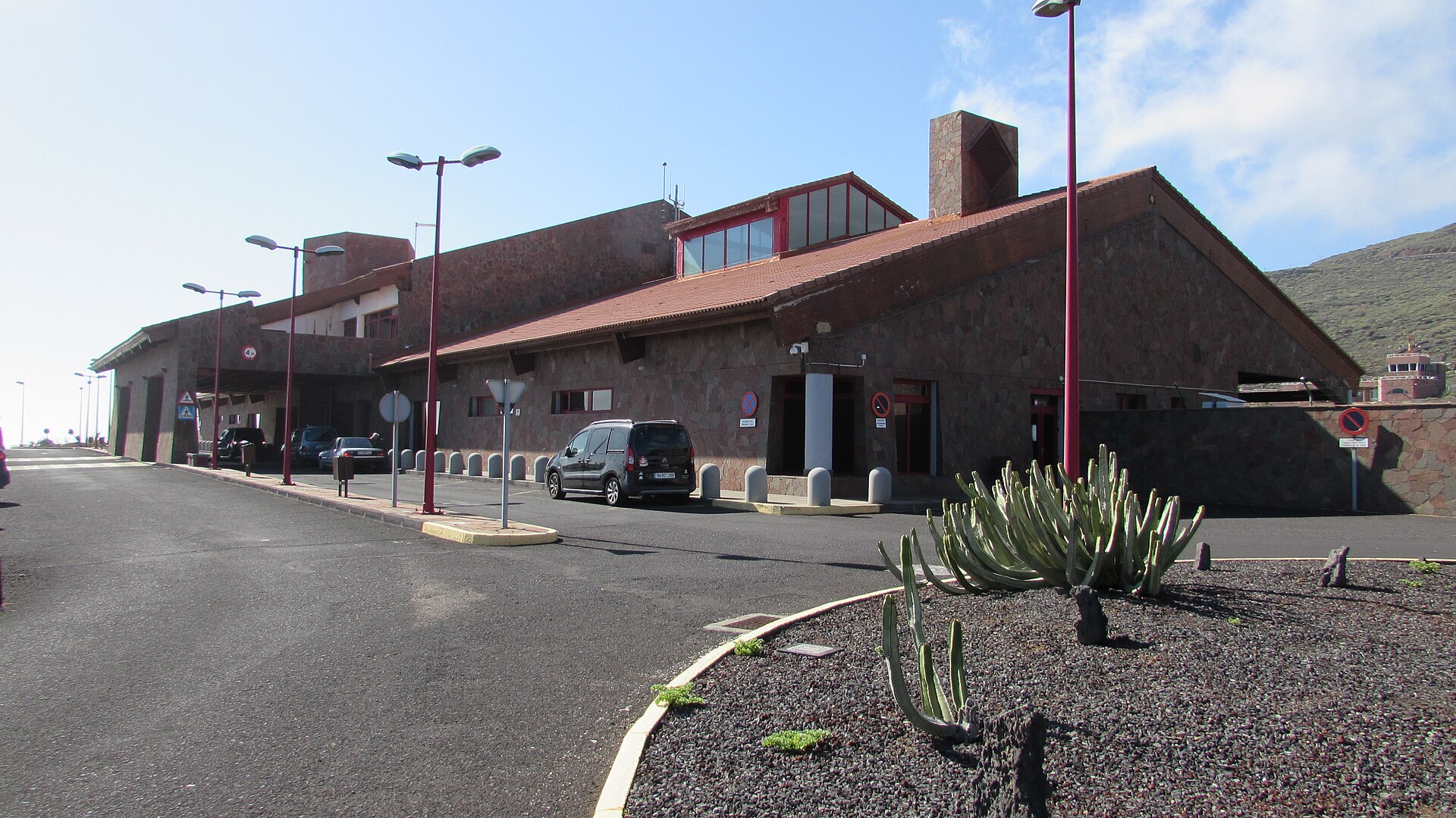
The island has El Hierro airport, Aeropuerto de El Hierro. The AEMET climate station is listed as “El Hierro/Aeropuerto”.
The official island information names the Oficina de Turismo del Cabildo de El Hierro in Valverde as the tourist information office. Visitors can get current advice there.
The Monumento Natural de Las Playas is mainly reached via the road from Timijiraque to the Parador. There are also foot approaches on the Isora–Las Playas, Icota (Taibique–Playa de Icota) and Las Casas–Las Playas paths.
For flight and ferry connections, timetables and car hire conditions, the current information from AENA, Binter, Fred. Olsen and Naviera Armas is authoritative. Specific 2026 fares could not be verified from the available sources.
What is new in 2026 and what should you check before travelling?
No verified new attraction, fee change, transport opening or rule change for 2026 can be derived from the available official sources. This applies as of Sunday, 4 October 2026.
Before travelling, opening times and admission prices for El Julan, the Ecomuseo de Guinea and the giant lizard centre in particular should be checked. Current flight and ferry timetables and protected area closures should also be checked.
El Hierro is significantly smaller and more sparsely populated than Tenerife, Gran Canaria, Lanzarote or Fuerteventura. The island has no pronounced mass tourism centre and fewer direct transport connections.
The limited transport links are part of the “double insularity”. Travellers should not allow too little time for ferry or flight connections and should book early in high season.