Which sights should you visit on Lanzarote?
The main official visitor attractions are run by the Centros de Arte, Cultura y Turismo (CACT) of the Cabildo de Lanzarote. They include Timanfaya National Park, Jameos del Agua, Cueva de los Verdes, Mirador del Río, Jardín de Cactus, MIAC – Castillo de San José, Casa-Museo del Campesino and Castillo de Santa Bárbara – Museo de la Piratería.
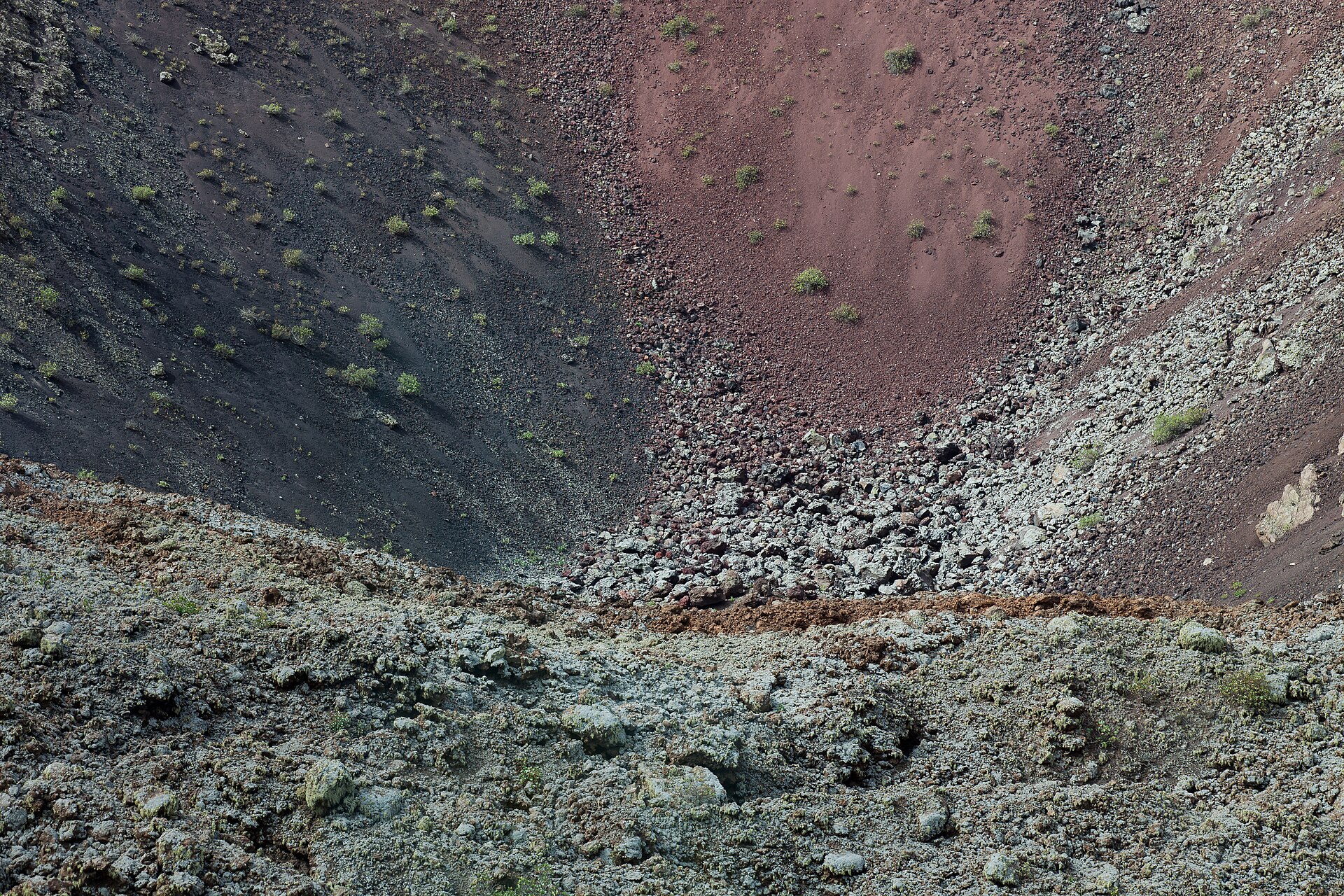
Timanfaya National Park showcases the volcanic landscape created by the eruptions from 1730 to 1736 in the west and centre of the island. In 2026, tickets must be bought online in advance for a specific date and arrival time slot.
Jameos del Agua lies inside a lava tube formed by the La Corona volcano. The complex designed by César Manrique includes underground areas and the scientific Casa de los Volcanes. Opening hours are 10:00 to 18:00, with last entry at 17:15. For the evening event Jameos Noche, hours are 18:30 to 20:30; the centre closes at midnight.
Cueva de los Verdes is part of the lava tube of the La Corona volcano, which is more than six kilometres long. Around 1.5 kilometres of the tube lie underwater and are known as Túnel de la Atlántida. Official information gives 10:00 to 17:00 with last entry at 16:45 as the regular hours; in summer 10:00 to 18:00 with last entry at 17:00. Online-only booking is not confirmed.
What should you know about Timanfaya and the volcanic landscape?
The eruptions from 1730 to 1736 shaped large parts of Lanzarote's present-day landscape. They destroyed fertile land, but also led to a distinctive farming method: volcanic ash retains moisture and allows agriculture on otherwise dry soils. This technique still defines the wine-growing landscape of La Geria today.
Timanfaya National Park is a protected area. The Canary Islands government expressly highlights visitor rules intended to preserve natural resources and the values of the protected area. In practice, that means using marked paths and authorised visitor options, not walking off the routes, not removing stones or plants, and not ignoring drone or fire regulations.
Pets are not allowed in the CACT centres. For Timanfaya, online reservation is particularly important because access is tied to time slots in 2026. Treating Timanfaya like a freely accessible volcanic hike is a typical mistake: access is only possible through the official visitor area.
What role does César Manrique play for Lanzarote?
César Manrique brought together art, architecture and landscape. His interventions in natural sites such as Jameos del Agua or Mirador del Río shaped a model based on less visual sprawl and stronger integration with the landscape. This model sets Lanzarote apart from other Canary Islands.
Mirador del Río sits on the Risco de Famara escarpment at 474 metres above sea level. The view stretches across the Chinijo Archipelago Natural Park and the Risco de Famara. Opening hours are 10:00 to 17:00, with last entry at 16:40.
Jardín de Cactus is one of the official CACT centres and part of the cultural landscape of Lanzarote shaped by Manrique. Current opening times and admission prices should be checked in the official CACT calendar before visiting, as times and tariffs can change. MIAC – Castillo de San José, the International Museum of Contemporary Art, is housed in a former military fortress.
Which markets and places are worth visiting beyond the CACT centres?
The official island information lists the Mercadillo de Teguise on Sundays from 09:00 to 14:00. Teguise was the centre of the island until the 19th century; Arrecife only became the capital in 1852. The official tourism entry gives Saturday 09:00 to 14:30 for Haría, not 10:00 to 14:30.
The market in Puerto del Carmen runs on Fridays from 09:00 to 14:00 at the Varadero. In San Bartolomé there is an art and agriculture market on the last Sunday of the month. These places add farming, villages and history to the Manrique centres.
If you want to avoid crowds or pure viewpoints, you can visit the wine-growing landscape of La Geria, plan Teguise and Haría as historic or scenic places, or choose Arrecife with Charco de San Ginés and its maritime heritage. For a beach day, Papagayo, Famara or Costa Teguise can be compared depending on wind, infrastructure and protection rules.
How do you plan the visit in practical terms and which mistakes should you avoid?
For Timanfaya, online reservation is particularly important because access is tied to time slots in 2026. At all CACT centres, published opening times are subject to short-notice changes; the official island brochure expressly points out that times can be changed without prior notice.
Castillo de Santa Bárbara – Museo de la Piratería sits on the Guanapay volcano near Teguise and covers piracy and the history of the fortress.
Typical mistakes include: ignoring barriers or collecting volcanic material, visiting only the centres designed by Manrique and leaving out farming, villages and history, underestimating distances and driving times, and underestimating wind, sun and the need for sufficient water because of the mild climate. Several Manrique sites are better spread across different days than ticked off in one overcrowded tour.
What is known about prices, climate and further planning?
Specific admission prices change regularly. The available official search results confirm that the centres for art, culture and tourism are central visitor sites, but the excerpts do not provide a reliable complete price list for 2026. For a serious guide, prices should therefore be checked directly with the official centres as of 2026 before publication; outdated blog or comparison prices should not be used.
The sources cited do not provide a complete, reliable overview in the available search results of AEMET climate normals by month, sea temperatures, rainy days, sunshine hours, public transport connections or official safety rules. These details should therefore not be added without further checking. Current values and warnings: CITA weather (cita.news/de/wetter.html) and AEMET.
Lanzarote has been a UNESCO Biosphere Reserve since 7 October 1993. The conservation concept covers not only individual natural areas, but the entire island and its sustainable development. The Chinijo Archipelago has been recognised as a UNESCO Geopark.