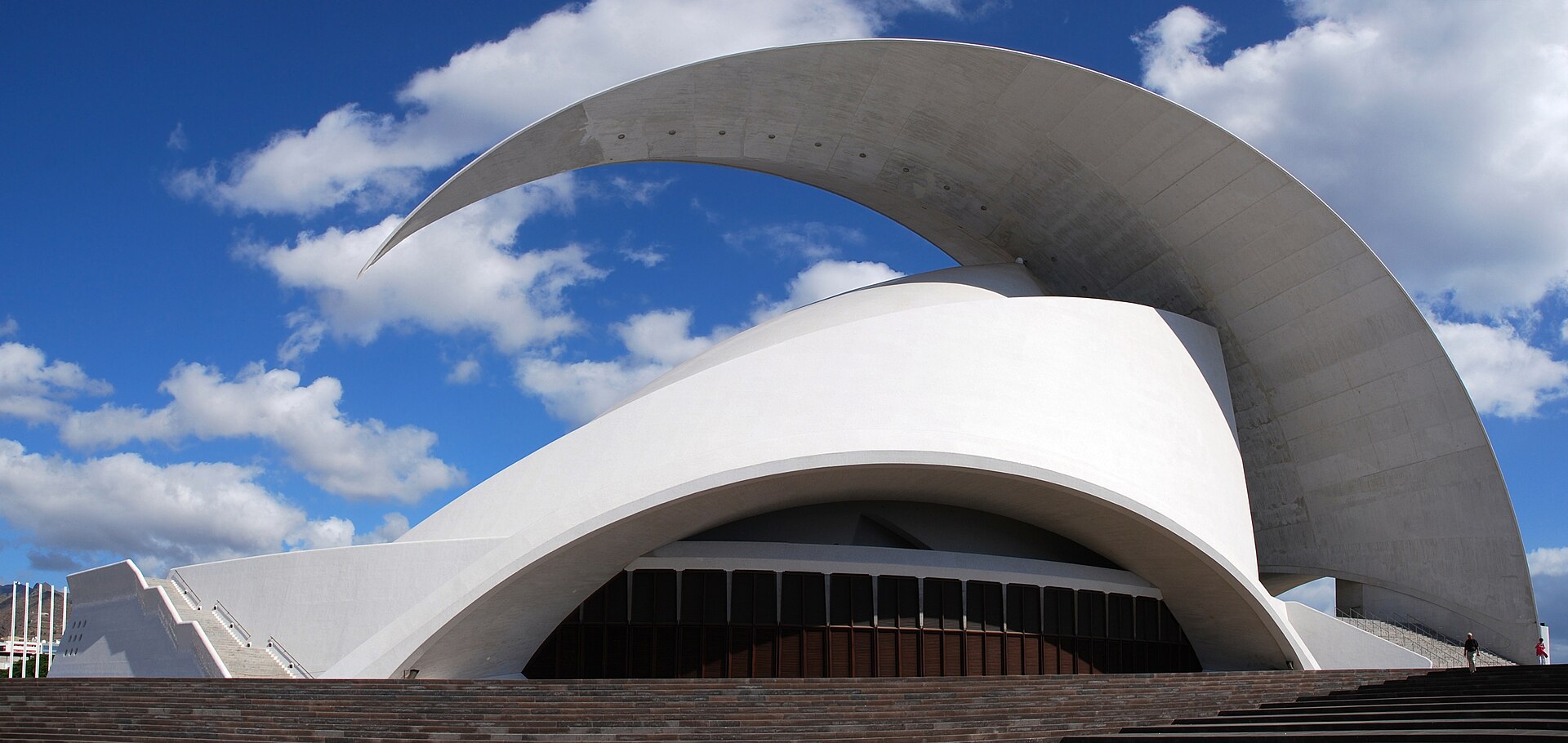
Which sights should you see in Tenerife?
Tenerife's best-known landscape lies around the Teide volcano in the Parque Nacional del Teide. Access to some of the national park's marked walking routes is unrestricted; for certain routes, prior reservation is mandatory.
According to Tenerife ON, the PNT 10 Telesforo Bravo path to the summit of Teide requires a reservation for all visitors. The PNT 07 Montaña Blanca–La Rambleta path also requires a reservation with individual permission.
The same applies to PNT 09 Teide–Pico Viejo–Mirador de las Narices del Teide, PNT 23 Los Regatones Negros and PNT 28 Chafarí. According to Tenerife ON, no reservation is generally required for the national park's other paths; however, temporary closures may apply at any time.
Access to the Barranco del Infierno requires prior reservation. For towns, viewpoints, beaches and other attractions, opening times, admission prices and access conditions must be checked on the pages of the relevant municipality or facility.
How do you get to Tenerife and around the island?
Tenerife has two airports: Tenerife Norte–Ciudad de La Laguna and Tenerife Sur. AENA is the authoritative source for flight connections, airport services and current operational information.
For local public transport, the island's buses are operated by TITSA. Connections, timetables, fares and changes should be checked directly in the official journey planner.
For ferry connections to other Canary Islands, Fred. Olsen Express and Naviera Armas are the main operators. Special rules apply when driving in natural areas: vehicles must stay on authorised tracks.
Forest tracks may be temporarily closed for maintenance work or because of poor conditions. The official recommendation is to use public transport where possible.
What rules apply when walking in Teide National Park?
Binding safety requirements apply to high-mountain paths in Teide National Park that require a reservation.
Visitors should use only marked paths, leave no litter and avoid damaging flora and fauna. Do not use devices that amplify sound, and follow instructions from park staff and the relevant authorities.
Before setting off, check the status of the route and any possible closures. For paths requiring a reservation, the permit must be valid for the specific day.
The national park also requires visitors not to leave marked paths, not to remove plants or stones, to take rubbish away, and to avoid drones, fires, wild camping and overnight stays in vehicles.
When is the best time to visit Tenerife?
The following figures come from the climate normals of the AEMET station Tenerife Sur Aeropuerto. They are monthly averages and not daily forecasts. AEMET records an annual average of 21.4 °C and 132 mm of precipitation for southern Tenerife.
The driest months are June to August with 0 to 1 mm of precipitation. The highest average daily maximum temperatures are reached in July and August with 27.7 °C and 28.4 °C respectively.
For beach holidays, the summer months are particularly dry and sunny. For walks at lower altitudes, spring and autumn are often good times to travel; in the Teide area, however, significantly lower temperatures, wind and short-notice access restrictions must be expected all year round.
This recommendation is a practical interpretation of the official monthly figures, not a weather forecast.
What should you particularly bear in mind when visiting Tenerife in 2026?
The reservation and permit rules for natural areas published on Tenerife ON also apply in 2026. Time-limited rules until 31 December 2026 are listed for several natural areas.
Admission prices, cable car operations, timetables, ferry fares, opening times and temporary closures should be checked on the relevant official website immediately before travelling.
Transport, parking, guided tours and admission prices may vary seasonally or by fare category.
What alternatives are there if Teide is fully booked or places are crowded?
If Teide summit permits are fully booked, options include the Roques de García circular walk, viewpoints along the national park road, the El Portillo visitor centre or walks in Anaga and Teno.
If you want to avoid crowds, you can visit La Laguna, La Orotava, Garachico or smaller coastal towns, and plan Teide for early morning or outside the main season. Beach holidays can also be split: the south is more reliably sunny and more tourist-oriented; the north offers more black volcanic beaches, gardens and historic town centres.
For walks, bus connections and return routes should be checked in advance, as many mountain paths are not short circular routes.