Which sights should you not miss on La Palma?
The Parque Nacional de la Caldera de Taburiente lies in the island's interior and, according to the official tourism portal, is characterised by deep ravines, watercourses and waterfalls.
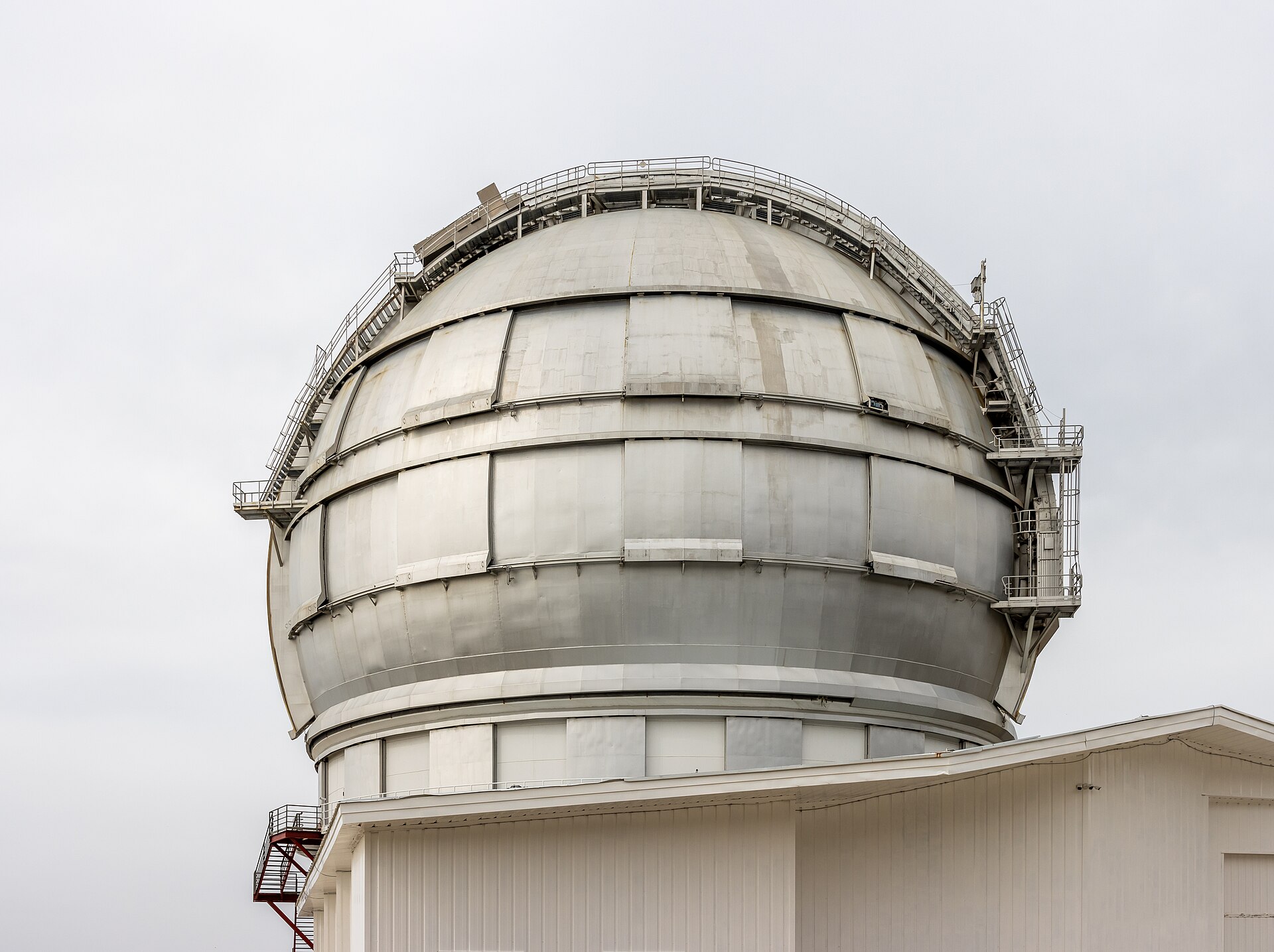
The Roque de los Muchachos reaches almost 2,500 m. It is home to the Observatorio del Roque de los Muchachos, one of the world's most important astrophysical observatories.
The Parque Natural de Cumbre Vieja shows the island's volcanic development. The Ruta de los Volcanes runs from Refugio del Pilar to Fuencaliente.
The Bosque de Los Tilos lies within the Parque Natural de Las Nieves and is among the archipelago's significant surviving laurel forests. At the southern tip are the salt pans of Fuencaliente and the lighthouse of Fuencaliente.
The Porís de Candelaria is a naturally shaped coastal settlement. Access is via a narrow, steep road and should only be attempted in suitable conditions.
What makes the 2021 volcano special as a sight?
La Palma's youngest volcano was formed during the eruption of 19 September 2021, which lasted 85 days. The official tourism portal lists the 2021 volcano, the new fajanas and the associated viewpoints as central visitor themes.
Tourist access to the volcanic cone is only permitted as part of authorised offers or on approved paths. The volcano area must not be entered independently outside approved zones.
The port and coast of Tazacorte offer views of the lava flows and coastal areas created by the eruption, the so-called fajanas. Tourist use of these areas remains dependent on official approvals, path conditions and possible protection or safety requirements.
Sturdy footwear is required in volcanic landscapes. Loose cinders, sharp-edged lava and unstable ground increase the risk of falls, according to the official tourism portal.
Which viewpoints and museums are worth visiting?
The officially highlighted viewpoints include the Mirador del Time in Tijarafe and the Mirador de Tajuya in El Paso. Both offer wide views over the western side of the island.
In Santa Cruz de La Palma, the official tourism portal lists the Museo Insular de La Palma, the Museo del Plátano and the Museo Casa Roja, among others.
Further official cultural sites are the Parque Cultural La Zarza, the Parque Arqueológico de Belmaco and the Museo del Puro Palmero. They document the island's pre-Hispanic history and agricultural tradition.
The city of Santa Cruz de La Palma preserves colonial architecture, including wooden balconies, churches and former trading houses. After the Castilian conquest in 1493, it developed into an important port in Atlantic trade.
What rules apply in the Caldera de Taburiente National Park?
The Caldera de Taburiente is a national park. Official rules prohibit, among other things, collecting plants, stones or animals, leaving litter, fires, camping outside the designated zone and introducing non-native plants and animals.
A permit is required for the designated camping zone. In summer and during Easter week, a maximum of two nights or three days is allowed; outside this period, up to seven days is possible. Groups may consist of no more than ten people.
Access to the La Cumbrecita viewpoint requires a reservation and is time-limited.
For professional film, photo and video work, the national park authority does not charge its own fee, according to official information. However, municipalities may charge local fees; in addition, a deposit of 300 to 3,000 euros may be required.
What are the climate and best time to visit La Palma?
The available AEMET normal values refer to the Palma, Puerto station, at 3 m above sea level, and the period 1981–2010. July and August are the warmest and driest months on the coast in the long-term average.
July records 6 mm of precipitation and 346 hours of sunshine, while October records 69 mm of precipitation and 205 hours of sunshine.
October and November are among the wetter months. The figures do not apply to the whole island: temperatures are lower in the high mountains, and trade-wind cloud mainly affects the northern and eastern slopes.
For a combination of walking, sightseeing and pleasant coastal temperatures, spring, early summer and autumn are generally suitable. Current values and warnings: CITA weather (cita.news/de/wetter.html) and AEMET.
How do you get to the sights on La Palma?
The main airport is Aeropuerto de La Palma. Specific flight schedules and seasonal connections must be checked with AENA and the airlines. For island hopping, Binter connections are particularly relevant.
A hire car is practical for sights in the island's interior, on the west coast and in remote mountain areas. On mountain roads, narrow lanes, steep gradients and changing visibility should be expected.
Public bus services exist, but do not reach every viewpoint, walk start point or remote coastal village. Ferry connections and timetables must be checked with the respective operators.
Before any walk, weather warnings, path conditions and possible closures should be checked. In the mountains, cloud, fog, wind and temperatures can be markedly different from the coast.