In a move that bridges Spain's sun-and-beach heartland with its verdant north, tourism chiefs from Fuerteventura and Cantabria met in Santander this week to shake hands on a new collaborative framework. The initiative, reported by Europa Press, is designed to create what officials are calling tourism "synergies" — a coordinated effort to strengthen links and cross-promote the two destinations. While the ink may not be dry on a formal, long-term treaty, the commitment is clear: both regions want to tap into each other's visitor flows and build a more resilient tourism model.
The meeting brought together the top tourism officials from both sides. Representing Cantabria were Regional Minister of Tourism Luis Martínez Abad and Director General of Tourism and Hospitality José Luis López Vielba. From Fuerteventura, Insular Minister for Tourism Marlene Figueroa and Moisés Jorge Naranjo, Director of the Fuerteventura Tourism Board, led the discussions. Together, they outlined a vision where a traveller soaking up the winter sun on Fuerteventura's beaches might easily be tempted to extend their trip with a cool, green escape to Cantabria's mountains and historic villages — and vice versa.
A Bridge Between Two Worlds
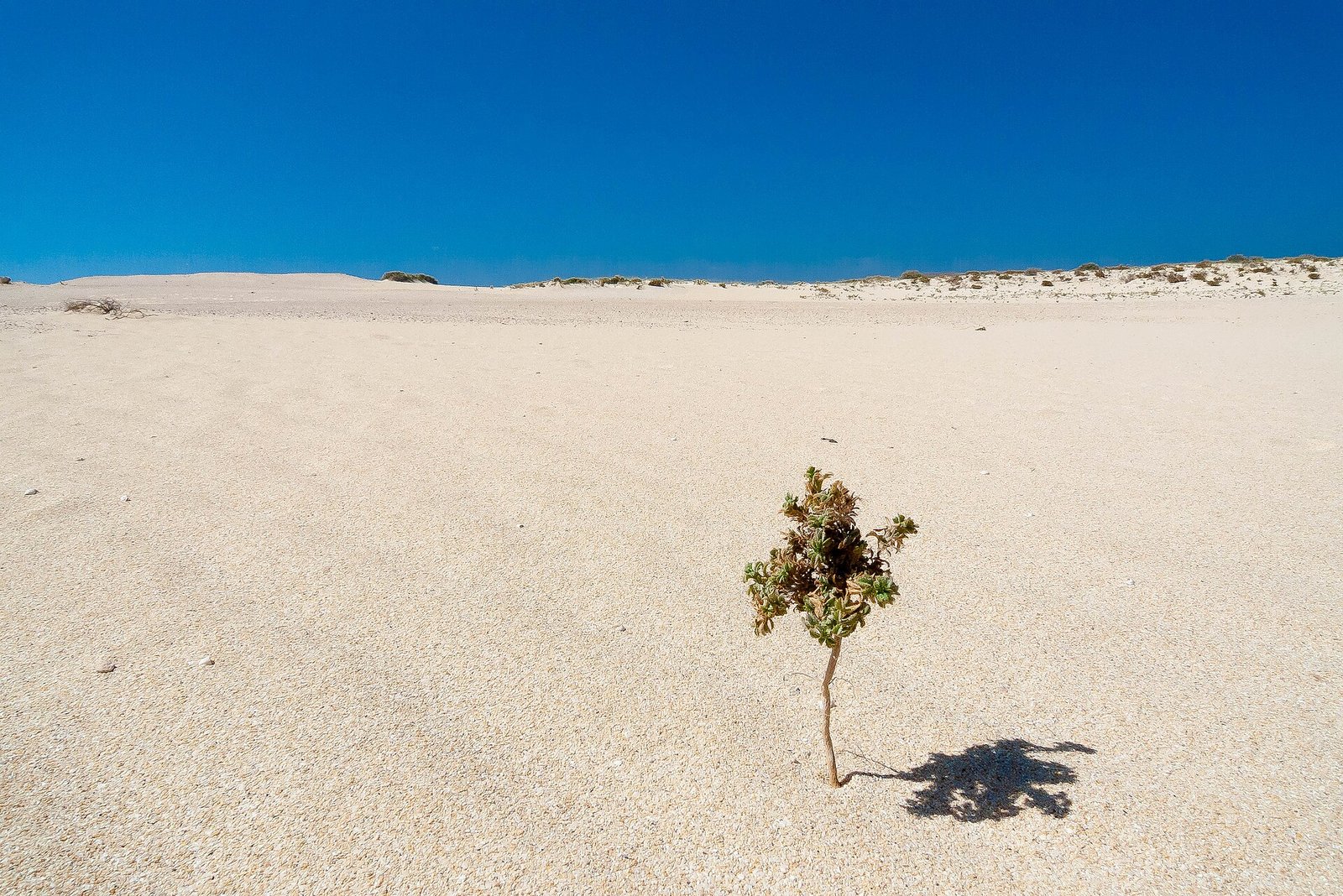
At first glance, Fuerteventura and Cantabria seem like tourism opposites. Fuerteventura, a UNESCO Biosphere Reserve, is famed for its endless sandy beaches, turquoise waters, and year-round sunshine, making it a winter haven for Europeans. Cantabria, part of the "España Verde" (Green Spain) brand alongside Galicia, Asturias, and the Basque Country, offers a dramatically different palette: rugged coastlines, deep green valleys, prehistoric caves, and a rich cultural heritage. This contrast is precisely the point.
The collaboration aims to develop joint promotional actions that "benefit both territories." This means coordinated marketing campaigns that could see Fuerteventura promoted in northern Spanish markets and Cantabria showcased to the Canary Islands' substantial international visitor base. The logic is simple but powerful: by bundling two complementary experiences, both regions can attract travellers seeking more than a single-note holiday, while also encouraging longer stays and repeat visits.
The Flight Path to Closer Ties
Perhaps the most tangible ambition on the table is the exploration of a future direct air route between Fuerteventura and Cantabria. Currently, travelling between the two involves a connection, often through Madrid or Barcelona. A direct flight would be a game-changer, slashing travel time and making a dual-destination trip a realistic, attractive option for short breaks. The groundwork for this already exists: Cantabria has existing partnerships with airlines like Binter, which connects the Canary Islands with various mainland points, effectively turning aircraft into "tourist offices" for the region.
Fuerteventura's Tourism Board, meanwhile, is no stranger to airline co-marketing, having invested heavily in campaigns with carriers and tour operators to boost winter occupancy. A direct link would not only serve tourists but also strengthen business and cultural ties between the island and the mainland, making the collaboration far more than a paper exercise.
What Each Destination Brings to the Table
Fuerteventura's tourism strategy is laser-focused on reinforcing its position as a top winter sun destination for Europeans. The island's Patronato de Turismo is investing over €1 million in multi-market campaigns, working closely with tour operators and airlines. Beyond the beach, the island is pushing its nature credentials through programmes like "Fuerte por Naturaleza," which connects visitors with inland rural areas, local produce, and artisan traditions. Stargazing is another growing draw, with the "Fuerteventura Starlight" initiative capitalising on the island's exceptionally clear night skies.
Cantabria, under its "Cantabria Infinita" brand, counters with a rich tapestry of cultural and natural attractions. The regional government is betting big on an "enriched cultural offer," including new museums planned for Santander. Pilgrimage routes like the Camino Lebaniego offer spiritual and active tourism, while the region's participation in Green Spain's ecotourism corridor — the largest in Europe — positions it as a leader in sustainable travel. Cantabria is also aggressively courting long-haul markets, with promotional pushes in Mexico, Japan, South Korea, and China, using the España Verde umbrella to stand out.
Fighting Seasonality Together
Underpinning the handshake in Santander is a shared strategic imperative: deseasonalization. Spanish tourism policy at the national level has long prioritised spreading visitor arrivals beyond the peak summer months to ease pressure on infrastructure, create year-round employment, and unlock the potential of lesser-known regions. This collaboration is a practical expression of that goal. Fuerteventura wants to fill beds in its traditional winter stronghold, while Cantabria seeks to attract visitors outside the July-August rush.
By linking a classic winter sun destination with a green summer escape, the partnership creates a natural counter-flow. A British or German tourist visiting Fuerteventura in February might be inspired to book a Cantabrian hiking holiday for July. Conversely, a Spanish family from Santander enjoying their local coast in August could be tempted by a winter break on Fuerteventura's warm sands. It's a symbiotic relationship designed to smooth out the peaks and troughs that challenge both regions.
Common questions
- What exactly did Fuerteventura and Cantabria agree on?
- They agreed to create tourism synergies through joint promotion, strengthen links between the two destinations, and work towards a future direct flight connection.
- Who are the key officials behind this collaboration?
- The initiative is led by Cantabria's Tourism Minister Luis Martínez Abad and Director General José Luis López Vielba, alongside Fuerteventura's Insular Tourism Minister Marlene Figueroa and Tourism Board Director Moisés Jorge Naranjo.
- Is there a direct flight between Fuerteventura and Cantabria right now?
- No, not yet. A direct air route is a key goal of the collaboration, but it is still in the exploratory phase with no confirmed start date.
- What kind of tourist is this partnership aimed at?
- It targets travellers interested in combining a sun-and-beach holiday with a nature, culture, or ecotourism experience, as well as those looking to travel outside the busiest summer months.
- How does this fit into Spain's wider tourism strategy?
- It aligns with national goals of deseasonalization and diversification, encouraging visitors to explore different regions and travel at different times of the year.
Read on
- Condor Adds New Direct Flights from Münster to Fuerteventura for Summer 2027Fuerteventura · 1 August
- Canaries: Ryanair cuts Berlin direct flights from 24 OctoberCanary Islands · 17 October
- Canaries: BBVA sees only 2.1% growth in 2026Canary Islands · 16 October
- Fuerteventura: €45,000 fraud with fake ticketsFuerteventura · 23 October
- Fuerteventura rain pre-alert from 21 October at 9amFuerteventura · 21 October
- All events on Fuerteventura →
Stand 25 July 2026. Details of specific joint campaigns and the formal legal framework are not yet publicly confirmed and will be developed by the respective tourism authorities.