Saved for now: coastal house at Cueva de la Negra escapes demolition
The centenary coastal house Casa de las Señoras, at Cueva de la Negra in the municipality of Pájara, in the Jandía area of southern Fuerteventura, was not demolished on Wednesday 26 August 2026. According to Canarias7, the Guardia Civil and the Policía Local went to Cueva de la Negra to enable the State-scheduled demolition, and demolition machinery was already on site.
Update, 21 September 2026: the coastal authority announced it would enter the house today and disable it for prohibited uses; the Cabildo's measures protect only against demolition. Latest: Cueva de la Negra: coastal authority plans to shut down an 80-year-old woman's home today
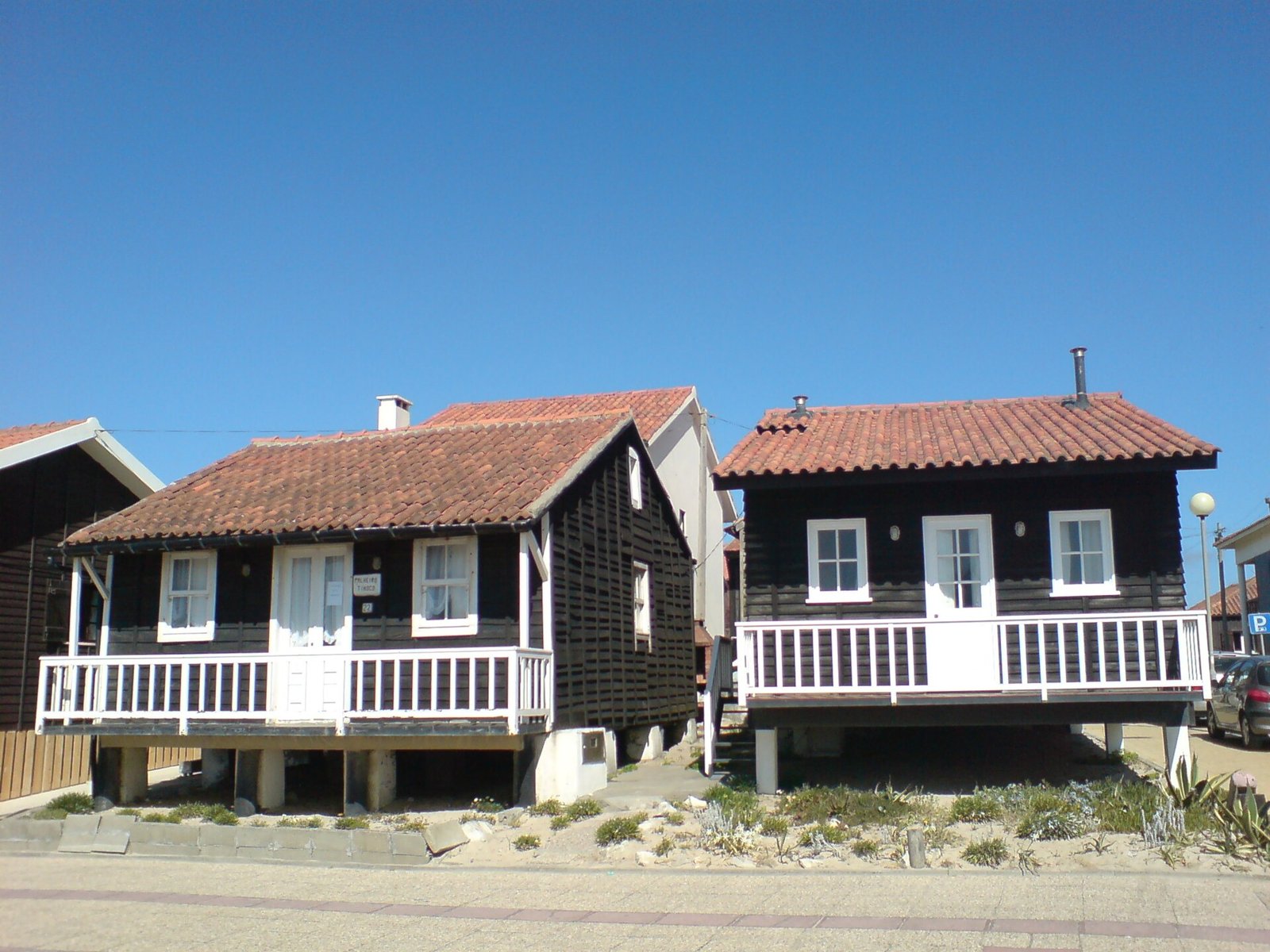
Photo: Dario, CC BY-SA 1.0 (Symbolbild).
After moments of tension, however, the demolition did not take place and normality was restored. The decisive factor was the precautionary measures adopted the day before by the Cabildo de Fuerteventura. The framing matters: the house is saved only "for now" — this is a suspension, not a definitive cancellation.
The demolition was stopped at the last moment
The Demarcación de Costas de Canarias, the State body that manages the public maritime-terrestrial domain, had set the demolition of the Casa de las Señoras for 26 August 2026. According to Canarias7, on that day the Guardia Civil and the Policía Local arrived at Cueva de la Negra to enable the demolition, and the demolition machinery was on site. Costas considered the demolition necessary.
After moments of tension, the demolition did not go ahead and normality was restored. The building was still standing at the end of the day, even though the date and the machinery had already put everything in place for the works.
How the demolition was halted
The decisive factor was the precautionary measures that the Cabildo de Fuerteventura had announced the previous day, 25 August, through its Cultural Heritage area (Patrimonio Cultural). Those measures suspended the works, citing the risk of irreversible damage to the cultural and archaeological heritage.
The owners had requested those measures on 25 August. The Cabildo acted through an urgent procedure because there were no prior heritage studies. It invoked the Canary Islands Cultural Heritage Law, which allows cabildos to adopt urgent precautionary measures, including the suspension of works.
What the house is and why it matters
The Casa de las Señoras is a coastal house more than 150 years old. It stands at Cueva de la Negra, an old coastal settlement in Pájara, near an archaeological setting. Because of its age and its location, it sits at the centre of a clash between the State's coastal law and the island's wish to preserve a testimony of traditional coastal settlement.
It is precisely because the building is regarded as a possible witness to that past that the Cabildo cited the risk of an irreversible loss. There is, however, no formal protection status in place, as the sources stress.
Why only "for now"
The rescue is expressly only a rescue "for now". It is a suspension, not a definitive cancellation of the demolition. Costas did not voluntarily cancel; it was halted by the Cabildo's precautionary measures.
The contentious-administrative court process in Las Palmas still leaves open the possibility that the demolition could eventually go ahead. As long as that process is not resolved, the outcome remains uncertain.
What remains uncertain
The Casa de las Señoras is not formally declared a protected cultural asset (Bien de Interés Cultural, BIC). The precautionary measures buy the building time, but not lasting legal protection. Whether this leads to a formal protection order is open.
The next steps depend on the progress of the court process and on the heritage assessments that were missing until now. Until then the case stays in limbo, and the demolition is not legally off the table for good.
Competence over cultural heritage lies with the cabildos: the Canary Islands Cultural Heritage Law allows them to adopt urgent measures, up to and including the suspension of works.
The contentious-administrative court process in Las Palmas still leaves open the possibility that the demolition eventually goes ahead. The Casa de las Señoras is, moreover, not protected as a Bien de Interés Cultural.
Key facts
- The demolition of the Casa de las Señoras (Cueva de la Negra, Pájara, Jandía, Fuerteventura), scheduled by the Demarcación de Costas de Canarias for 26 August 2026, did not take place (Canarias7)
- The Guardia Civil and the Policía Local went to enable the demolition and the machinery was on site, but after moments of tension normality was restored (Canarias7)
- The decisive factor was the precautionary measures the Cabildo de Fuerteventura announced on 25 August through Patrimonio Cultural, suspending the works
- The owners requested the measures on 25 August; the Cabildo acted by urgent procedure given the lack of prior studies, invoking the Canary Islands Cultural Heritage Law
- It is a suspension, not a definitive cancellation: Costas did not voluntarily cancel; the court process in Las Palmas still allows a demolition
- The Casa de las Señoras is not formally protected as a Bien de Interés Cultural (BIC)
FAQ
- Was the Casa de las Señoras demolished on 26 August?
- No. According to Canarias7, the Guardia Civil and the Policía Local arrived and the machinery was on site, but after moments of tension the demolition did not take place and normality was restored.
- Why did the demolition not go ahead?
- The decisive factor was the precautionary measures the Cabildo de Fuerteventura announced on 25 August through Patrimonio Cultural, which suspended the works citing the risk of irreversible damage to the heritage.
- On what basis did the Cabildo act?
- On the Canary Islands Cultural Heritage Law, which lets cabildos adopt urgent precautionary measures, including the suspension of works. It acted by urgent procedure because there were no prior heritage studies.
- Is the house saved for good?
- No. It is saved only "for now". This is a suspension, not a definitive cancellation; the contentious-administrative court process in Las Palmas still leaves open the possibility of a demolition.
- Is the house protected as heritage?
- No. The Casa de las Señoras is not formally declared a Bien de Interés Cultural (BIC); the precautionary measures buy it time, but not lasting legal protection.
Read on
- Fuerteventura weather: sunny from Wednesday, calm ThursdayFuerteventura · 13 October
- Fuerteventura: 72 migrants rescued, no impact on visitorsFuerteventura · 13 October
- Coastal authority orders demolition of the centenary Casa de las Señoras in PájaraFuerteventura · 26 August
- Cueva de la Negra: coastal authority plans to shut down an 80-year-old woman's home todayFuerteventura · 21 September
- Fuerteventura: 12 October is a Spanish public holidayFuerteventura · 12 October
- All events on Fuerteventura →