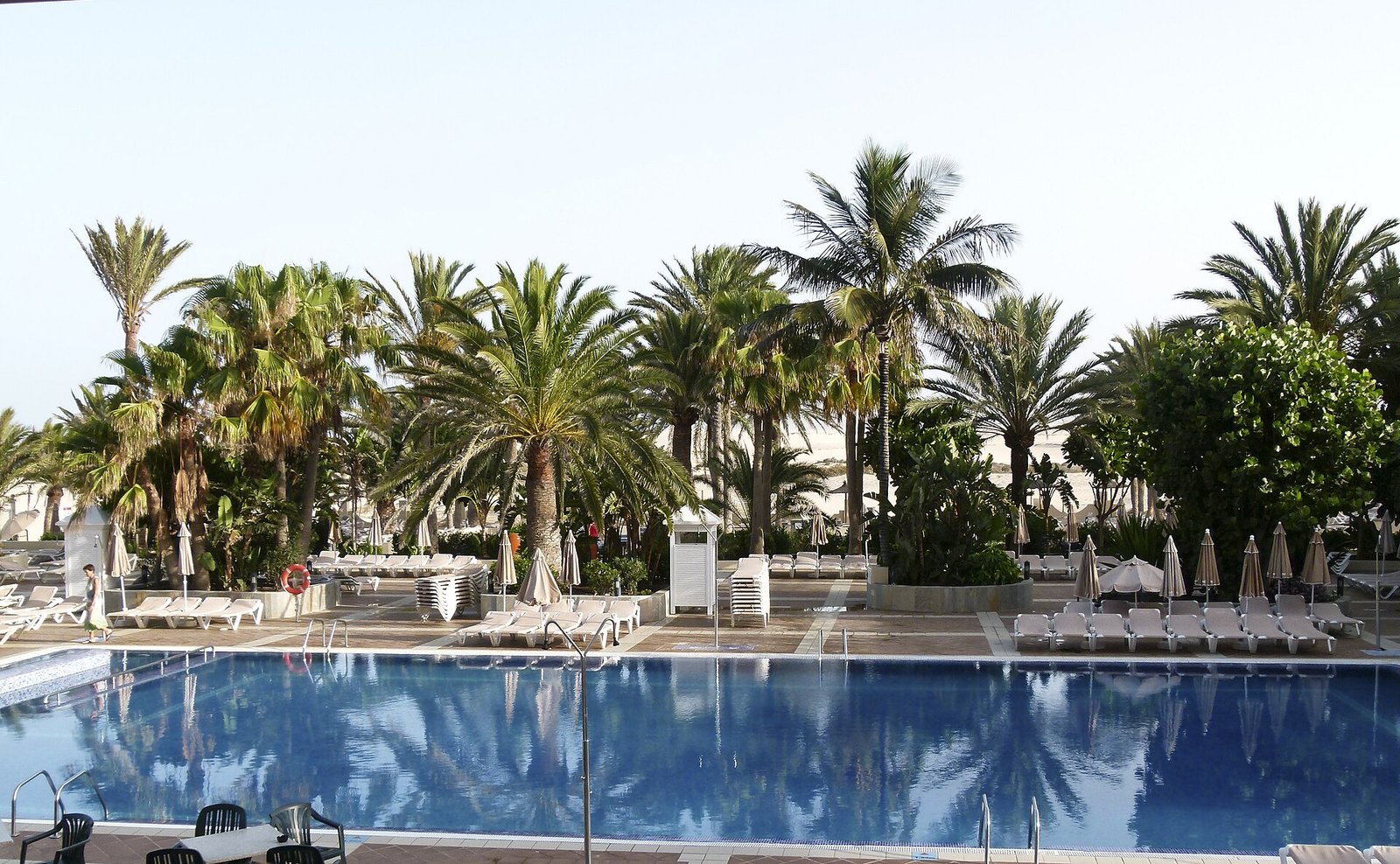
If you’ve been browsing for a holiday on Fuerteventura lately, you’ve probably noticed it: the days of snapping up a beachfront bargain feel like a distant memory. The island’s hotels and apartments are commanding higher prices than ever before. Yet, contrary to what you might expect, the beaches aren’t empty and the promenades are still buzzing. The story unfolding is far more interesting than a simple boom or bust.
Official data and sector forecasts paint a picture of an island that has reached a kind of mature equilibrium. Visitor numbers across the Canary Islands have softened slightly—overnight stays fell by about 4.5% in March 2025 compared to the previous year. But here’s the twist: total tourism revenue actually rose by 4% in the same period, reaching over €558 million. It’s a clear sign that the destination is successfully trading sheer volume for higher spending per guest, and Fuerteventura is at the very heart of this trend.
The Price Surge: What You’ll Actually Pay
Let’s talk numbers. Across the Canary Islands, the average daily rate (ADR) for a hotel room hit €132.44 in March 2025. In February, Canary hotels were already invoicing an average of nearly €157 per night, a jump of 3.6% from the year before. Fuerteventura, consistently ranked as the archipelago’s occupancy champion, is right at the upper end of this scale.
A look at what real travellers see on booking platforms confirms the trend. Average prices for a three-star hotel hover around $114 (about €105) per night, while a four-star property will typically set you back over $210. For a bit of luxury, five-star stays average close to $400. These are not official statistics, but they are a reliable mirror of market reality. A last-minute weekend escape can easily cost over £160 in a standard double room. The era of the ultra-cheap Canary Islands package is giving way to a more premium price tag, especially in prime coastal spots.
Occupancy: Not a Crash, but a Controlled Landing
With prices this high, you might assume tourists are staying away in droves. The data says otherwise. Fuerteventura is projected to lead all of Spain in hotel occupancy for 2025, with an expected rate of 86.2%. That’s significantly higher than the national average and even a touch above the Canary-wide forecast. During Easter week, regulated accommodation on the island was already more than 82% full, based on contracts with major tour operators and online travel agencies.
Marlene Figueroa, Fuerteventura’s tourism councillor, has described the situation as one where demand currently exceeds the available lodging offer. She notes that for the summer season, many areas are operating at around 90% to 95% capacity, with indicators “practically stabilised” compared to 2024. So, we aren’t seeing a dramatic drop. Instead, the island is bumping up against its own capacity limits. The slight dip in overall tourist numbers is being felt most sharply in the domestic Spanish market, while international flows remain robust.
A Shift in the North: Sports, Sea, and Space
While the big resort numbers dominate the headlines, a quieter transformation is underway in the north of Fuerteventura. The tourism councillor has pointed to a deliberate pivot in the area’s profile, moving away from pure family mass tourism towards a model built around sports and sea-based activities. Think surfers, windsurfers, and active travellers looking for more than a sun lounger.
This shift is partly a response to capacity pressures. The island’s economic model, where tourism accounts for roughly 70% of GDP, is incredibly sensitive to the limits of its infrastructure and environment. There is a growing awareness that simply adding more hotel beds is not sustainable, particularly in fragile coastal zones. While there is no official data yet confirming a net reduction in bed supply in the north, the qualitative change is real. The offer is being refined, and in some cases, this means a more curated, higher-value experience rather than endless expansion.
What This Means for Your Next Fuerteventura Holiday
For visitors, the new reality is a double-edged sword. On one hand, the island is investing in quality, and the high occupancy levels mean the atmosphere remains vibrant and services are in demand. On the other, your wallet will feel the difference. The days of abundant, rock-bottom last-minute deals are fading. The local strategy is explicitly to reduce dependency on volatile, price-sensitive markets like the traditional British package sector and to attract more diverse, higher-spending visitors from Germany, mainland Spain, and elsewhere in Europe.
This “value over volume” model means the island is monetising each tourist more effectively. Employment in the sector has even grown, adding about 100 jobs compared to 2024. For you, the practical takeaway is clear: expect to pay more, book earlier, and find an island that feels busy in the main resorts but is increasingly offering niche, high-quality experiences away from the traditional crowds. Fuerteventura is not becoming exclusive, but it is certainly becoming more discerning.
Common questions
- Are hotel prices on Fuerteventura really at a record high?
- Yes, official data shows hotel price indices up over 7% year-on-year, with average daily rates in the Canary Islands firmly above €130, and Fuerteventura at the top end.
- Is occupancy on the island falling sharply?
- No, it’s stabilising at a very high level. Fuerteventura is forecast to have the highest hotel occupancy in Spain at around 86%, with peak periods hitting 90-95%.
- Why are prices going up if fewer tourists are coming?
- The Canary Islands are seeing a slight dip in total visitor numbers but a rise in revenue. This means the destination is attracting fewer, but higher-spending, tourists.
- Is the north of Fuerteventura closing hotels?
- There is no official data confirming a net closure of beds, but the tourism model is shifting towards sports and sea-based activities, moving away from mass family tourism.
- Should I book my Fuerteventura holiday far in advance now?
- Absolutely. With sustained high occupancy and a focus on higher-value guests, early booking is the best way to secure a good rate and your preferred accommodation.
Read on
- Fuerteventura: Manga Festival 23–25 OctoberFuerteventura · 15 October
- Fuerteventura book fair runs to 18 Oct, free entryFuerteventura · 15 October
- Canary hotels: room rate up 6.74 per cent, occupancy down 0.20 pointsCanary Islands · 30 September
- 81 percent hotel occupancy on La Palma in August — and the lift came from abroad, not from MadridLa Palma · 23 September
- Fuerteventura: theft at Mirador Sicasumbre leaves no traceFuerteventura · 15 October
- All events on Fuerteventura →
Stand 17 July 2026. This analysis is based on official Canary Islands statistics, sector forecasts, and statements from the Fuerteventura tourism department. Exact island-level ADR and northern bed supply figures are not yet broken out in current public data.