If you have spent any time in Santa Cruz lately, you will have felt it: the city’s green buses, known locally as guaguas, are buzzing. The numbers now confirm that feeling. In the first six months of 2026, TITSA, the island’s public bus operator owned by the Cabildo de Tenerife, carried exactly 8,815,319 passengers on its urban routes within the capital. That is a solid 4.6 percent jump compared to the same period in 2025.
This is not just a statistical blip. It marks a new all-time high for a half-year period and continues a powerful upward trend. To put it in perspective, the entire urban network in Santa Cruz moved about 17.2 million people in the whole of 2025. The current pace suggests 2026 will comfortably smash that annual record. For a city of roughly 210,000 inhabitants, these figures tell a story of a profound shift in daily habits.
Why Everyone is Suddenly Taking the Guagua
The surge in passengers is not a mystery. It is the result of a deliberate, multi-layered strategy by the Cabildo de Tenerife and the Canary Islands government to get people out of their cars. The single most powerful magnet has been the introduction of free travel passes for residents. Since 2024, the ‘bono residente canario’ and specific passes for young people, seniors, and people with disabilities have been completely free of charge.
There is a clever catch, though, designed to encourage genuine, regular use. To keep the pass active and free, you must complete at least 10 trips in the 30 days before renewing it. If you fall short, the pass remains free if you have made at least 30 trips in the previous 90 days. This simple condition has turned occasional users into daily riders, weaving the guagua into the fabric of their routines. Across the whole island, more than 110 million passengers used TITSA buses and the tram in 2025, roughly double the levels seen in 2023.
More Than Just a Free Ride: A Growing Network
Free passes are the headline act, but they are supported by a quieter, structural improvement. The Cabildo has backed its green ambitions with significant investment in public transport. While specific new routes for early 2026 are not detailed, the overall trend is clear. TITSA’s island-wide passenger numbers grew by over 6 percent in 2025, adding roughly 5 million new journeys. This points to better frequencies, more reliable services, and a network that is genuinely becoming a more convenient alternative to the private car.
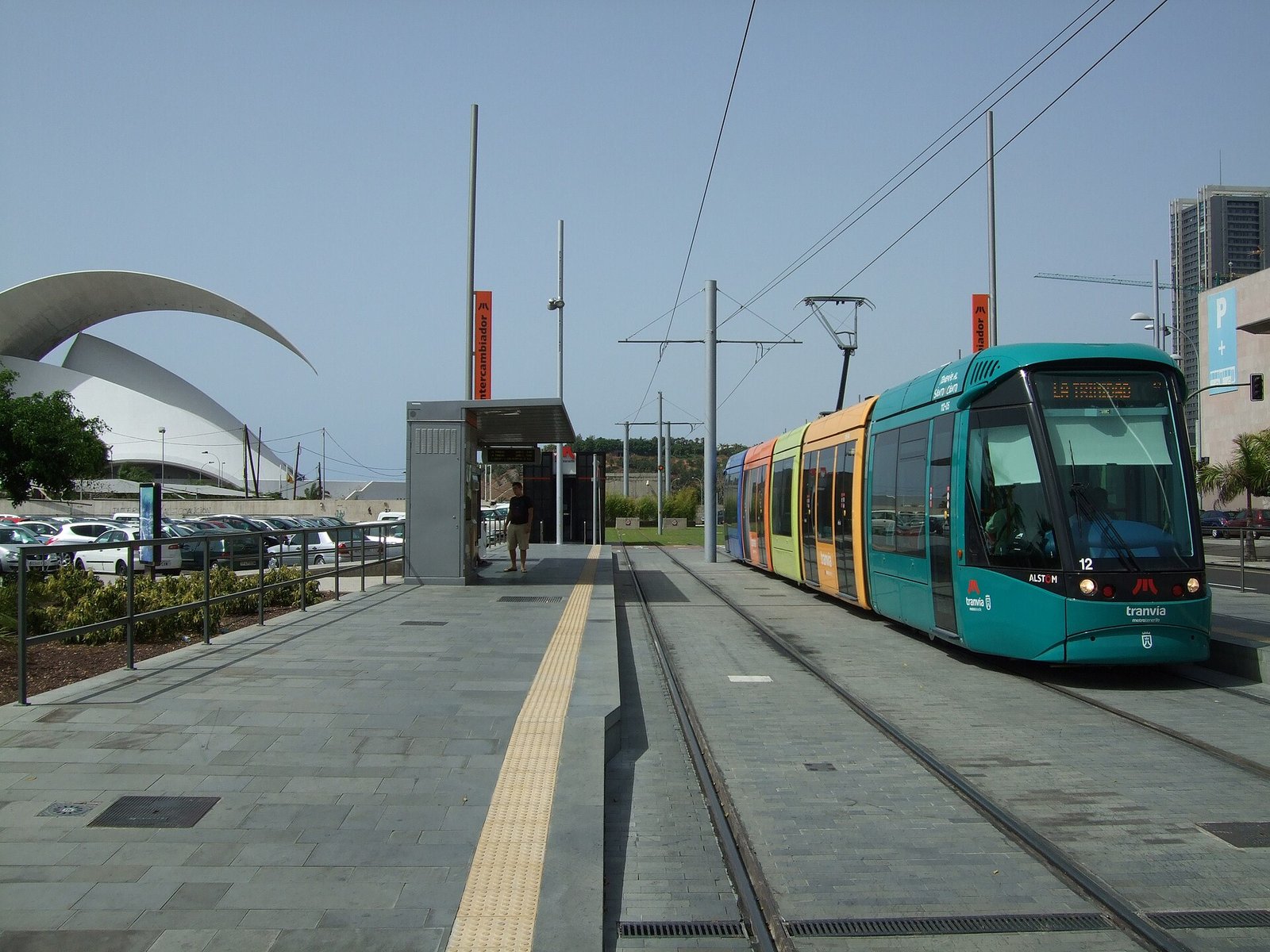
The integration with the Tenerife Tram, operated by Metrotenerife, is another crucial piece of the puzzle. The tram’s Line 1, which glides between Santa Cruz and the historic university city of La Laguna, is the backbone of the metropolitan corridor. The fact that the same free resident passes and the Ten+ payment system work seamlessly on both bus and tram creates a powerful, unified mobility ecosystem that is the envy of many larger cities.
A Quick Guide for Visitors and Newcomers
Navigating this system as a tourist or a newly arrived resident is surprisingly simple. The key is the Ten+ card or its digital sibling, the Ten+ móvil app. You can buy a physical card at tram stops, bus stations, and TITSA offices for a small fee of around 5 €. The app is free to download and lets you load money or travel passes instantly.
For a single hop on an urban bus in Santa Cruz, expect to pay around 1.25 € if you pay in cash. Using the Ten+ wallet, the price drops to about 1.05 €. The tram is similarly priced, with a single journey costing roughly 1.35 €. But the real value for explorers lies in the tourist passes. A 24-hour pass offering unlimited travel on all TITSA buses and the tram across Tenerife costs about 10 €. A 7-day version is available for around 50 €, making it an absolute bargain for anyone planning to explore beyond the capital.
If you are settling in and have your residency paperwork in order, the free ‘bono residente’ is your ticket to cost-free mobility. Just remember the minimum trip rule to keep it valid. The tram is often the fastest link between Santa Cruz and La Laguna, while the guaguas will take you everywhere else, from the city’s beaches to the remote villages in the Anaga mountains.
What This Means for the Future of Santa Cruz
The record-breaking numbers are more than a transport story; they signal a cultural change. A city once choked by traffic is slowly rediscovering the joy of shared, sustainable movement. For visitors, it means a more relaxed, authentic experience where you can watch the city’s life unfold through a bus window rather than from behind a rental car’s windshield. For digital nomads and new residents, it confirms that a car-free lifestyle in the capital is not just possible, but increasingly pleasant and practical.
The challenge for TITSA and the Cabildo will be to maintain this momentum. With more passengers comes the need for even more capacity and frequency. But for now, the message from the 8.8 million journeys made in the first half of 2026 is loud and clear: the guagua is back, and it is here to stay.
Common questions
- What exactly is a ‘guagua’?
- It is the local Canarian word for a public bus. When you hear ‘guagua’ in Tenerife, think of the green TITSA buses.
- Can I use the same ticket for the bus and the tram?
- Yes, the Ten+ card and app work on both TITSA buses and the Metrotenerife tram, making transfers seamless.
- How do I get the free resident travel pass?
- You must be officially registered as a resident in the Canary Islands. You can then apply for a ‘bono residente canario’ card and meet the minimum trip requirements to keep it active for free.
- Is the 7-day tourist pass really unlimited?
- Yes, the roughly 50 € weekly pass gives you unlimited journeys on all TITSA buses and both tram lines across the entire island.
- Do buses run late at night in Santa Cruz?
- Most urban lines run from about 5:00 to 23:00. The tram Line 1, however, operates all night on weekends and holidays.
Read on
- Tenerife ES-Alert volcano test on 22 OctoberTenerife · 20 October
- Tenerife: rain and wind inland on 20 OctoberTenerife · 20 October
- Canaries: Plenilunio ends with over three million effectCanary Islands · 5 October
- Canary economy 2026: 100 million-euro hotel on Fuerteventura, +12 percent ships in Santa CruzFuerteventura · 29 April
- Tenerife: La Oreja de Van Gogh in Adeje, from 50 eurosTenerife · 19 October
- All events on Tenerife →
Stand: 20 July 2026. All fare information is based on recent guides and may be subject to change. Please check the official TITSA and Ten+ websites for the latest prices.