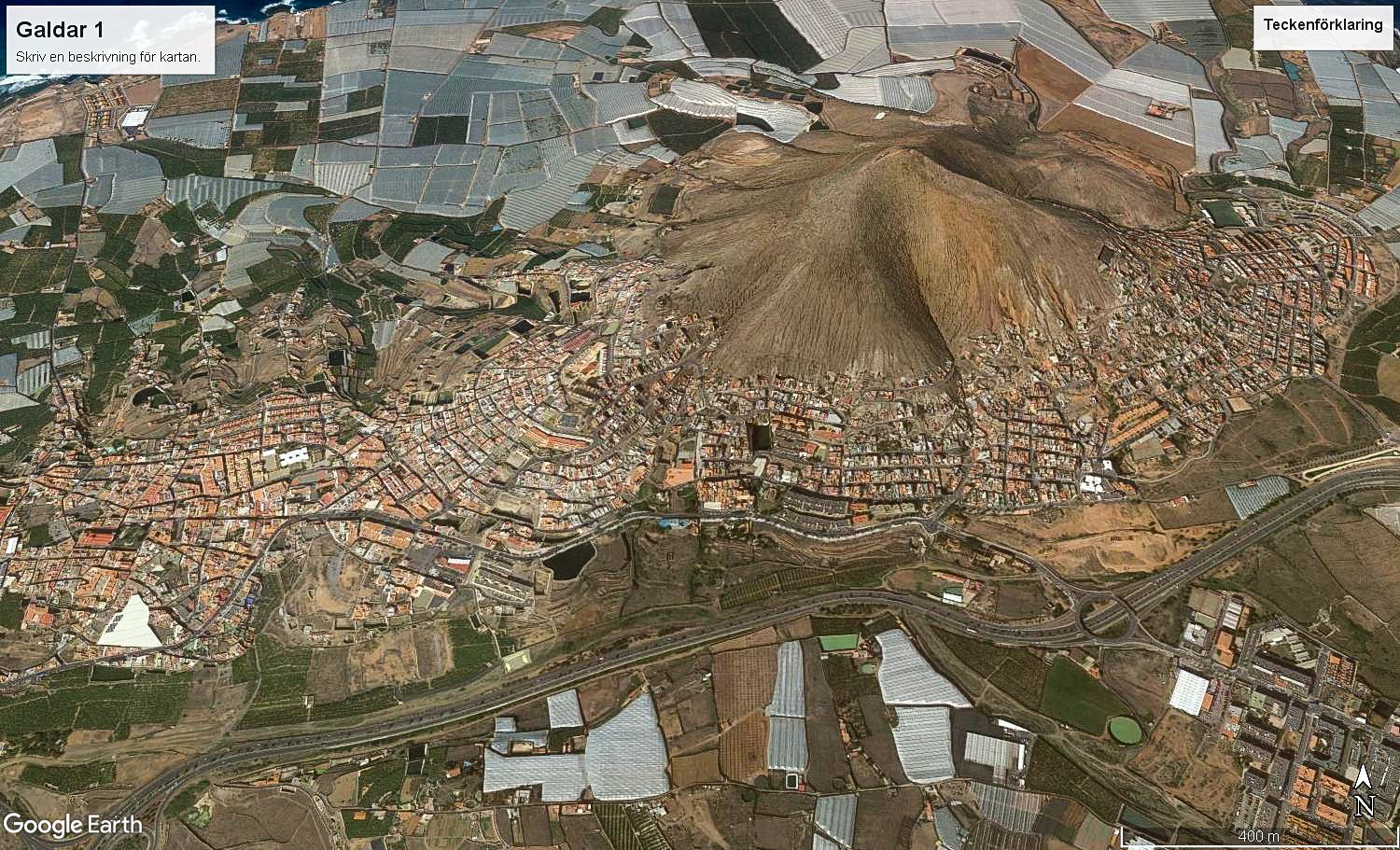
If you have ever driven up to the rugged, beautiful coastline of Punta de Gáldar, you might have noticed a modern complex standing against the Atlantic breeze. This is the Parque Científico Tecnológico, an experimental area dedicated to the circular economy. It is here, in this 30,000-square-metre space, that the Instituto Tecnológico de Canarias (ITC) has just opened a brand-new laboratory. The goal is ambitious yet grounded: to accelerate practical tech solutions for sectors that matter deeply to the Canary Islands.
While the ITC has long been a quiet engine of innovation from its main base in Las Palmas, this expansion into the north marks a deliberate shift. It brings research and development closer to the primary sector, to the agricultural heartlands and the small industries that form the backbone of the region. The new lab is not just a building; it is a bridge between high-level scientific research and the everyday challenges of local businesses.
A Scientific Park with a Mission
The laboratory is the latest piece in a much larger puzzle. The park itself, officially named the "Parque Tecnológico de Gran Canaria – Área Experimental de Economía Circular," has been growing steadily since 2021. Managed by the Mancomunidad de Ayuntamientos del Norte de Gran Canaria, it was designed from the start to be a collaborative hub. From its early days, the park has been anchored by research agreements with the ITC and the University of Las Palmas de Gran Canaria (ULPGC).
This is not a random collection of buildings. The park has a clear strategic goal: to diversify the economy of the north. For decades, this area has relied heavily on agriculture and fishing. By attracting experimental projects, startups, and companies focused on the circular economy, the park aims to create a new, knowledge-based economic pillar. The fact that it has been accepted as a member of the prestigious Asociación de Parques Científicos Tecnológicos de España (APTE) confirms its national relevance and the quality of its vision.
A Direct Line to Local Industry
What makes this new laboratory particularly interesting is its direct connection to the local fabric. The Gáldar town council recently declared the ITC a "medio propio personificado," a legal status that essentially makes the institute an in-house technical service for the municipality. This might sound like bureaucratic jargon, but it has a very tangible effect. It allows the council to commission the ITC directly for projects that modernize key local sectors.
One of the first beneficiaries is the iconic banana sector of Gáldar. An alliance has been forged to use the ITC's expertise to modernize banana production, making it more efficient and sustainable. This is a perfect example of the lab's purpose: taking high-tech solutions from a research environment and applying them directly to the fields and packing plants just a few kilometres away. It is technology with a very local flavour, designed to solve real problems for the neighbours.
Building for the Future
The opening of the ITC lab is part of a continuous growth plan for the park. The infrastructure is expanding to meet the demand for collaborative workspaces. Plans are already in motion for a new warehouse, financed by the Cabildo de Gran Canaria, which is expected to be built in 2025. This new space will provide additional workshops and project areas, further cementing the park's role as a cradle for innovation.
This physical expansion is a clear signal. It shows a long-term commitment from the island's government to support research and development outside the capital. By investing in Gáldar, they are betting on a more balanced model of development for Gran Canaria, one where a scientist in a lab coat and a farmer in a banana plantation can work hand-in-hand to build a smarter, greener future for the island.
Why This Matters for the North
For residents and businesses in the north of Gran Canaria, the presence of this laboratory is more than just a point of pride. It represents a tangible opportunity. The park is designed to be a magnet for startups and innovative companies, which in turn create high-quality jobs and attract talent to the region. It helps prevent the "brain drain" to Las Palmas or the mainland, offering local graduates a compelling reason to build their careers at home.
Moreover, the focus on the circular economy is perfectly suited to an island environment. Resources are precious, and waste management is a critical challenge. The research conducted here, from water treatment to sustainable materials, has the potential to generate solutions that can be exported to other islands and regions facing similar constraints. The lab in Gáldar is a small piece of a global movement, planted firmly in the volcanic soil of Gran Canaria.
Common questions
- Where exactly is the new ITC laboratory located?
- It is located within the Parque Tecnológico de Gran Canaria in the Punta de Gáldar area, postal code 35469.
- Can the public visit the new laboratory in Gáldar?
- Currently, there are no verified public visiting hours for this specific lab. General ITC visits are offered on Tuesdays.
- What is the main focus of the scientific park?
- The park is an experimental area dedicated to the circular economy, supporting research, startups, and business diversification.
- Who manages the technology park in Gáldar?
- It is managed by the Mancomunidad de Ayuntamientos del Norte de Gran Canaria, in collaboration with the ITC and ULPGC.
- How is the ITC helping local agriculture?
- The ITC has an alliance with the Gáldar council to modernize the banana sector using new technological solutions.
Read on
- Gran Canaria: Cheapest fuel on 13 October in Las PalmasGran Canaria · 13 October
- Gran Canaria weather 13 October: wet north, dry southGran Canaria · 13 October
- Tenerife Tech Boost: PLOCAN Drives AI & Blue Economy from New Park HubTenerife · 25 July
- Maspalomas Winter Pride: 2–8 November 2026Gran Canaria · 12 October
- Gran Canaria this weekend, 16–18 October: Miralta, Walking FestivalGran Canaria · 12 October
- All events on Gran Canaria →
Stand: 14 July 2026. This article is based on verified institutional data from the ITC, the Ayuntamiento de Gáldar, and APTE. Specific details of the new laboratory's inauguration are not yet publicly confirmed.