What changes for holidaymakers in La Oliva?
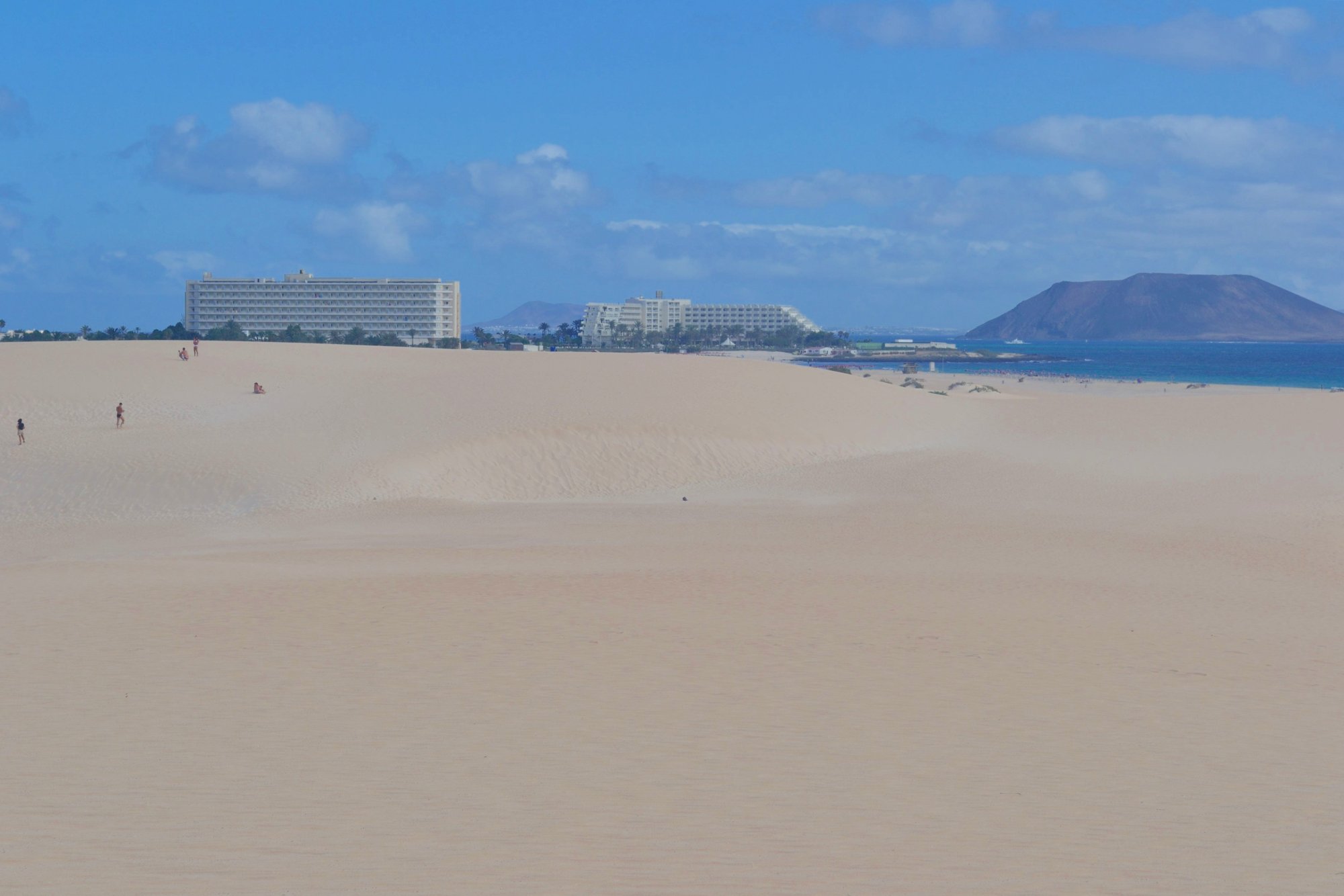
Anyone sleeping in tourist-approved accommodation or a holiday rental in La Oliva is set to pay. According to Diario de Fuerteventura, that covers hotels, apartments and holiday lettings; Corralejo and El Cotillo lie within this municipality.
In principle, the overnight guests owe the tax. The accommodation collects the 0.56 euros per person per night.
The accommodation records the overnight stays and exemptions and passes the money on to the town hall.
Who is exempt from the tax?
Children under three stay free of the new charge, according to Diario de Fuerteventura. People who can prove they are registered as residents in La Oliva are also exempt.
Anyone registered in La Oliva must prove it. The reports name no exemption for residents of other municipalities or other visitors.
The reports do not describe what proof is required at check-in.
How much does a stay actually cost?
The bill depends only on the number of people and nights, not on the price of the accommodation. Two paying guests staying seven nights would pay a total of 7.84 euros, as Diario de Fuerteventura calculates.
The accommodation is set to pay the town hall twice a year. Stays from 1 October to 31 March are settled from 1 to 20 April, and stays from 1 April to 30 September from 1 to 20 October.
Guests pay directly at the accommodation, which passes the amounts on twice a year.
What is the money meant to be used for?
The money is meant to fund municipal services that tourists use. According to Canarias7, these include beaches, emergency services, infrastructure, green spaces, water supply and cultural and sports events.
The town hall expects revenue of around 6 million euros a year, which Diario de Fuerteventura describes as an estimate by the governing group.
The reports do not say how many overnight stays underlie this estimate.
Why is the tax controversial?
Finance councillor Juan José Rodríguez argued that tourism should contribute to the cost of municipal services. According to PP spokesman José Vicente Calero Saavedra, however, an unfavourable report by the municipal treasurer (Tesorería) concludes that legally the charge is a tax, not a fee.
The PP also points to a ruling by the High Court of Justice of the Canary Islands (TSJC) that annulled the tourist tax of the municipality of Mogán on Gran Canaria.
In the full council, Coalición Canaria, PSOE and Nueva Canarias voted in favour. The PP voted against, and En Marcha abstained.
The business association ASOFUER opposes the tax. It plans to file objections during the consultation period and says it will go to the administrative and judicial route if the rules stay unchanged. According to the PP, amounts already collected could have to be repaid if a court later declared the tax unlawful.
When does the tax come into force?
The tax is not yet in force. The next steps are public consultation, possible objections and final publication.
According to Atlántico Hoy, publication in the Boletín Oficial de la Provincia (BOP) is to trigger an objection period of 30 working days. The reports do not say when it ends.
The municipality has not set a concrete start date. The final voting result after the public consultation and possible changes also remains open.