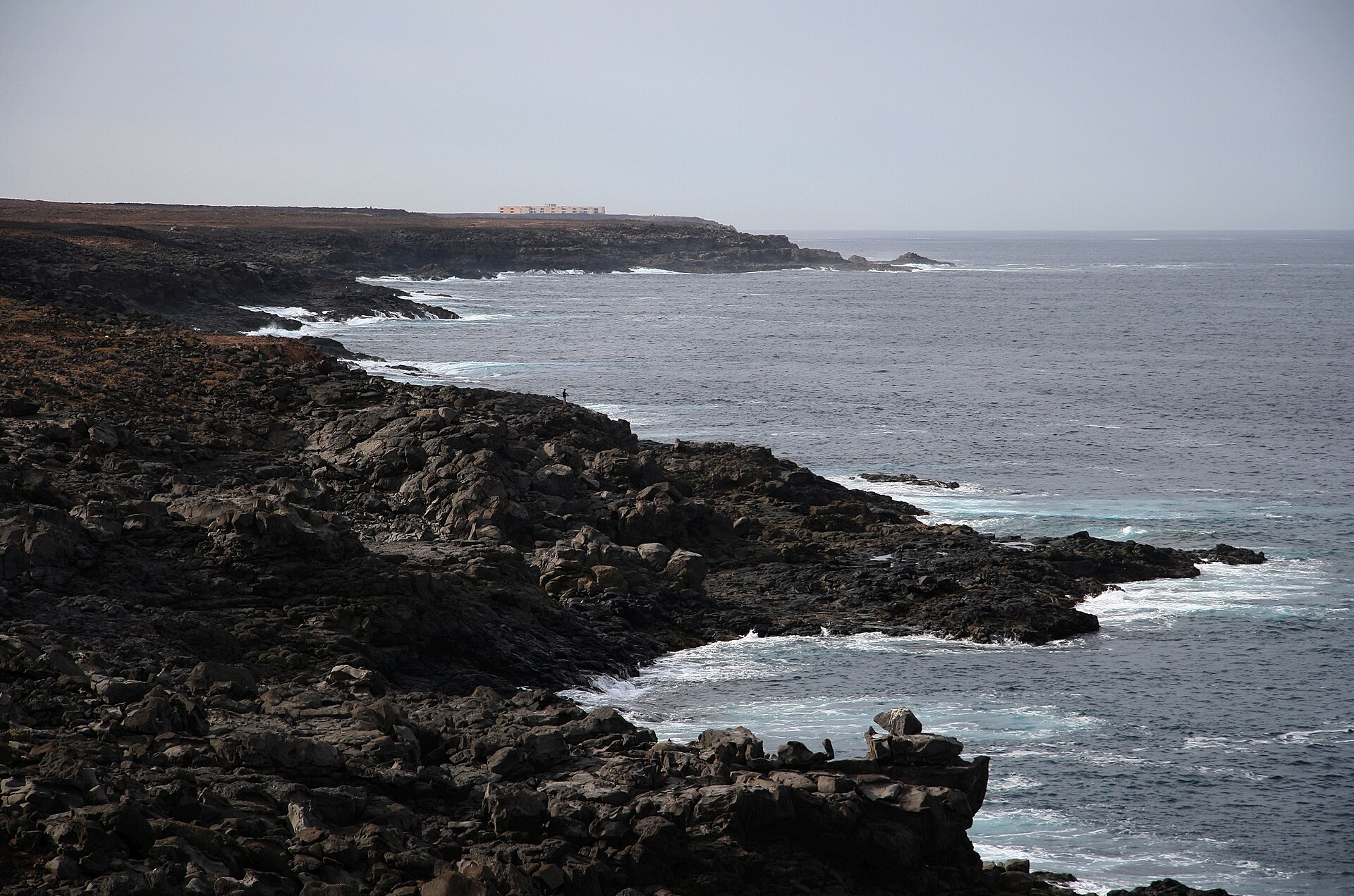
Which places are suitable for living on Lanzarote?
According to the official tourism information, Arrecife offers the largest urban infrastructure and the main public offices. The city is the central interchange point for the public bus network, the guaguas.
Playa Honda is close to the airport and the capital. Puerto del Carmen and Costa Teguise have many services and international amenities. Playa Blanca is an important residential and ferry location in the south with its own bus station.
Anyone who wants a quieter, more rural life will find suitable places in the island's interior and in the north, according to Turismo Lanzarote. However, fewer public transport connections should be expected there. Although the island is pursuing sustainable mobility and cycling projects, these do not replace the car everywhere.
How do you get to Lanzarote?
César Manrique-Lanzarote Airport (ACE) is located between Arrecife and Puerto del Carmen. Terminal 1 serves flights to mainland Spain and international connections.
According to Turismo Lanzarote, Terminal 2 is intended for scheduled inter-island flights. Fred. Olsen Express and Naviera Armas are named for connections to other Canary Islands.
The island of La Graciosa can be reached from the port of Órzola in the north of Lanzarote. The official tourism information names Líneas Romero as the operator. Timetables, vehicle transport and prices should be checked directly with the relevant operator.
Which public offices and registrations are required?
EU citizens generally need a valid identity card or passport to enter Spain. For a permanent move, the Spanish foreigner identification number NIE, registration with the municipality (empadronamiento) and, depending on the length of stay, registration as an EU citizen are also required.
Non-EU citizens need the appropriate Spanish residence or work permit before moving. The responsible bodies and requirements depend on the reason for immigration, such as employment, self-employment, study or sufficient financial means.
For registration, a rental contract or proof of ownership, identity documents and, where applicable, further evidence should be kept ready. The exact list of documents is determined by the relevant municipality. Work, tax, social security and health matters should be clarified with the responsible Spanish authorities.
How do you find work on Lanzarote?
According to Turismo Lanzarote, the local economy is strongly shaped by tourism and related services. For permanent work on Lanzarote, however, the same Spanish rules on employment contracts, social security and tax liability apply as in the rest of Spain.
Anyone working remotely for a foreign company or self-employed should check tax residency, social security, invoicing and possible double taxation before moving. A NIE alone is not a work permit and does not replace tax or social security registration.
For permanent living, Lanzarote is particularly attractive for people with location-independent income, retirement, tourism or service professions. Anyone who needs a large local labour market will usually find better conditions on Gran Canaria or Tenerife.
What climate can new residents expect?
July, August and September are described as the warmest and sunniest months.
According to Turismo Lanzarote, average figures there are around 12 hours of sunshine per day and daytime temperatures of approximately 27 to 29 °C. Lanzarote can generally be visited all year round. From a practical point of view, spring, autumn and winter are considered particularly pleasant times to travel.
Calima episodes can reduce visibility, bring dust into the air and intensify the heat. In such weather conditions, sensitive people should reduce physical exertion outdoors, keep windows closed and follow official weather and health advice. Current values and warnings: CITA weather (cita.news/de/wetter.html) and AEMET.
What rules apply on Lanzarote?
On roads in Spain, the limits are 120 km/h on motorways, 90 km/h on conventional roads and 50 km/h in built-up areas, and 30 km/h on single-lane urban streets, unless other signage applies. Seat belts, alcohol at the wheel and using a mobile phone without a hands-free device are checked and penalised.
In nature reserves, on beaches and in volcanic landscapes, paths, access routes, drones, bathing, camping, fires and entering certain areas may be subject to special rules. Before each visit, the current notices of the Cabildo (island government), the municipality or the responsible protected area authority should be checked.
Ecological protection is particularly relevant. Building, renovation, use and rental plans must therefore be checked with the responsible Ayuntamiento (municipal administration) or Cabildo before signing a contract.