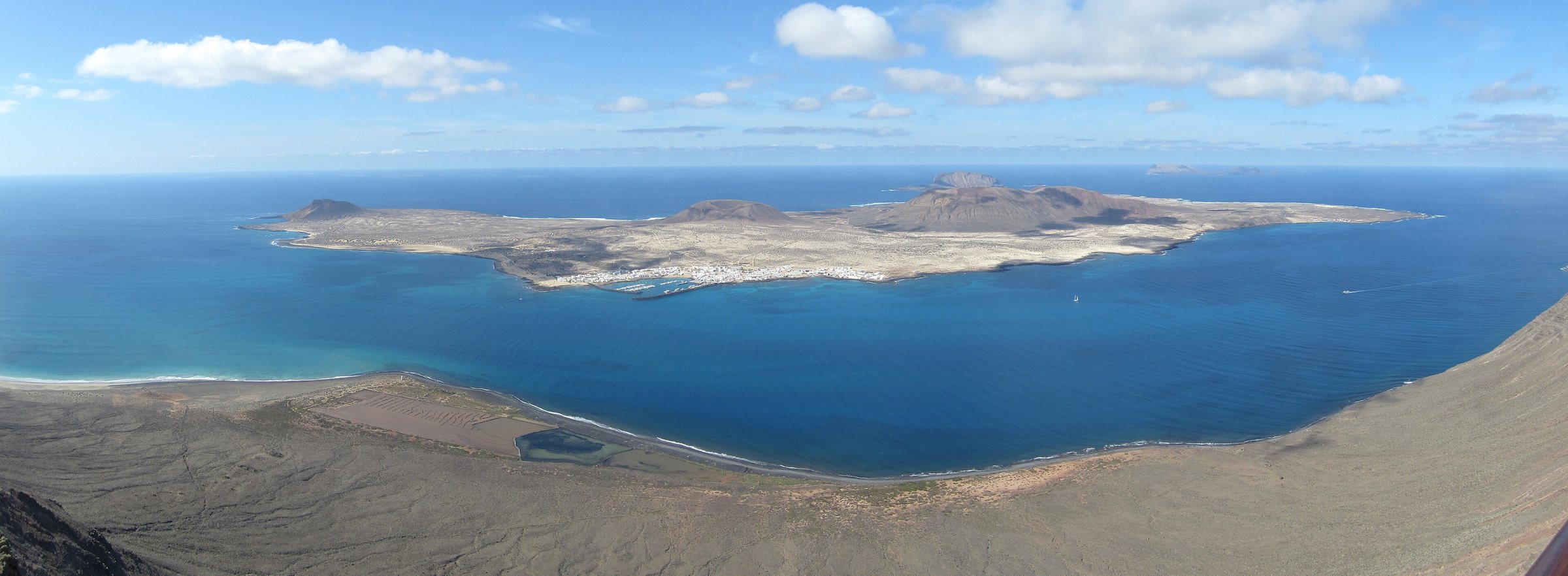
What applies on Lanzarote and La Graciosa?
The Canarian government has declared a pre-alert (prealerta) for Lanzarote, La Graciosa and Fuerteventura. Unlike five other islands, they are not on full alert.
The Dirección General de Emergencias, the Canarian government's emergency service, expects intense rain of 20 millimetres an hour or more on the three islands. It does not expect the lasting rain of the mountainous islands there.
The rain starts on La Palma overnight into Sunday. During Sunday 8 November it moves east and, according to the statement, reaches every island in the archipelago.
The statement gives no time window for Lanzarote and no warning level from the state weather service AEMET for the island. Anyone on the island should follow the weather service's warnings themselves.
What changes for visitors?
For Lanzarote, the statement of 6 November lists no closures, no school cancellations and no traffic restrictions. Visitors can plan as before, but should expect heavy showers.
That may change, because the declaration stays in force until a new announcement. The emergency service is monitoring the situation and will adjust conditions if needed.
The statement does not mention ferries to La Graciosa at all. No notice from the operators Líneas Romero and Biosfera Express for 7 to 9 November could be found, and neither could a sea-state warning.
On 15 February 2026, both operators cancelled all sailings to La Graciosa because of high seas. That was down to the sea, not rain alone, so anyone with a booked trip should check with the operator.
Where does the full alert apply?
The alert (alerta) covers El Hierro, La Palma, La Gomera, Tenerife and Gran Canaria from 21:00 on Saturday 7 November. The government relies on AEMET data and on the Canarian emergency plan for adverse weather, known as PEFMA.
On La Palma, 30 millimetres or more should fall in one hour and 100 millimetres or more in 12 hours. The statement calls the rain there particularly intense and lasting.
On El Hierro, La Gomera, Tenerife and Gran Canaria, the emergency service expects about 25 millimetres an hour. The rain there should last as long as on La Palma.
The statement names no specific disruption for any of the five alert islands. Anyone travelling between islands should ask the airline or shipping company, as the text says nothing about flights or roads.
How did earlier pre-alerts play out?
A pre-alert for Lanzarote, La Graciosa and Fuerteventura was already in force on 9 October 2026. The forecast then was 15 millimetres in an hour, while this time it is 20 millimetres or more.
Rain alerts applied to the western islands on 1 and 2 November. A report at the time expected no significant spread to Lanzarote and Fuerteventura.
In March 2024, Oswaldo Betancort, president of the Cabildo (island government), activated the island emergency plan PEIN by decree. On Friday 22 March 2024, outdoor sport, education and cultural activities stopped on Lanzarote and La Graciosa between 09:00 and 21:00.
During Storm Claudia in November 2025, classroom teaching was cancelled and Lanzarote's municipalities suspended outdoor activities. Both followed alert declarations, and no such steps are known so far on Lanzarote for Bruna.
Who decides, and what happens next?
Declaration 71/2026 comes from the Dirección General de Emergencias. It stays in force until the emergency service says otherwise, and no end date was given.
The emergency service can adjust the levels at any time. In the past, the Cabildo on Lanzarote introduced its own measures after the service's recommendations.
The statement urges residents to follow the emergency service's self-protection tips. During the March 2024 pre-alert, the authorities advised checking roofs, keeping supplies ready and following official channels.
In practice, keep an eye on AEMET warnings for Lanzarote and on announcements from the Cabildo and the Ayuntamiento (town hall). The emergency service gave no date for a reassessment up to Sunday.