Unions warn Guaguas Municipales is on the brink of collapse
The unions at Guaguas Municipales, the municipal bus company of Las Palmas de Gran Canaria, are sounding the alarm: the service is "on the brink of collapse" because of a shortage of staff and vehicles, with the workforce stretched to its limit. The warning was reported by the newspaper Canarias7 on 28 August 2026.
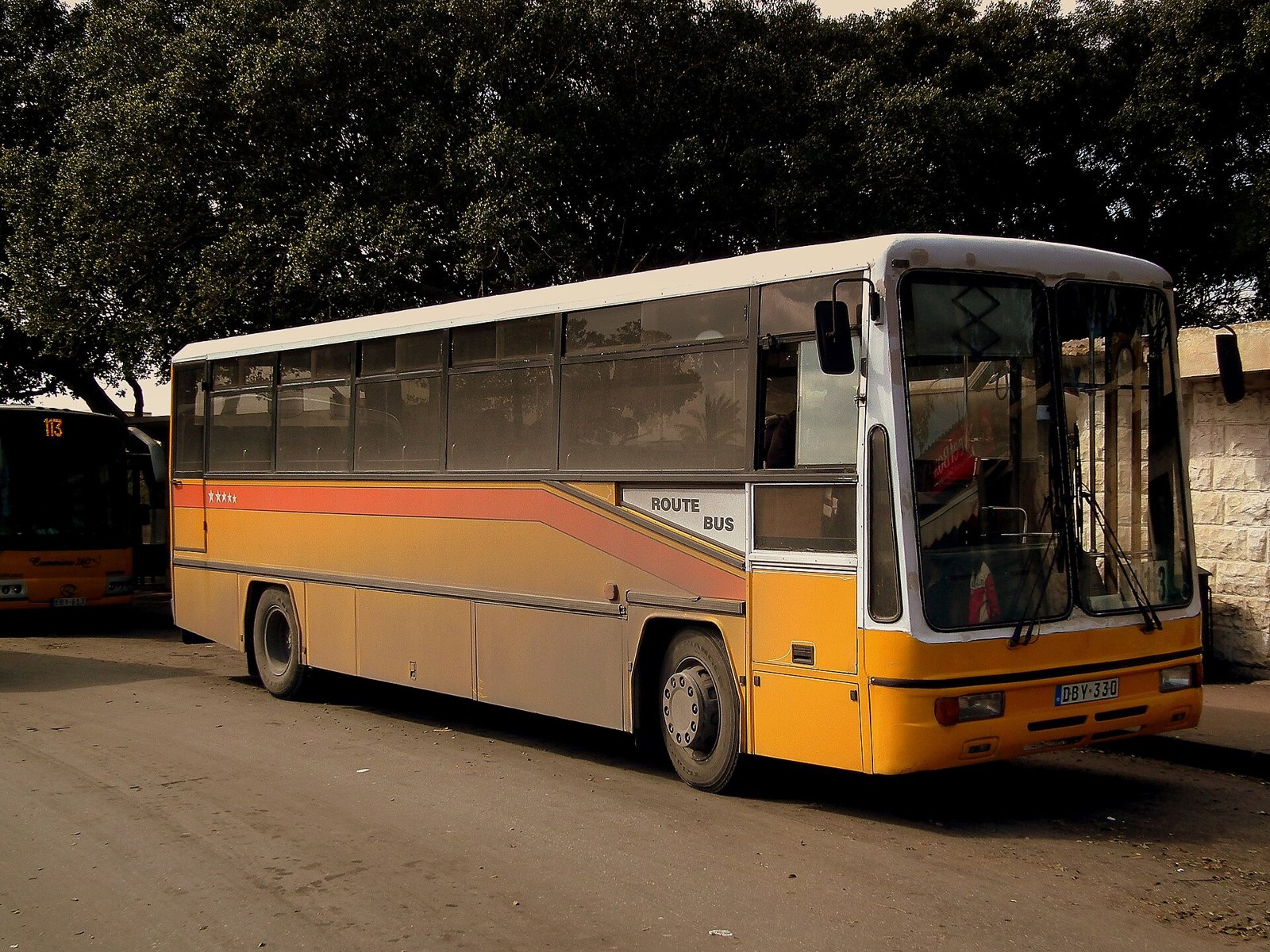
Photo: calflier001, CC BY-SA 2.0 (Symbolbild).
According to union estimates, the company would need around 150 more drivers and about 100 more vehicles to serve the city and cover its neighbourhoods properly. These figures come from the unions, not from official operational data.
The warning: "on the brink of collapse"
Union representatives describe the situation as "al borde del colapso" – on the brink of collapse. They point to a double shortage of staff and vehicles that leaves the remaining workforce stretched to breaking point. According to Canarias7, they warn the service cannot reliably meet the city's demand on this basis.
The phrasing is the unions' assessment, not an official statement from the company. The report does not say how many buses are currently in service or how many are off the road with breakdowns.
The gap: about 150 drivers and 100 buses
Specifically, the unions put the need at roughly 150 additional drivers and around 100 more vehicles. Only then, they argue, could the lines be reinforced enough to connect every part of the city properly. These are estimates from the workers' representatives.
The report gives neither the current number of buses in service nor how many vehicles are out of action due to faults. The figures should therefore be read as the scale of the extra capacity the unions are calling for, not as an audited stocktake of the fleet.
Why hiring is stuck: the replacement-rate cap
Among the main causes, the unions point to the state law on the "tasa de reposición de efectivos", the public-employment replacement-rate cap. This ceiling limits how many vacated posts can be refilled and, in the workforce's view, prevents them from reinforcing staffing fast enough.
Employees who leave or retire cannot be replaced quickly, the argument goes. Staffing stays thin while the demands on the network remain as high as ever, or higher.
Underserved neighbourhoods: the Jinámar example
The unions highlight districts that are poorly connected. As an example they cite Jinámar, which "has no lines despite being in the capital". Gaps like this hit hardest the people who depend on public transport.
For residents of the affected areas it means longer journeys, more transfers or longer waits. The shortage of staff and vehicles does not bite evenly, the unions say, but falls especially hard on particular neighbourhoods.
Roadworks as an aggravating factor – and what it means for passengers
On top of that, though not as the core cause, extensive roadworks are making things worse in August 2026. Work on the Guiniguada viaduct and closures on the GC-3 caused major tailbacks. Elsewhere, Canarias7 described a Line 12 trip from San Telmo to Mesa y López taking up to 45 minutes.
For passengers, that means journey times are hard to predict right now and some connections can take much longer than usual. Anyone relying on the guagua should allow extra time in these weeks and keep an eye out for possible line or route changes.
On connections such as Line 12 between San Telmo and Mesa y López a single trip can take much longer than usual – set off early and factor in transfers.
The Canarias7 report gives neither the current number of buses in service nor how many vehicles are off the road with breakdowns.
Key facts
- Warning: Guaguas Municipales, the municipal bus company of Las Palmas de Gran Canaria, is "on the brink of collapse" (unions, via Canarias7, 28 August 2026)
- Estimated extra need: around 150 more drivers and about 100 more vehicles (union estimate)
- Cited cause: the state replacement-rate cap ("tasa de reposición de efectivos"), which the unions say prevents fast reinforcement of staff
- Underserved district: Jinámar "has no lines despite being in the capital"
- Aggravating context: works on the Guiniguada viaduct and GC-3 closures caused major tailbacks; a Line 12 trip from San Telmo to Mesa y López took up to 45 minutes
- Unstated: the current number of buses in service and how many are out of action due to faults
FAQ
- What are the unions warning about at Guaguas Municipales?
- They warn the service is "on the brink of collapse" because of a shortage of staff and vehicles, with the workforce overstretched (via Canarias7).
- How many drivers and buses are missing, according to the unions?
- By their estimates the company would need around 150 more drivers and about 100 more vehicles. These are estimates, not official operational data.
- Why can't the company simply hire more staff?
- The unions mainly blame the state replacement-rate cap ("tasa de reposición de efectivos"), which they say prevents them from reinforcing the workforce fast enough.
- Which neighbourhoods are most affected?
- Among others, Jinámar, which "has no lines despite being in the capital". Gaps like this hit hardest the people who have no car of their own.
- Do the roadworks play a part?
- Yes, as an aggravating context, not the core cause. Works on the Guiniguada and the GC-3 caused tailbacks; a Line 12 trip took up to 45 minutes.
Read on
- Gran Canaria: Cheapest fuel on 13 October in Las PalmasGran Canaria · 13 October
- Gran Canaria weather 13 October: wet north, dry southGran Canaria · 13 October
- Guaguas Municipales: court finds indirect gender discrimination in driver hiringGran Canaria · 25 August
- Maspalomas Winter Pride: 2–8 November 2026Gran Canaria · 12 October
- Gran Canaria this weekend, 16–18 October: Miralta, Walking FestivalGran Canaria · 12 October
- All events on Gran Canaria →