Guaguas Municipales: court finds indirect gender discrimination in driver hiring
The Juzgado de lo Social nº 4 (a first-instance labour court) in Las Palmas de Gran Canaria has ruled that the municipal bus company Guaguas Municipales committed indirect gender discrimination in a selection process for drivers and preceptores (on-board fare inspectors). The daily La Provincia reported this on 22 August 2026.
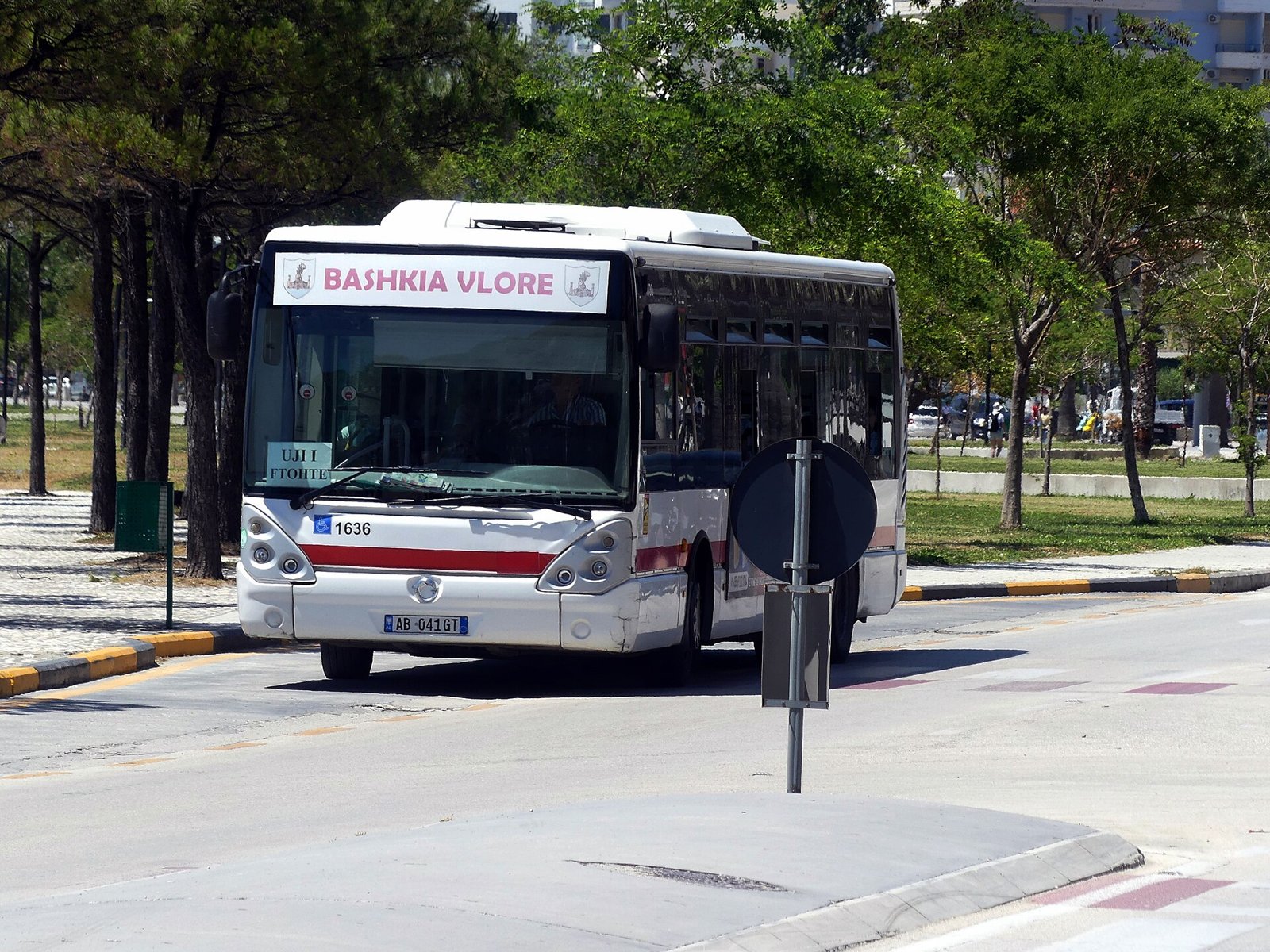
Photo: Zalasem1, CC BY 4.0 (Symbolbild).
At the heart of the case was a de-facto minimum height of 1.60 metres, applied to a female applicant who is 1.50 metres tall. The court awarded the woman €10,000 in compensation. Out of respect for those involved, no name is given here; the source does not name her either.
The ruling
According to La Provincia, the Juzgado de lo Social nº 4 of Las Palmas de Gran Canaria found that the selection process for conductores y preceptores — that is, for bus drivers and on-board inspection staff — involved indirect gender discrimination (in Spanish, discriminación indirecta por razón de género).
The decisive point was a height requirement that ruled the applicant out. The court concluded that this requirement harms women more severely (in Spanish, perjudica más gravemente a la mujer) and therefore breaches the guarantee of equality in access to employment.
The core issue: the 1.60-metre minimum height
According to La Provincia, in practice a minimum height of 1.60 metres was required and applied to an applicant who is 1.50 metres tall. One detail is central: this height requirement did not appear in the selection rules (in Spanish, bases de la convocatoria) and was not set down in writing.
A rule like this looks gender-neutral at first glance, because it applies to everyone. But since women are, statistically, more often shorter, a minimum height excludes proportionally more women. That, according to the ruling, is precisely where the indirect discrimination lies.
€10,000 in compensation and Article 14 of the Constitution
The court awarded the applicant €10,000 in compensation, according to the report. Legally, the ruling rests on Article 14 of the Spanish Constitution, which guarantees equality before the law and prohibits discrimination — including on grounds of sex.
In the court's view, that guarantee of equality in access to employment was breached because an undocumented requirement affected women more heavily. The €10,000 figure applies to this individual case alone.
The background: the July 2024 process
The selection process was called in July 2024, according to La Provincia. It was meant to cover the temporary need for driving staff and preceptores over 2024 and 2025.
At the same time, it was to create a job pool (in Spanish, bolsa de empleo) of up to 200 candidates, from which Guaguas Municipales could draw as needed. It was in this framework that the woman at the centre of the case applied.
First instance — the ruling can be appealed
An important point for context: this is a ruling by a Juzgado de lo Social, that is, a court of first instance. Such rulings can, as a rule, be challenged through an appeal.
Whether Guaguas Municipales or the city will appeal is not stated in the source. La Provincia also does not report any response from the company or the city to the ruling.
Unlike direct discrimination, the rule does not mention sex explicitly; what matters is its unequal impact.
No response from Guaguas Municipales or the city of Las Palmas de Gran Canaria is reported in the source. All details rest on La Provincia of 22 August 2026.
Key facts
- Court: Juzgado de lo Social nº 4 of Las Palmas de Gran Canaria (first instance), per La Provincia of 22 August 2026
- Outcome: indirect gender discrimination in the Guaguas Municipales selection process for conductores y preceptores
- Trigger: a de-facto minimum height of 1.60 metres, applied to an applicant who is 1.50 metres tall
- Court's criticism: the height requirement did not appear in the bases de la convocatoria and was not documented in writing
- Compensation: €10,000 for the applicant; the legal basis is Article 14 of the Spanish Constitution
- Background: a process called in July 2024 for the 2024–2025 need and a job pool of up to 200 people
FAQ
- What is the ruling about?
- The Juzgado de lo Social nº 4 of Las Palmas de Gran Canaria has ruled, according to La Provincia, that Guaguas Municipales committed indirect gender discrimination in selecting driving staff and preceptores, and awarded the applicant concerned €10,000.
- What was the specific requirement?
- A de-facto minimum height of 1.60 metres, applied to an applicant who is 1.50 metres tall. According to the findings, it did not appear in the selection rules and was not set down in writing.
- Why is that discrimination?
- Because a minimum height excludes proportionally more women. The court saw this as indirect discrimination that harms women more severely and breaches Article 14 of the Spanish Constitution — equality in access to employment.
- Is the ruling final?
- No. It is a first-instance decision (Juzgado de lo Social) that can, in principle, be appealed. Whether an appeal will be lodged is not stated in the source.
- How did Guaguas Municipales respond?
- The source reports no statement from the company or the city. No response is therefore known.
Read on
- Gran Canaria: Cheapest fuel on 13 October in Las PalmasGran Canaria · 13 October
- Gran Canaria weather 13 October: wet north, dry southGran Canaria · 13 October
- Unions warn Guaguas Municipales is on the brink of collapseGran Canaria · 28 August
- Maspalomas Winter Pride: 2–8 November 2026Gran Canaria · 12 October
- Gran Canaria this weekend, 16–18 October: Miralta, Walking FestivalGran Canaria · 12 October
- All events on Gran Canaria →