Taxi to the airport: a €40 fare cap for Las Palmas de Gran Canaria
Taxi drivers in Las Palmas de Gran Canaria have backed a maximum fare of €40 for trips between the city and Gran Canaria airport, rising to €45 at night or on public holidays. The move was reported by the newspaper Canarias7 on 19 August 2026 in an article by David Ojeda Merino.
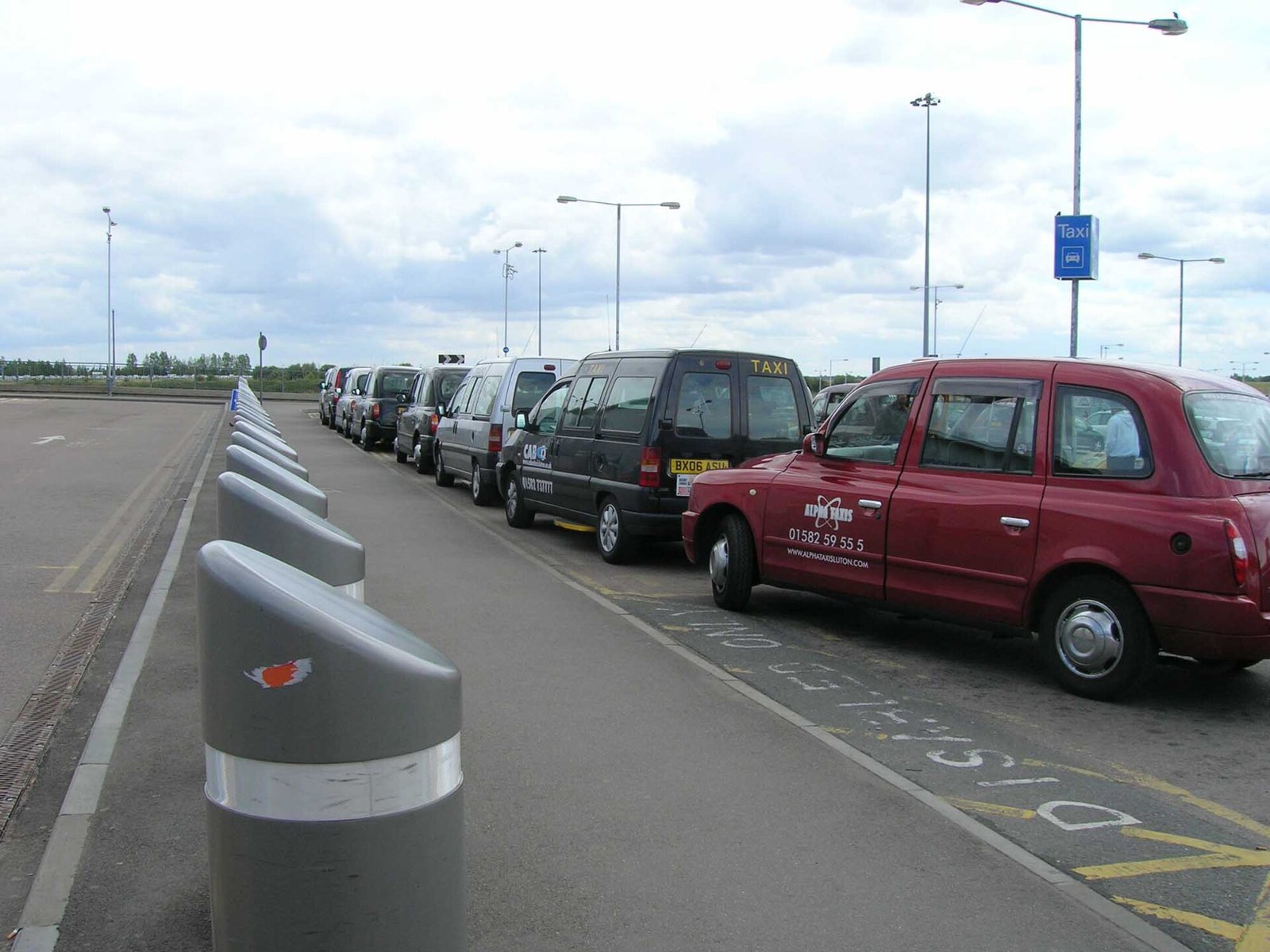
Photo: David P Howard, CC BY-SA 2.0 (Symbolbild).
One detail matters above all: this is a ceiling, not a fixed flat fare. The meter still sets the actual price; it simply cannot go above the cap. The tariff is also not yet in force. So far it has only been endorsed in a non-binding survey and still needs a formal ballot and official approval before it can apply.
What was agreed
According to Canarias7, the city's taxi trade favours a maximum price of €40 for the run between Las Palmas de Gran Canaria and the airport, with the ceiling rising to €45 at night and on holidays.
The nature of the figure is the key point. It is a cap, not a single set price. A shorter trip within the city would still cost the lower amount shown on the meter. The €40 marks only the maximum that can appear on the fare display for the airport route.
Why the drivers reject a single flat rate
The proposal follows the taxi representatives' rejection of a single flat rate floated by the regional government, Canarias7 reports. Their argument is that the city is geographically too spread out to price every journey the same way.
"No es lo mismo llevar un pasajero desde la zona Puerto que desde Siete Puertas," the drivers are quoted as saying – carrying a passenger from the port area is not the same as from Siete Puertas. A capped maximum, they argue, reflects those differences while still giving passengers a clear upper limit on the price.
How the vote worked and what is still missing
So far the backing rests on a non-binding digital survey. According to Canarias7, 596 licence-holders took part, or 37.25 percent of the roughly 1,600 active city licences. Of those who voted, 63.76 percent were in favour: 380 for and 216 against.
That does not settle the matter. A later in-person ballot with ballot boxes must validate the result first. Only then would it be taken to the regional government's transport department to negotiate how it is implemented. In other words, the cap is not yet in force and still needs official sign-off.
Criticism and background
Turnout below 50 percent raises questions about how representative the result is, the report notes. Drivers also criticised being notified by WhatsApp, which many felt was too informal for such an important decision.
Behind it all sits pressure from VTC firms such as Uber and Cabify, which are drawing passengers away from traditional taxis. The debate is not new either: back in 2022, Canarias7 recalls, a €30 cap was floated.
What it means for passengers and tourists
For travellers, and especially for visitors who do not know the city, a maximum fare promises predictability above all: you would know in advance that the ride from the airport into town will not exceed a set amount.
At the same time, expectations should be tempered. The cap is a maximum, not a fixed price, and it has not yet been approved. Until the formal ballot and the regional government's green light, the current metered system remains the rule.
Board an official city taxi at the rank, keep an eye on the running meter, and if in doubt ask roughly how long the trip should take before you set off.
Key figures
- City–airport cap: €40, rising to €45 at night and on holidays (a maximum, not a flat fare; per Canarias7)
- Survey: 596 licence-holders took part, 37.25 percent of about 1,600 active city licences
- Result: 63.76 percent in favour – 380 for, 216 against
- Turnout below 50 percent; notifying drivers by WhatsApp was criticised
- Next steps: an in-person ballot, then approval by the regional government's transport department
- A €30 cap was floated back in 2022; pressure comes from VTC firms such as Uber and Cabify
FAQ
- How much would a taxi to Gran Canaria airport cost at most?
- Up to €40, rising to €45 at night and on holidays, for the trip between Las Palmas de Gran Canaria and the airport, according to Canarias7.
- Is it a fixed flat fare?
- No. It is a ceiling. The actual price is still set by the meter and simply cannot exceed €40, or €45 at the higher times.
- Does the tariff already apply?
- No. So far there has only been a non-binding survey. An in-person ballot and approval by the regional government are still pending.
- What did the survey show?
- 596 licence-holders took part (37.25 percent of around 1,600), and 63.76 percent were in favour: 380 for and 216 against.
- Why do drivers reject a single flat rate?
- They consider the city too spread out for one uniform price; a trip from the port area is not the same as one from Siete Puertas.