What is happening on Montaña de Guaza in Los Cristianos?
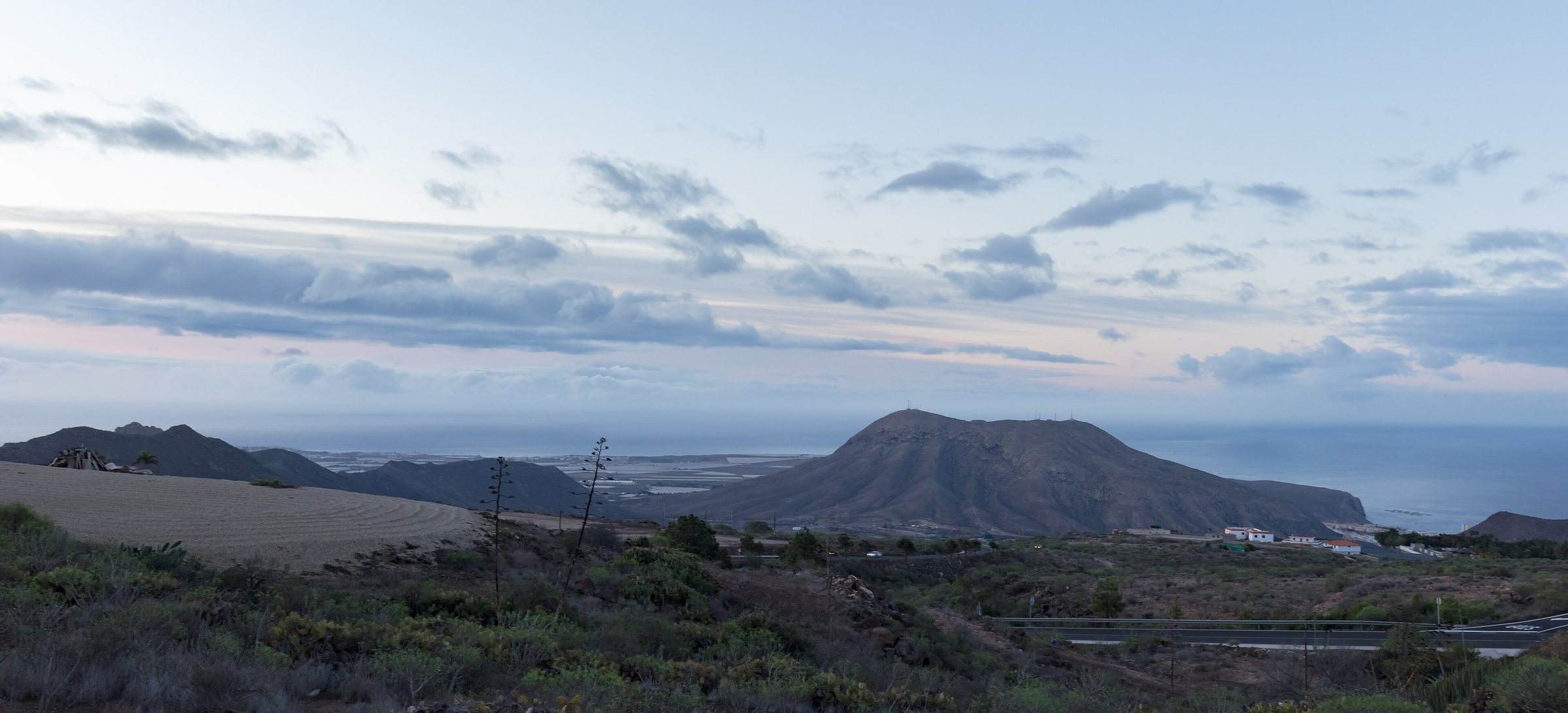
About 60 people live at the top edge of Los Cristianos in huts, pallet shacks and tents. The site lies on the slope of Montaña de Guaza, where building stops and open countryside begins.
Villas on Avenida Ámsterdam and apartments on Calle Santa Rosa and Calle El Rodeo stand right beside it. According to the report of 6 November 2026, the settlement is becoming more established.
Ashotel president Jorge Marichal warned in March 2026 that within a year “a favela in Los Cristianos” would emerge. Eight months later, the settlement is still growing.
What does this mean for residents and visitors?
Officially, nothing changes: there are no new rules, deadlines, fines or application procedures for this settlement. The research found no official warning for holidaymakers.
Resident Andrea Hernández complains of rubbish, poor hygiene, smells and fires at night. She also says the authorities have barely responded.
A local shop owner claims some residents steal alcohol from his shop. That is his claim, and the authorities have not confirmed it.
The residents' group “Ciudadanos de Los Cristianos” started a petition on the official website on 4 July 2026. When it was read, it had 314 of its 500 target signatures, and the count may be higher now.
The petition names the complexes Parque Tropical I and II and La Graciosa I, II and III. It alleges attempted car thefts, recurring hillside fires and falling property values, and no official reply is recorded.
Neighbours can so far only complain to the council. The research found no legal route and no compensation.
Who is responsible for the settlement?
The planning department (Urbanismo) of the Ayuntamiento (town hall) of Arona does not see upkeep of the land as its duty. Councillor Javier Baute says it may act only on buildings or earthworks.
The structures are currently not fixed to the ground, only pallets and tents. Urbanismo has therefore passed the file to the environment department (Medio Ambiente), which handles hygiene and cleaning.
Baute stresses that the landowner must keep the plot clean. He acknowledges the complaints of affected neighbours and calls the situation “a problem that overwhelms all of us in the south”.
The Canary Islands nature protection agency (Agencia Canaria de Protección del Medio Natural) told the council that such settlements do not fit the classic category of a planning offence. Plot divisions with building work and new paths, by contrast, count as an offence.
Other occupations are met not with a penalty but with a council intervention focused on social needs, which often remains limited. Who owns the plot and how it is classified is not yet known.
What about Los Vivitos on the other side of the mountain?
According to earlier reports, Los Vivitos lies above Guaza beside the TF-1 motorway and is older and more established. About 200 people lived there in February 2026.
Arona is handling 107 proceedings there to restore legality, and 96% have already been served. Most structures are shacks or unconsolidated buildings.
On 21 July 2026 the Policía Local (local police) inspected more than 60 structures and recorded almost 100 people. Many dwellings were sealed, and the latest report cites 17 of almost 100.
Residents say they stay because they have nowhere else to go and housing is too expensive. For now, nobody is clearing the settlement.
Arona wants to check whether the buildings are illegal, and Baute said a demolition order would be the first in the council's history. How the camp in Los Cristianos relates to Los Vivitos is open.
How big is the problem in Arona, and what happens next?
In July the council presented a study by Cáritas Diocesana de Tenerife. It counted about 390 people in extreme housing need and 22 informal settlements, most of them on the coast.
Almost 90% have practically no shelter, and almost 78% receive neither benefits nor a pension. At least one chronic illness affects 58.1%.
Other coverage in July put the figure at about 300 people in extreme need. The gap with the 390 counted by Cáritas could not be explained.
Arona asked the Canary Islands government, the Cabildo (island government) and the state for money and cooperation. No reply is known, and there is no date for clearance or cleaning.
The next steps are the environment department's review and the pending funding request. No decisions by the Cabildo, the Canary Islands government or the courts exist so far.