What changes for visitors and residents in the Canary Islands?
As far as our research shows, nothing changes for the Canaries, because the clearance affected Madrid only. Canarias7 ran the report as an agency text in its national politics section, and we found no Canary link.
None of the sources we checked mentions deadlines, fines, prices or eligibility rules. Participants from the islands, or any tie to the housing situation in the Canaries, are not documented either.
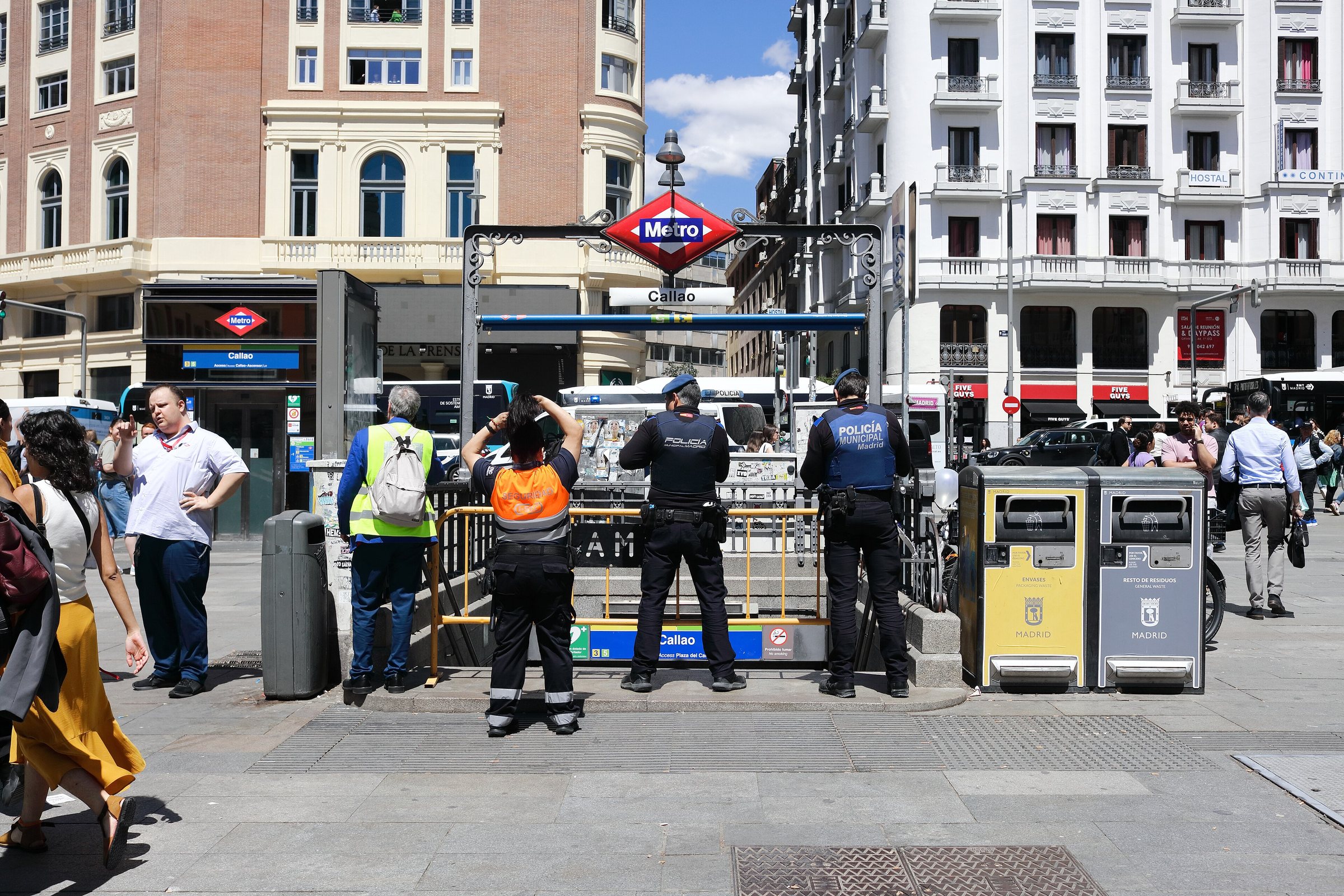
Anyone travelling to Madrid in the coming days can expect a police presence around the Puerta del Sol. We found no official closure, and the Delegación del Gobierno (the central government's office in Madrid) gives current advice.
What happened on the Puerta del Sol overnight into Tuesday?
The Delegación del Gobierno en Madrid and the Policía Municipal cleared the camp overnight into Tuesday 3 November 2026. According to Canarias7, 334 people were still there, and two of them were arrested for disobedience and resisting police.
The Delegación lists 220 Policía Nacional officers and 180 from the Policía Municipal, plus firefighters and social services. The camp had stood for 38 days, since 26 September.
Both sides dispute whether force was used. The group Acampada 26S reports injuries from blows and pepper spray, while the Delegación says the clearance went ahead “without violence”.
The names of the two people arrested have not been published. It is also unclear whether they were released or brought before a judge, and how many people were injured.
Why did the authority break up the camp?
The Delegación, which Canarias7 says Pilar Trinidad heads, calls the clearance a “last resort”. It says it followed a gradual process, and that the protests had lost their original character and disturbed public order.
The organisations behind the camp had withdrawn, it says, and many people sleeping there were now homeless or especially vulnerable. It adds alleged crimes in and around the camp, which police chiefs reported; the source does not prove them.
The then government delegate Francisco Martín wrote to the campers on 26 October that the time allowed had been “reasonable”. A second request followed on 29 October, asking them to dismantle the camp quickly.
On 30 October the camp's spokespeople announced that all organising committees had been dissolved. A “residual group” still refused to leave the square.
How did the camp and the court dispute come about?
The trigger was the eviction of 87-year-old María del Carmen Abascal, known as Maricarmen. She collapsed during the operation and was taken to hospital, a mass demonstration followed, and Euronews reports about 150 tents stood on the square at first.
The regional president, Isabel Díaz Ayuso, gave the central government a 48-hour deadline on 29 September. Madrid's mayor, José Luis Martínez-Almeida, also demanded the clearance, and on 1 October the regional government went to court.
On 5 October the Tribunal Superior de Justicia de Madrid (TSJM, the region's high court) refused an immediate clearance. It wanted to hear the Delegación first, to protect the right of assembly and avoid irreversible harm from police violence.
On 12 October campers clashed with far-right groups, a police officer was injured and two people were arrested. That is a different incident from the arrests of 3 November.
What happens after the clearance?
According to Canarias7, the organisers had announced a “mudanza”, a move of the movement into the city's neighbourhoods. Dates for new actions or another court case are not known.
Whether the housing decree promised by Pedro Sánchez exists, and what it contains, is also unconfirmed.
The housing crisis, which Canarias7 names as the reason for the protest, therefore remains unresolved. This report brings no new rules and no new dates for the Canaries.