On the face of it, the numbers sound almost too good to be true. Puerto de la Cruz, the venerable northern resort that has sometimes been written off as a faded beauty, welcomed 81,829 travellers in June. That is 4,572 more than in the same month last year, a jump of nearly six percent. Over the same period, the entire island of Tenerife recorded a net gain of 4,281 travellers. Do the maths and the municipality’s increase alone outstripped the island’s total growth by 291.
Nobody is seriously suggesting that Puerto de la Cruz single-handedly carried Tenerife’s tourism in June. The island-wide total still stood at a hefty 442,086 tourists in hotel and apartment establishments, according to figures from Turismo de Tenerife. But the statistical twist is a handy headline for a destination that has been quietly working its way back into the spotlight. The town accounted for 18.5 percent of all travellers on the island that month — roughly one in every five people who chose Tenerife as their holiday base decided to stay in Puerto de la Cruz.
A classic resort finds its feet again
For anyone who has followed the fortunes of Canarian tourism over the decades, Puerto de la Cruz holds a special place. This was the original Tenerife resort, the place where package tourism to the island first took root long before the sun-lounger sprawl of the south coast. It has always had a different flavour: greener, more historic, with a working town centre that does not vanish when the last flight leaves. But in recent years it had lost some of its lustre, squeezed by competition from newer southern developments and a stock of hotel beds that had begun to show their age.
That picture is now changing. The June figures are not a one-off blip but part of a broader pattern of recovery that has been building for a while. Earlier reporting noted that the municipality had already managed to surpass its pre-pandemic 2018 tourism levels over the January-to-August period, a milestone that had seemed distant just a couple of years ago. The destination is benefiting from what industry watchers describe as renewed demand for a more established, characterful holiday experience — the kind of place where you can stroll from a volcanic-sand beach to a botanical garden and then to a family-run restaurant without ever needing a hire car.
Bricks, mortar and a fresh coat of paint
What is actually driving the improvement? A significant part of the answer lies in concrete and steel. The town has seen a wave of investment in its accommodation stock, with emblematic properties undergoing rehabilitation and improvement works. Hotels that had been closed or operating below their potential are reopening with upgraded facilities, and the overall quality of the bed base is ticking upwards. For a resort whose identity is so closely tied to its historic hotels and landscaped gardens, this kind of physical renewal matters enormously.
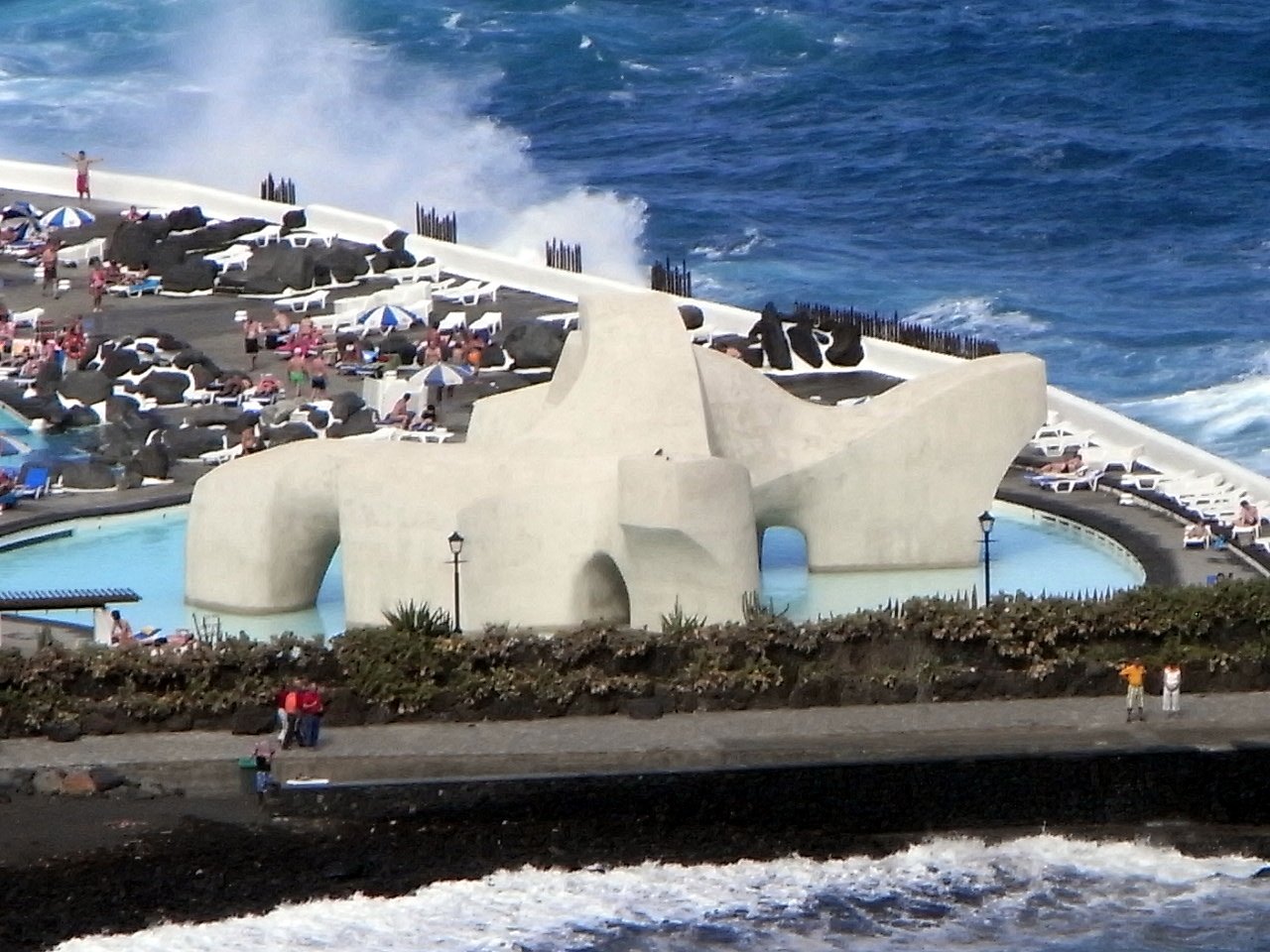
The reopening of key establishments has not only added room capacity but also sent a signal to the market. Tour operators and travel agents take notice when a classic destination starts investing in itself again. Combined with Puerto de la Cruz’s existing strengths — a mild northern climate, a genuine urban fabric, the famous Lago Martiánez pools, and proximity to the Orotava Valley — the refurbished hotels give the town a story to tell that resonates with travellers looking for something beyond the all-inclusive enclave.
The first-half caveat
Before anyone gets carried away, it is worth looking at the bigger picture. The June numbers are genuinely encouraging, but the cumulative figures for the first six months of 2026 paint a more mixed portrait. Between January and June, Puerto de la Cruz recorded 431,591 hotel and apartment stays. That compares with 443,938 in the same period of 2025 — a drop of 12,347 stays overall. So while June was a strong month, the first half of the year as a whole still left the municipality trailing behind the previous year’s pace.
This kind of uneven recovery is not unusual for a destination in transition. Refurbishment projects can temporarily reduce available bed capacity, and the early months of the year are traditionally quieter in the north than in the sunnier south. The key question is whether the June momentum can be sustained through the summer and into the autumn, when northern Tenerife often enjoys a second peak thanks to its pleasant temperatures and cultural calendar. If the trend holds, the full-year picture could look considerably brighter than the half-time score suggests.
What this means for your next Tenerife trip
For anyone planning a visit to the island, the revival of Puerto de la Cruz is good news. It means more choice, fresher hotels, and a destination that feels alive rather than resting on its laurels. The town offers a genuine alternative to the southern resorts: greener landscapes, a more Canarian pace of life, and easy access to the vineyards and hiking trails of the Orotava Valley. It is also well connected by the island’s efficient guagua network, making it a practical base for exploring without a car.
The renewed confidence in the destination is palpable on the ground. New cafés and restaurants are opening, public spaces are being spruced up, and there is a sense that Puerto de la Cruz is once again a place to be rather than a place that was. For digital nomads and longer-stay visitors, the combination of decent infrastructure, a real community feel and lower prices than the south makes it an increasingly attractive option. The old dame still knows how to charm.
Common questions
- Did Puerto de la Cruz really get more visitors than all of Tenerife in June?
- No, the total number of visitors to the town was far smaller than the island total. The statistic refers to the year-on-year increase: Puerto de la Cruz added 4,572 travellers, while Tenerife as a whole added 4,281, meaning the town's growth was 291 higher than the island's net gain.
- Why is Puerto de la Cruz becoming popular again?
- A combination of hotel refurbishments and reopenings, renewed demand for classic resorts with character, and the town's established appeal as a historic northern destination with gardens, pools and a genuine local atmosphere.
- Is Puerto de la Cruz a good base for exploring Tenerife?
- Yes, it is well connected by guagua (bus) to the rest of the island, close to the Orotava Valley and Teide National Park, and offers a more authentic Canarian experience than many purpose-built southern resorts.
- What is the weather like in northern Tenerife?
- Generally milder and greener than the south, with more cloud cover and occasional rain, especially in winter. Summers are warm and pleasant, often less oppressively hot than the southern coast.
- Are there beaches in Puerto de la Cruz?
- Yes, the town has several volcanic-sand beaches, including Playa Jardín, designed by the Canarian artist César Manrique, as well as the famous saltwater swimming pools of Lago Martiánez.
Read on
- Puerto de la Cruz flamenco, 11 November: tickets €25-30Tenerife · 7 November
- Puerto de la Cruz: Spartan Trifecta, 28-29 November 2026Tenerife · 4 November
- Puerto de la Cruz en Flor: 550,000 m² gardens, every 2 yearsTenerife · 2 November
- Tenerife: Trail El Tanque 8 November, 09:00 start in ErjosTenerife · 7 November
- Tenerife: Trump defeat changes nothing for holidaymakersTenerife · 7 November
- Puerto de la Cruz Guide: food, nightlife, tips and events
- All events on Tenerife →
Stand August 2026. Figures based on data from Turismo de Tenerife and Diario de Avisos reporting. All details without guarantee.