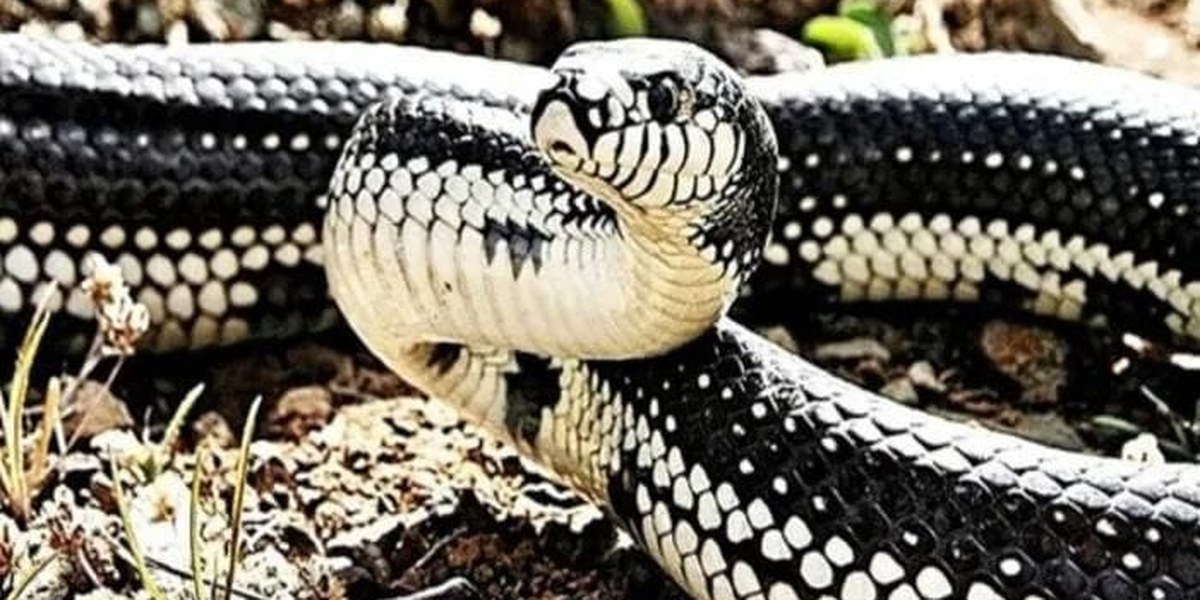
Harmless to people — the real drama is elsewhere
First, reassurance for anyone afraid of snakes. The California kingsnake is non-venomous and poses no danger to people.
It is a medium-sized snake, on average around 90 centimetres long, often with a striking black-and-white pattern. The real drama plays out not with humans, but in the island's nature.
How the snake reached Gran Canaria
The species originally comes from the southern United States and northern Mexico. Gran Canaria never had wild snakes — until, in the late 20th century, animals were released from terrariums or escaped.
The first was found in 1998 in Telde. From 2007 it was confirmed that a settled population had formed; today the snake is present in several core areas from north to south-west.
On the island it found ideal conditions: a mild climate, plentiful food, easy reproduction — and no natural predators. A female can lay many eggs per clutch, which speeds up the spread.
Why this is dangerous for nature
The main victims are three unique reptiles of the island. The hardest hit is the Gran Canaria giant lizard (Gallotia stehlini), along with the Canary skink "lisa" and an endemic gecko.
These animals never had to adapt to such a predator and are largely defenceless. If a keystone species like the giant lizard collapses, the whole island ecosystem is thrown off balance.
Why the record catches are not only bad news
The high catch figures sound alarming, but they cut both ways. On one hand they show the population is holding and spreading; on the other, they are the result of an intensive, well-organised control programme. Most catches are made between mid-March and mid-July, when the snakes come to the surface to mate — around 80 percent of the year's catches fall in this window. Experts stress that the programme must not end, as a lapse would undo the hard-won gains.
What to do if you see a snake
Don't panic: the kingsnake is non-venomous and usually flees. Do not try to catch or kill the animal yourself; instead report the find so that specialists can remove it properly. The reporting channels are a call or WhatsApp message to the project (608 098 296), the emergency number 112, or the STOPCULEBRAREAL app. If you have seen an animal, try to note the place and time; around half of all catches are made thanks to such tip-offs from the public.