How do I get to Tenerife and how do I get around?
Tenerife South Airport (TFS) is in the south of the island and is the main arrival airport for many package and beach holidays. Tenerife North-Ciudad de La Laguna Airport (TFN) mainly serves connections to the Canary Islands and mainland Spain. Flight times and public transport should be checked directly with AENA.
Public bus services on Tenerife are operated by TITSA. Timetables, fares and routes change; current information is available at titsa.com. Ferry connections operate from Santa Cruz de Tenerife to Gran Canaria and other islands, among other routes.
Departures, vehicle transport and prices should be checked with Fred. Olsen Express and Naviera Armas. Special caution applies when driving a hire car in the mountains: on unsurfaced tracks there can be rockfall, narrow sections, steep gradients and slippery surfaces. Paths may be temporarily closed for maintenance work or because of poor conditions. In emergencies, call 112.
Which sights should I include in my Tenerife holiday?
The Parque Nacional del Teide contains Spain's highest mountain, Mount Teide. The park itself is not a mountain. Different permit and reservation requirements apply to Teide routes depending on the trail. Santa Cruz de Tenerife is the island capital with a port, museums, parks and the Playa de Las Teresitas beach.
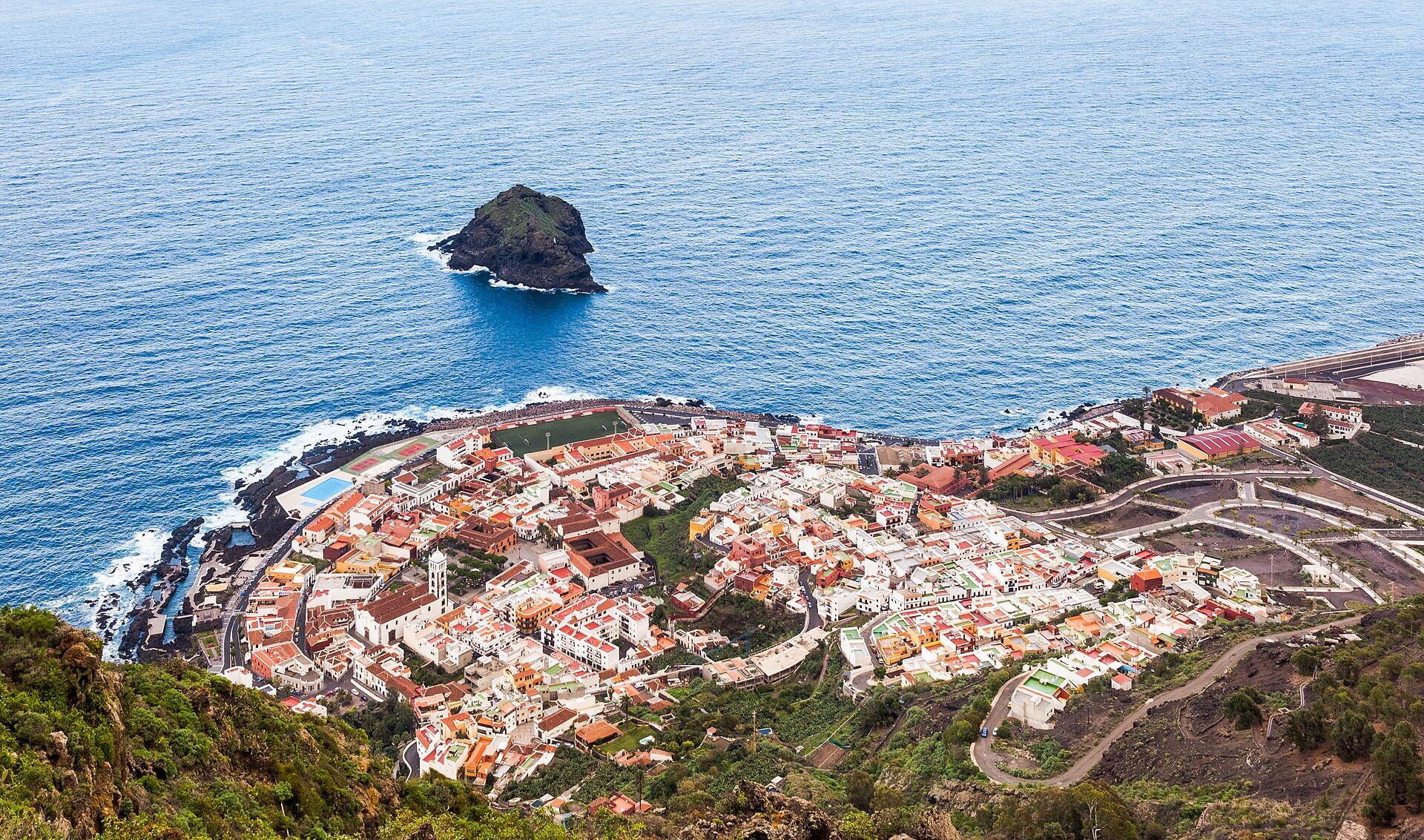
San Cristóbal de La Laguna is a historic city and UNESCO World Heritage Site with a colonial street layout. Puerto de la Cruz is a traditional holiday centre on the north coast with the Lago Martiánez seawater pool complex and the Botanical Garden. Garachico lies on the north coast; the natural seawater pools at Piscinas Naturales de El Caletón depend on sea conditions.
La Orotava is known for its historic houses, gardens and the cultivated landscape of the upper Orotava Valley. Anaga is a mountain massif and Biosphere Reserve in the northeast with laurel forest, viewpoints and walking routes. Teno is a rural natural area in the northwest; access to individual roads and paths can be regulated.
Costa Adeje, Los Cristianos and Playa de las Américas are key centres for beach holidays, water sports, excursions and tourist infrastructure. Current route and facility information for natural areas managed by the Cabildo is provided by Tenerife ON.
Which permits do I need for Teide and walks?
Permits are required for certain routes in the Parque Nacional del Teide. Tenerife ON specifically mentions different permits for access to selected summit and crater routes. According to Tenerife ON, reservations for certain Teide routes are released on Mondays at 07:00 Canary time for the following 21 days.
Other paths in the national park may be accessible without a reservation; the rule depends on the specific trail and the current protection regulations. Advance booking is mandatory for several areas of the island's trail network.
Before a walk, you should check the trail status, required permits, weather warnings, water needs and return transport. At higher altitudes, temperature and visibility can differ significantly from conditions on the coast. Tenerife ON describes itself as the official information service of the Cabildo de Tenerife for managed natural areas and provides safety and risk information for selected routes.
When is the best time to visit Tenerife?
The following figures are AEMET climate normals for 1981–2010 for Tenerife South Airport. They are not a forecast and do not apply to the whole island, which varies greatly with altitude and terrain. AEMET gives an annual average of 21.4 °C, 132 mm of precipitation and 114 average rain days or precipitation events as defined by the station for this location.
June to September are particularly dry and sunny in these station normals. According to AEMET, July records 295 hours of sunshine and 0 mm of rain, and August 277 hours of sunshine and 1 mm of rain. For sun and beach holidays, these months are therefore the safest choice on the south coast.
For walking and touring holidays, spring and autumn often offer pleasant temperatures; in the mountains the weather remains independent and can change quickly. In winter, coastal areas stay mild, while wintry conditions, ice or snow are possible in the Teide area. The northeast trade winds particularly affect the north and higher ground.
Calima episodes with dust from the Sahara can affect visibility and air quality. For specific episodes, current AEMET warnings are decisive. AEMET publishes monthly averages for temperature, precipitation and sunshine hours for Tenerife South; a reliable monthly sea temperature series is not included in the station data cited.
What rules apply in natural areas?
Camping in the Cabildo's protected area network requires prior permission. Wild camping outside designated areas is not allowed.
Fires, barbecues, fireworks and other activities may be restricted because of forest fire risk. Fires are only allowed in designated places and under the established conditions. Leaving marked paths, collecting plants or geological material and disturbing wildlife are prohibited under the official rules for recreational areas.
For organised walks, active tourism companies must meet operational and safety requirements. Visitors should carry permits digitally or on paper together with identification.
What alternatives are there to the crowded places?
Visitors can reduce pressure on the most popular attractions by choosing rural accommodation in La Orotava, Icod de los Vinos, Vilaflor or Anaga. Public buses and guided small-group excursions are an alternative to individual hire car journeys. Less sensitive Teide viewpoints and marked paths without summit access are good options.
La Gomera or La Palma are suitable for a second island stay with a nature focus. Officially designated campsites are preferable to informal wild camping. Beaches and coastal towns outside the southern resort corridor offer quieter alternatives.
According to background research, Gran Canaria is the closest alternative for a broad resort holiday with large beaches, nightlife and varied landscapes. Lanzarote is visibly more volcanic and architecturally distinctive, while Fuerteventura is attractive for long beaches and wind sports. La Palma is better suited to walking, forests and slower tourism.