Tenerife has a small image problem. If all you know are the big hotel towns in the south, island food can look like international buffets and schnitzel with a sea view. But the real eating happens a few switchbacks up the road — in villages where locals themselves queue on a weekend. Those are exactly the places National Geographic gathered in its travel pages and named as the island's best for honest, Canarian food.
The lovely thing is that this isn't a starred list for deep pockets. It's an invitation to grab a rental car and pull in where the fish still tastes of the sea and the goat still tastes of charcoal. Three towns stand out — and there is plenty more around them.
Tajao: fish as fresh as the sea next door
Down in the far south, within the municipality of Arico, the tiny fishing spot of Tajao tucks itself right against the coast. There's no see-and-be-seen promenade here, just tables almost within reach of the Atlantic. The deal is simple and unbeatable: fresh fish, local seafood, everything grilled over the coals — Canarian seaside cooking at its most honest.
National Geographic singles out precisely that immediacy: grilled fish and seafood are the stars, with the open sea in front of you. It makes a perfect lunch stop when you're exploring the south and can't face another resort dining room. Which fish you get depends on the day and the catch — and that's the whole charm.
La Victoria de Acentejo: goat, gofio and wine from the barrel
The north is another world: green, hilly, threaded with vines. In the heart of the Acentejo wine region sits La Victoria, and here things get hearty. On the table come the classics of down-to-earth Canarian cooking — carne de cabra (braised goat), piñas con costillas (corn on the cob with ribs) and escaldón de gofio, a savoury mash of toasted grain flour.
The town is famous for its guachinches: small, often family-run spots where the winemaker pours their own wine alongside simple, robust dishes. It's unpretentious, cheap and deeply Canarian — no surprise National Geographic found what it was looking for here. If you want the north's wine and cooking in one place, La Victoria is the address.
El Sauzal and the rest: tradition with a view
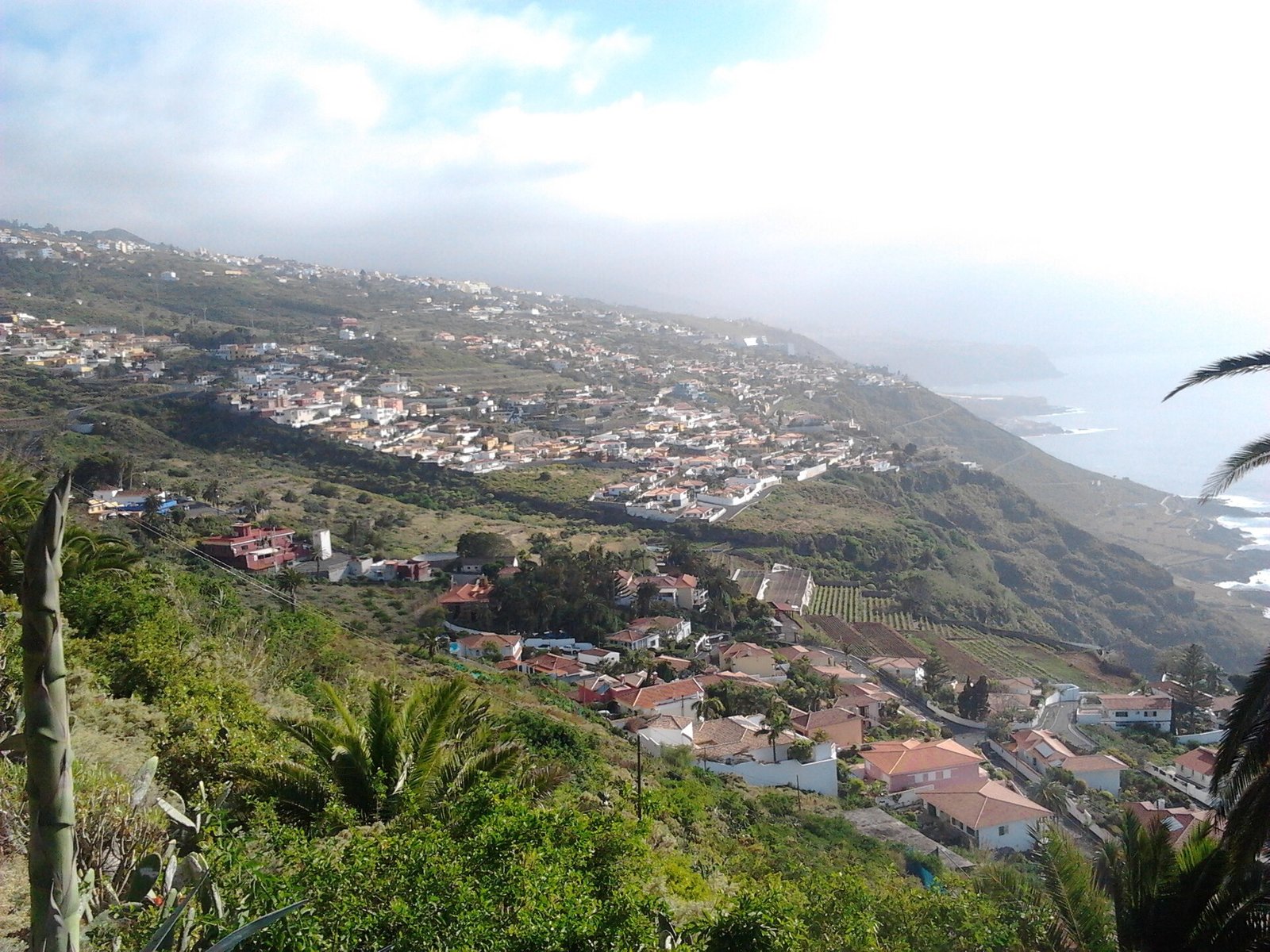
Also in the green north, El Sauzal perches on cliffs above the sea — on clear days the view stretches across the Atlantic to a snow-dusted Teide. The village kitchen blends tradition and good eating: classic taverns beside smaller, more modern places working with local produce. You eat Canarian, but with an eye for beauty — and one of the best panoramas on the list.
National Geographic names eight towns in all. Beyond the three food anchors, it's worth pointing the car at Chimiche (Granadilla de Abona) for grilled meat, the mountain village of Vilaflor for potatoes, wine and meat, Tegueste for a fresh, contemporary farm-to-table style, and Guía de Isora and Arona, where upscale Atlantic cooking and aged grilled meat land on the plate. Together they map out a whole geography of good food beyond the beach promenades.
How to plan your little food tour
The most practical route is by rental car: the villages are scattered across the island, and doing it by bus quickly becomes a test of patience. A good plan is not to squeeze south and north into one day. In the south, Tajao makes an ideal fish lunch stop; in the north, La Victoria de Acentejo and El Sauzal pair beautifully with a wine route through the Acentejo region.
Take your time: guachinches and village kitchens run at an easy pace, and a weekend booking never hurts. And plan the drive home so the driver can pass on the wine — the north is tempting.
Common questions
- Which three villages does National Geographic highlight most?
- Tajao (south, fish and seafood), La Victoria de Acentejo (north, goat meat and guachinches) and El Sauzal (north, traditional cooking with ocean and Teide views).
- What is Tajao known for?
- Fresh-off-the-boat fish and seafood grilled over coals, at tables almost on the water in the south of the island.
- What is a guachinche?
- A small, often family-run spot where winemakers serve their own wine with simple, hearty Canarian dishes — a northern speciality.
- Do I need a rental car?
- It's recommended. The towns are spread across the island, and as a flexible day trip a rental car is clearly the easiest option.
- Are there more towns on the list?
- Yes, eight in total: besides the three anchors, also Chimiche, Vilaflor, Tegueste, Guía de Isora and Arona.
Read on
- Tenerife volcano drill 22 Oct: ES-Alert and evacuationsTenerife · 13 October
- Tenerife Halloween 28–31 Oct: haunted house, free eventsTenerife · 13 October
- La Gomera: the most beautiful hiking routes at a glanceLa Gomera · 4 October
- Adeje: Fiestas Patronales until 18 October, the programmeTenerife · 11 October
- Tenerife volcano report: no activation, drill on 22 OctTenerife · 12 October
- All events on Tenerife →
Details as of July 2026, based on National Geographic's recommendations. Opening hours, offerings and availability of individual venues may change.