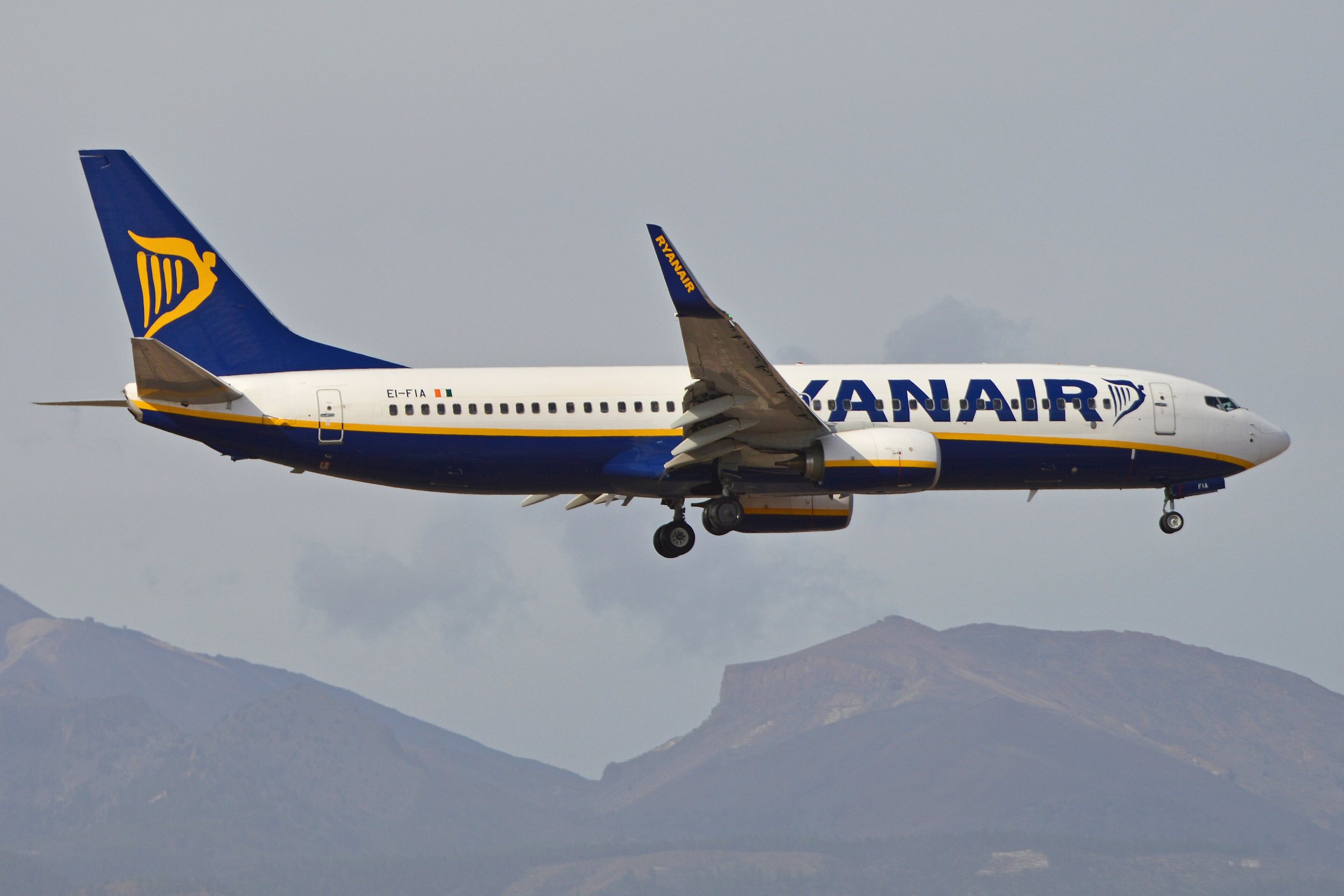
What does the alert mean for travellers at Tenerife South?
The Guardia Civil (Spain’s national police force) classes the alert of Tuesday 17 November as a false alarm. Its officers went to the airport, carried out checks and kept the site secure.
No source has reported delays, closures or new rules so far. There is no information on the passengers or on flight operations.
No restrictions have been reported for Ryanair passengers leaving Tenerife South. Still, check your flight status with the airline or with Aena (the airport operator) as a general precaution, not because of any reported disruption.
Whether EU261 passenger rights apply depends on the cause and length of a delay. No delay is confirmed, so it remains unclear whether they play any role here.
What is known about the incident, and what is not?
On Tuesday the Guardia Civil at first spoke only of officers deployed at the airport. It confirmed the false alarm afterwards.
Nobody has given the time, flight number, route or passenger numbers so far. It is also not reported whether the plane was evacuated or searched on the ground.
Where the alert came from is unknown. Aena, Ryanair and the Guardia Civil press office have issued no statement.
Tenerife South ranks second in the Canaries: in 2025 the airport handled 13,969,678 passengers, according to Aena. That is 1.7% more than in 2024, and only Gran Canaria is ahead with 15,826,553.
How did earlier alerts at Tenerife South play out?
Jet2 flight LS1536 to London Stansted took off on 25 September 2 hours and 26 minutes late. It was due to leave at 11:20, and the plane got airborne at 13:46.
A passenger reportedly said he was carrying a bomb in his luggage. The Guardia Civil cleared the plane as a precaution, checked the luggage of everyone on board and found no explosive device.
On 27 June Eurowings Discover flight 4Y307 to Frankfurt was taxiing to the runway when the alert came. On air traffic control instructions the pilots stopped and drove back to the parking stand.
Instead of 16:55, the flight left only at 19:30. Passengers kept their hand luggage, while scanners and explosives dogs checked the hold luggage.
Is the alert part of a wave of false threats?
According to Cyprus Mail, more than 50 flights by around 15 airlines received false threats between 2 and 6 November. Iberia, Air Europa, Wizz Air and Aer Lingus were also affected.
The consequences ranged from inspections and delays to diversions and, in some cases, military escorts. On 3 November a Ryanair flight from Manchester to Murcia received a threat, and the Guardia Civil finally ruled out explosives.
Because of the rise in cases, the European Commission activated a mechanism for sharing information between member states. Investigators are examining whether the warnings are a coordinated campaign, according to media reports, but this is not confirmed.
On 26 October a Vueling flight from Barcelona received a false threat while approaching Gran Canaria. The airport briefly halted take-offs and landings, and some flights diverted to Tenerife.
What do those who send false alarms face, and what happens next?
At Spanish airports the Guardia Civil treats every warning as real. It orders an evacuation, has the plane inspected and the luggage checked, with the GEDEX explosives unit if needed.
According to media reports, prosecutors link such cases to Article 561 of the Código Penal (Spain’s criminal code), which covers feigning a danger. We have not checked the current wording in the BOE (Spain’s official state gazette), so we give no penalty here.
Spanish media reports say the costs can be recovered from the person responsible. There are no official figures on the cost of an evacuation or diversion.
Whether anyone will be prosecuted in the Ryanair case is not reported. It is also unclear whether the alert is linked to the wave of false threats in November, and nobody has named dates for further steps.