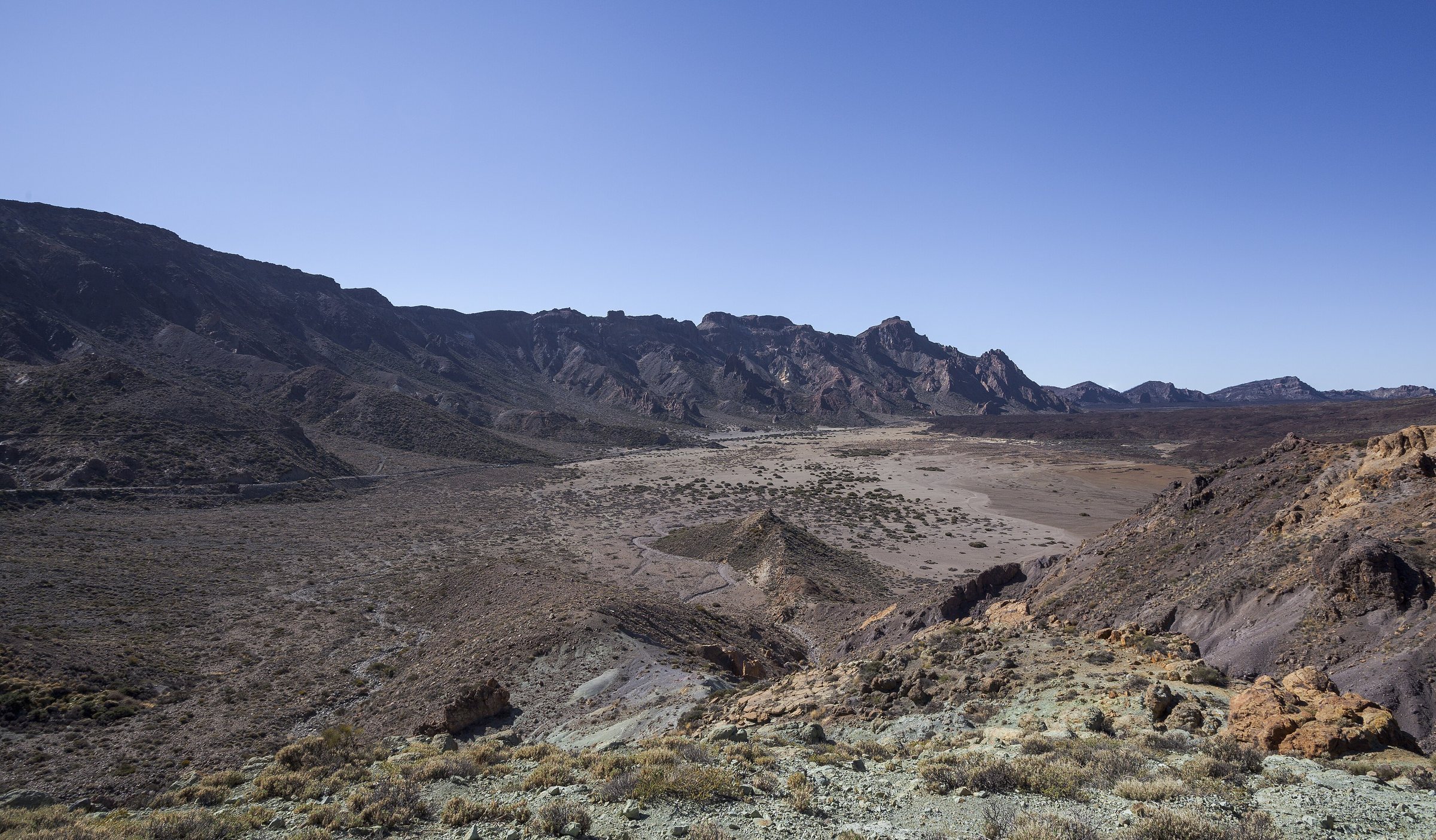
What applies at the Teide summit after the snowfall?
The Cabildo de Tenerife restricted access to the Pico del Teide on Sunday 1 November, because snow had fallen around the summit. According to El Día, the island government said in a statement that only climbers with winter equipment may now go up.
Cabildo president Rosa Dávila announced the measure on social media, Canarias7 reports. It is meant for safety, and the Cabildo is not closing the whole park.
Those with the right kit may continue, everyone else stays below. El Día headlines the story “Cerrado”, meaning closed, while the other outlets speak of a restriction. This report draws on RTVC, Canarias7, Atlántico Hoy and Diario de Avisos.
Where is the snow, and which paths are affected?
The snow line lies at about 2,700 metres, according to Atlántico Hoy and Diario de Avisos. Snow fell around the summit and the Refugio de Altavista, a mountain hut in Teide National Park.
Seven routes are restricted, RTVC and Diario de Avisos say. They include Montaña Blanca–La Rambleta, Teide–Pico Viejo and Chafarí.
On the Chafarí path, RTVC says walkers need alpine experience or certified guides. They also need crampons and a licence from a mountaineering federation.
The reports did not confirm which four other routes are affected. No source gave a figure for snow depth in centimetres.
What changes for day-trippers from the south?
Drivers coming up from the coast can still enter the park, but not climb to the summit without equipment. According to the reports, the national park stays open to visitors, and the restriction covers only the high-mountain zones.
The summit permit is a separate procedure. RTVC says up to 300 people a day are admitted, split into three time slots of 100 each, but the reports do not say whether the 1 November restriction affects these permits.
None of the four reports says whether the Teleférico del Teide cable car ran on 1 and 2 November. It goes up to La Rambleta at about 3,555 metres, and volcanoteide.com or a phone call before the trip will tell you more.
It is not confirmed whether the access roads TF-21 (La Orotava) and TF-24 (La Esperanza) are closed on 1 November. According to Diario de Avisos and RTVC, the Cabildo closed them during earlier snow and ice events, most recently in February and March 2026.
Why is it snowing, and how will the weather develop?
A borrasca (low-pressure system) with a convection line brought the snow on 1 November. Canarias7 reports an orange warning from the state weather service AEMET for La Palma and Tenerife.
The Canarian government declared an alerta (alert level) for rain from early Sunday morning, El Día reports. It covers most of Tenerife as well as the peaks and the west of La Palma.
There, El Día says, rainfall of 30 millimetres an hour or more is possible. In the rest of Tenerife and La Palma, and on El Hierro, La Gomera and Gran Canaria, up to 15 millimetres may fall.
Canarias7 reports power cuts and minor flooding in southern municipalities such as Arona. According to Diario de Avisos and RTVC, the unsettled weather should last until Monday 2 November.
How long does the restriction apply?
The Cabildo gave no end date, Atlántico Hoy reports. The reports also do not say whether shuttle buses will run into the park this time.
The Cabildo has used such buses in earlier snow. On 20 and 21 December 2025, more than 5,536 visitors took the guaguas (buses), RTVC reports, and they ran from Aguamansa, La Esperanza and Vilaflor, which kept about 1,845 vehicles out of the park.
If you planned the Montaña Blanca–La Rambleta route, check your booking, which has run through the Tenerife ON platform since 19 January 2026. According to Guide to Canary Islands, it costs non-residents 6 euros on weekdays and 10 euros at weekends or on public holidays.
Refunds are given only for weather closures or a cable car outage, according to our research. Between November and March, visitors should check road conditions in advance, and the Cabildo posts updates on X at @cabildotenerife.