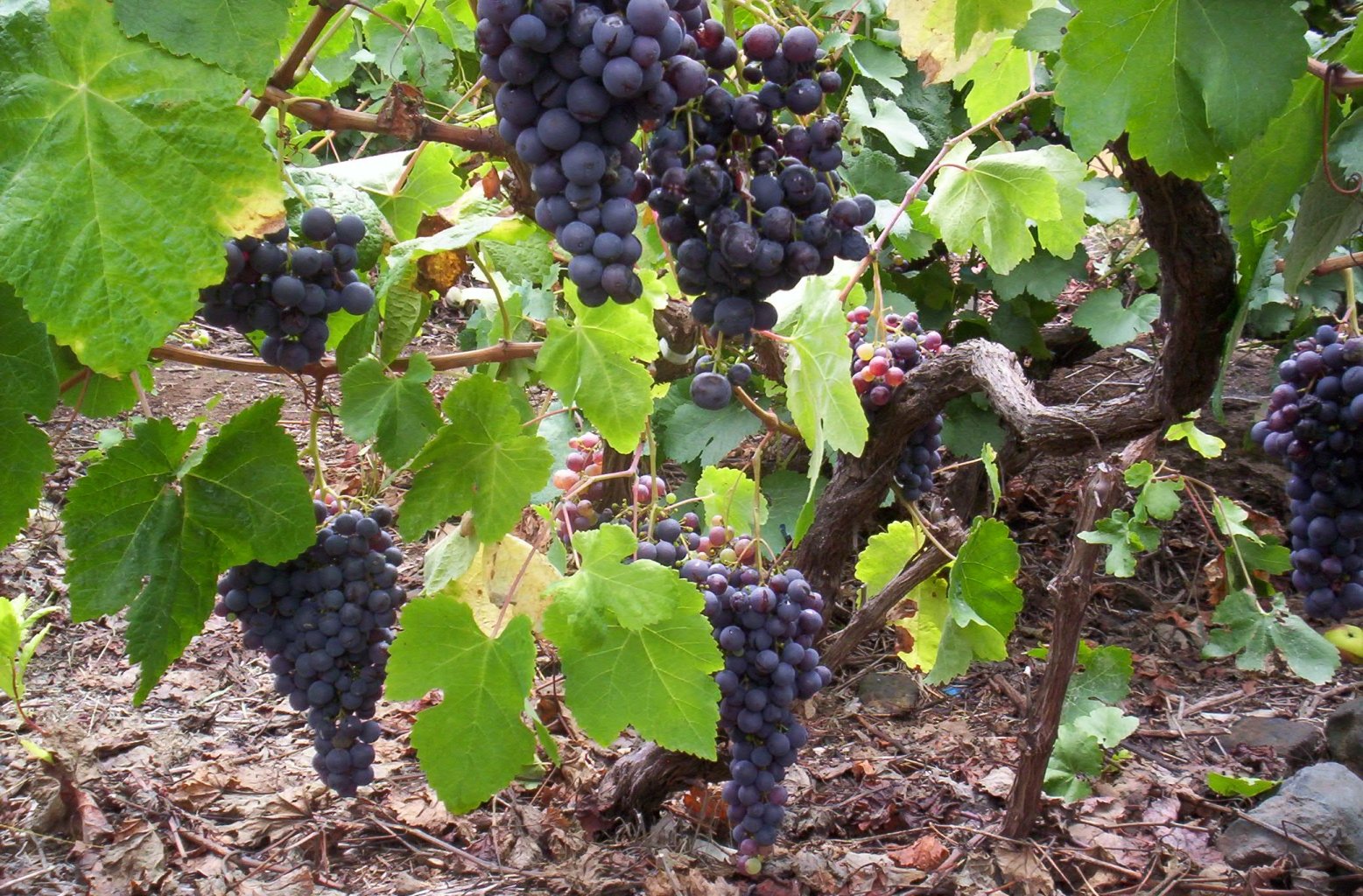
The sum: what one hectare brings
The calculation uses yields per hectare. Example: a grower with 1 hectare harvested an average of 8,000 kilos from 2020 to 2024 and only 5,000 in 2025. That is a 37.5 per cent drop, so the 45 per cent cap does not apply. The missing 3,000 kilos times 0.425 euros make 1,275 euros, plus 300 euros for the area: 1,575 euros in total. If the rate rises to the 0.80-euro maximum because money is left over, it would be 2,400 plus 300, or 2,700 euros. Had the same grower harvested only 3,000 kilos (down 62.5 per cent), the cap applies: the sum is done as if the grower had harvested 55 per cent of the average, 4,400 kilos. That recognises 3,600 kilos of loss: 1,530 plus 300 makes 1,830 euros. If a declaration from 2020 to 2023 is missing, the lowest yield in the series is used.
Who qualifies
Active growers with plots on Tenerife can apply, individuals as well as companies running the farm. The BDNS entry wrongly lists only "legal entities without economic activity". The 2025 yield must be below the grower's own 2020–2024 average. The 2024 and 2025 harvest declarations must have been filed on time with the Instituto Canario de Calidad Agroalimentaria (ICCA). Tax or social security debts rule applicants out. The EU agricultural de minimis ceiling applies: no more than 50,000 euros of such aid over three tax years.
Where to apply
Applications go to the council where the grower is registered; if registered with several, preferably where the 2025 harvest declaration was filed, otherwise in the grower's own wine district. Addresses as given in the rules: Tacoronte-Acentejo, Carretera General del Norte 97, Tacoronte; DOP Islas Canarias (AVIBO), Calle La Palmita 10, La Guancha; Valle de La Orotava, Parque Recreativo El Bosquito, Urb. La Marzagana, La Orotava; Abona, Calle José Alberto 26, Porís de Abona (Arico); Valle de Güímar, Calle Tafetana 14, Güímar; Ycoden-Daute-Isora, Calle La Palmita 10, La Guancha, the same address as AVIBO. The rules give no opening hours. Incomplete applications can be corrected within ten working days.
The deadline: Friday 25 September at the earliest
BOP Santa Cruz de Tenerife no. 114 of Wednesday 23 September does not contain the extract either — we went through the issue in full. So as of 23 September the call had still not been officially published and the application period had not begun. The gazette appears on Mondays, Wednesdays and Fridays; the next issues are Friday 25 September and Monday 28 September.
On the earliest remaining date, then: if the extract appears on Friday 25 September, the 20 working days run from Monday 28 September and — excluding weekends and the 12 October holiday — end on Monday 26 October 2026.
A day that is a holiday in the applicant's municipality or at the Cabildo's seat does not count (Art. 30.6 Ley 39/2015). Under the local holidays order (BOC 165/2025), the days falling inside that window are San Miguel de Abona (29.9), Arona (5.10), El Tanque (19.10), Santa Úrsula (21.10) and Buenavista del Norte (26.10). Anyone living in one of those five municipalities therefore has one day more: until Tuesday 27 October 2026.
One discrepancy worth knowing about: the BDNS database record gives the closing date only as "20 días siguientes a la publicación en el diario oficial" — without the word hábiles. Read literally, that would mean plain calendar days. The Cabildo's own rules (base 15.3) and the extract itself both say "veinte (20) días hábiles", that is, working days. The rules are what governs; the BDNS entry is incomplete on this point. If you want to be safe, work to the shorter reading.
Why the money is needed, and why it is less than in 2024
The Cabildo justifies the second round with drought, heat and a lack of chill hours. According to the Canary Islands government, protected-origin wine across the archipelago fell to 3.52 million litres in 2025, 30 per cent below 2024 and 55 per cent below 2023. In Abona the harvest was 738,000 kilos of grapes against the usual 1.2 million or so, Diario de Avisos reported. "La planta estaba agotada", the plant was exhausted, Juan Jesús Méndez, president of the DOP Islas Canarias, told the paper. Despite the bigger losses the pot is smaller than in 2024; the decision gives no reason. Out of the same 1.5 million, the six councils also receive up to 37,000 euros for handling. Separately, the Canary Islands government is preparing about 2.8 million euros for 3,824 growers. The rules allow both as long as the loss is not overcompensated.