Triana Is Losing Shops and Buzz: Concern for the Historic Heart of Las Palmas de Gran Canaria
Triana is the historic pedestrian shopping street at the centre of Las Palmas de Gran Canaria: Modernist architecture, long-established family shops and cultural life. Yet, according to Canarian media, the district is losing its old-time businesses as big chains move out and merchants and cultural initiatives struggle to keep it lively.
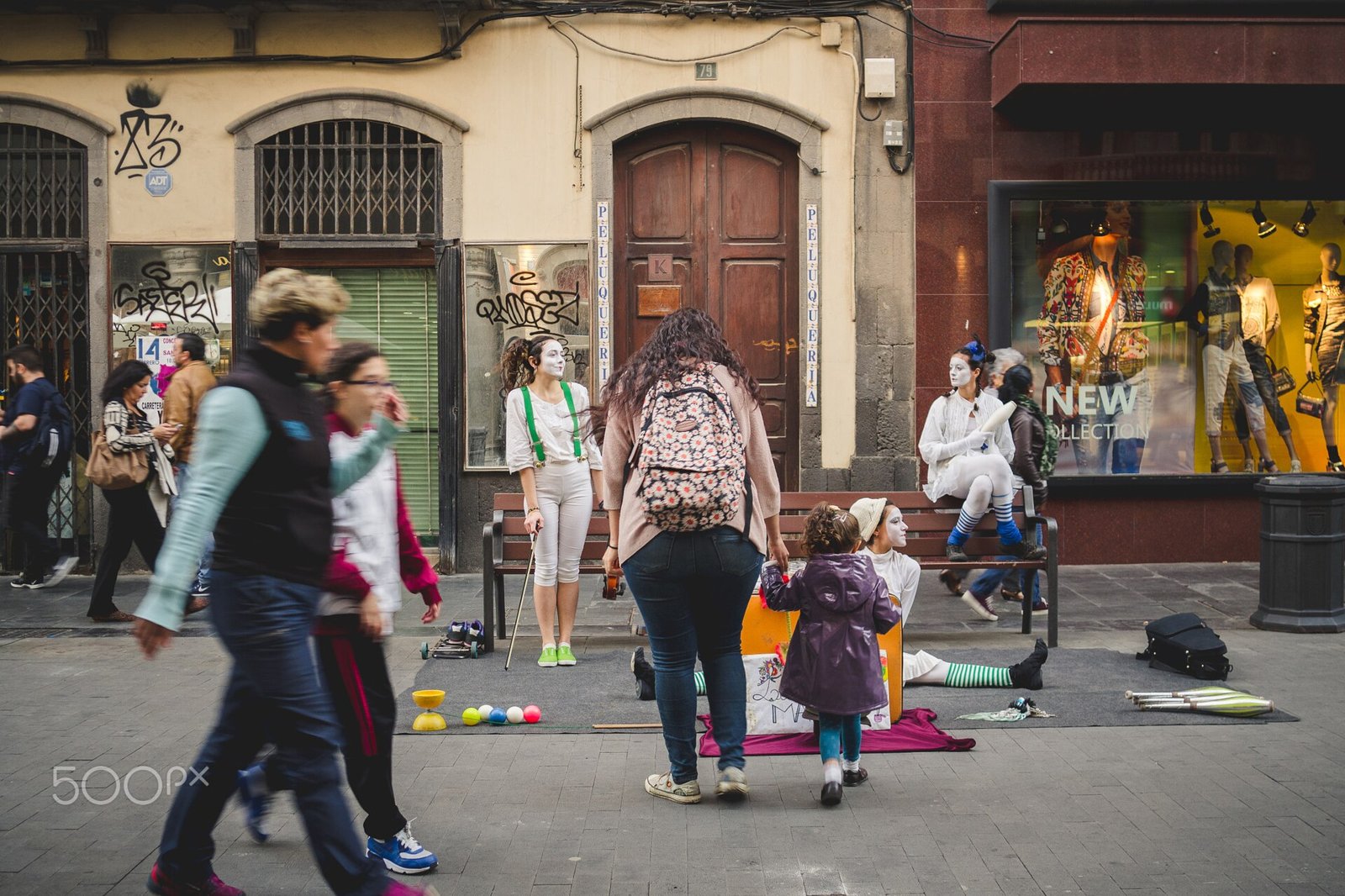
Photo: Jesus De Diego, CC0 (Symbolbild).
The debate turns on rents, red tape, a lack of family succession and competition from malls and online retail – but also on ideas to protect the heritage of the Calle Mayor de Triana. Here is an even-handed overview, deliberately free of doom-mongering.
What Triana is – and why it matters
Triana borders Vegueta; together they form the historic core of the city. The district was declared a Bien de Interés Cultural (BIC) as a "Conjunto Histórico" in 1990, with formal recognition in 1993. The Calle Mayor de Triana is now a pedestrian street known for its early-20th-century Modernist architecture, including the individually BIC-protected houses at Calle Triana 76 to 82 and the Palacete Rodríguez Quegles. Nearby stand the Gabinete Literario and the Teatro Pérez Galdós; the district is closely tied to the writer Benito Pérez Galdós. In 2013 the Zona Comercial Triana received Spain's Premio Nacional de Centros Comerciales Abiertos (national award for open shopping centres).
Traditional shops under pressure
According to Atlántico Hoy (June 2026), only "very few" of the long-standing businesses remain on the street. Recent closures include the Panadería Miguel Díaz bakery – reported to be 106 years old – and the Dulcería Parrilla sweet shop. Holding on, the report says, are Ópticas Herrera Cerpa, an optician of around 90 years now run by third-generation optometrist Gladys Piñana Herrera, and the Guirlache confectioners. Atlántico Hoy quotes Piñana Herrera as saying that competing with a multinational is "muy complicado" (very difficult), while Guirlache's Pedro Rodríguez describes the effort to keep going as an "esfuerzo titánico", a titanic effort.
When the big brands leave
Well-known chains have also pulled out. An earlier Atlántico Hoy report (March 2025) noted that H&M, Decathlon, Massimo Dutti and, most recently, Benetton – present for more than 30 years – had left Triana or the surrounding centre. The report cites sharply higher rents (the cost per square metre said to have multiplied), a decline in bricks-and-mortar spending after the pandemic, and competition from online retail; in Benetton's case it also points to a global restructuring. Business associations, the report says, called for urgent revitalisation measures, including consumer vouchers modelled on Santa Cruz de Tenerife.
The causes – and the debate
Several factors overlap: chains displace independent owners, rents and wages rise, family succession is lacking, and bureaucracy weighs heavily. Atlántico Hoy points, for example, to strict rules on café terraces; the historic Panadería Miguel Díaz was ordered to close by the Ayuntamiento, according to Canarias7. The report voices the worry that with each shop "a piece of the city's everyday memory" disappears and that a once-distinctive street is starting to feel interchangeable. Supporters of change, by contrast, point to the footfall and spending that big brands can bring.
Revival: culture, festivities and protection ideas
To counter the trend, merchants and the Cámara de Comercio de Gran Canaria are betting on culture. In 2024 the initiative "Triana, una semana a cielo abierto" turned the street into an open-air stage, according to Canarias7 – with chamber music, micro-theatre, African percussion, a craft market and a "Ruta Alexis Ravelo" honouring the late Canarian author. The programme was backed in part by EU funds (FEDER) and the city. Meanwhile, Atlántico Hoy discusses the "Zaragoza model": municipal protection for emblematic shops, covering façades, signs and shop windows. Possible candidates, the report suggests, include Café Madrid and the old confectioners.
Architecture fans can follow a "ruta modernista" past the protected houses; craft markets and cultural programming appear above all during theme weeks such as "Triana, una semana a cielo abierto".
Opening hours and the survival of individual shops can change – the Panadería Miguel Díaz was ordered to close, according to Canarias7. It is best to check details on the spot.
Key facts
- Status: Triana has been a Bien de Interés Cultural as a "Conjunto Histórico" since 1990 (formally 1993).
- Award: In 2013 the Zona Comercial Triana won Spain's Premio Nacional de Centros Comerciales Abiertos.
- Closures: Panadería Miguel Díaz (reported 106 years old) and Dulcería Parrilla.
- Brands: H&M, Decathlon, Massimo Dutti and Benetton left Triana or the centre, per Atlántico Hoy.
- Causes (per Atlántico Hoy): high rents, online retail, bureaucracy, lack of succession, chain competition.
- Revival: the "Triana, una semana a cielo abierto" culture week (per Canarias7) and debate over protecting historic shops (the Zaragoza model).
FAQ
- What is Triana?
- A historic pedestrian shopping street in the centre of Las Palmas de Gran Canaria, protected as a Conjunto Histórico since 1990.
- Why is Triana losing shops?
- According to Atlántico Hoy, because of high rents, online competition, bureaucratic rules and a lack of family succession.
- Which shops have closed?
- Among others the Panadería Miguel Díaz and the Dulcería Parrilla; big chains such as H&M, Decathlon, Massimo Dutti and Benetton moved out, per Atlántico Hoy.
- Which traditional shops remain?
- Per Atlántico Hoy, these include Ópticas Herrera Cerpa and the Guirlache confectioners.
- What is being done to revive it?
- Culture weeks run by the Cámara de Comercio (per Canarias7) and a debate about protecting historic shops on the model of Zaragoza.
Read on
- Las Palmas de Gran Canaria Approves €2.4 Million in Grants to Boost the City's CultureGran Canaria · 13 August
- Fiestas de la Virgen in Guía 2026: 2,000 Plants Dress the Historic CentreGran Canaria · 22 July
- The 9th LPA Estación: Rooftop Jazz, Tuk-Tuk Tours and Hidden Corners of Las PalmasGran Canaria · 21 July
- Teror road closures 14 November: urban downhill raceGran Canaria · 12 November
- Gran Canaria: free WOMAD and ExpoDeca from 12 NovemberGran Canaria · 12 November
- Las Palmas de Gran Canaria Guide: food, nightlife, tips and events
- All events on Gran Canaria →