Canary Islands Rein In Motorhomes: What the New Decree Changes
The Canary Islands government is finalising a decree that, for the first time, sets rules for open-air tourism across the archipelago: campsites, motorhome areas (áreas de autocaravanas) and overnight-parking zones. The camper community sees it as long overdue. «We were 60 years behind the mainland», sums up the motorhome platform P.A.C.A.
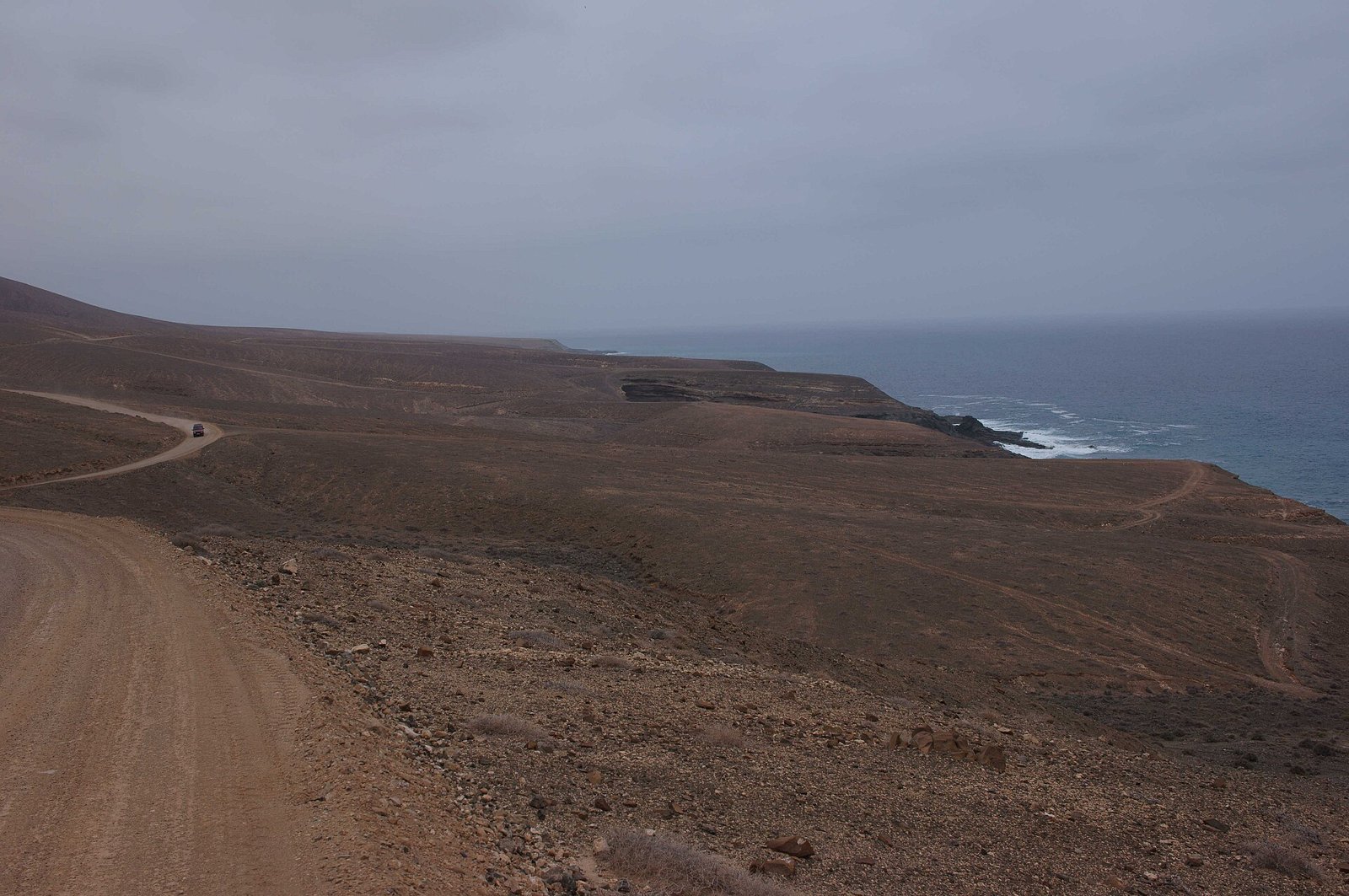
Photo: Jarek Prokop, CC BY 3.0 (Symbolbild).
The text is still a draft — the regional cabinet has sent it to the Consejo Consultivo (advisory council) — and is not yet in force. Even so, it marks a turning point for anyone touring the islands by motorhome or camper van.
What the new decree changes
According to Canarias7, the decree ends free or wild camping for tourism purposes across the archipelago: overnight stays in the open with tents, caravans or motorhomes outside regulated facilities would be banned. Driven by the regional Tourism and Employment Department (Consejería de Turismo y Empleo), it regulates campsites, motorhome areas and overnight-parking zones at regional level for the first time.
Regional minister Jéssica de León has called the measure «a decisive step to organise this type of tourism», with the stated aim of improving quality, encouraging new businesses and reconciling the activity with protection of the natural environment.
Parking is not camping
The decree draws a line between parking and camping. Per the reporting, a motorhome may park in authorised urban or interurban zones as long as it stays on its own wheels, does not discharge waste water and deploys no supports, awnings or outdoor furniture. The moment you «set up camp», it counts as camping and is no longer allowed outside a designated area.
That distinction matters for travellers: spending the night inside a legally parked vehicle is not the same as setting up a living area on the street or the beach.
More than a dozen requirements for areas
To operate as a legal campsite or area, facilities will have to meet more than a dozen requirements, according to Canarias7. These include a separate dumping point for black and grey water, sanitary facilities at sites with more than 15 vehicles (toilet, sink and hot-water shower per a set number of pitches, at least one accessible), and electric-vehicle charging points at areas with more than 30 pitches.
The list also covers a first-aid kit, multilingual signage (Spanish, French, Italian, English and German), waste collection, internet, an industrial washing machine, a pet area, shade over at least half the surface, and picnic or barbecue spaces.
Why the camper community applauds it
Sector associations have been calling for regulation for years. Jesús Gallardo, president of the P.A.C.A. platform, regrets that «in 2026 there are no legal campsites in the Canary Islands» and says they back regulation «because we want more legal areas». By his account, none of the nine associations present at the draft's presentation opposed it.
Gallardo argues that, without legal spaces, some beaches end up with around a hundred vehicles camped at weekends despite no-camping signs — precisely the disorder the decree aims to correct.
The big question: not enough infrastructure
Not everyone is unreservedly enthusiastic. The ACAT association, which says it contributed much of the initial draft, welcomes the legal certainty but warns that passing the rule will not fix the shortage of pitches overnight. Its secretary, José Domingo Rodríguez, speaks of a legal vacuum stretching back more than three decades and of legal campsites «you can count on the fingers of one hand».
The draft is not yet in force: it must pass the Consejo Consultivo before final approval. According to Atlántico Hoy, it is expected to take effect in September 2026, though the exact date is unconfirmed.
Parking on your wheels with no discharge is generally allowed; «setting up camp» on the road or beach is not.
Decree at a glance
- Regulates campsites, motorhome areas and overnight zones at regional level for the first time (Canary Islands government).
- Ends free/wild camping for tourism purposes across the archipelago (Canarias7).
- Parking on wheels, with no discharge or supports, would still be allowed in authorised zones (Canarias7).
- More than a dozen requirements for areas: grey/black water, sanitary units, EV charging, signage in 5 languages (Canarias7).
- Draft sent to the Consejo Consultivo; not yet in force (Canary Islands government / eldiario.es).
- «60 years behind the mainland» (P.A.C.A.); ACAT warns of a 31-year legal vacuum.
FAQ
- Is the decree already in force?
- No. It is a draft sent to the Consejo Consultivo; it is expected to take effect in September 2026 per Atlántico Hoy, but the date is unconfirmed.
- Can I still park my motorhome?
- Yes, in authorised zones and on your wheels, without discharging waste or deploying supports. That is parking, not camping.
- What exactly is the wild camping being banned?
- Staying overnight in the open for tourism purposes with a tent, caravan or motorhome outside a regulated area or campsite.
- Will there be more legal areas?
- That is the decree's goal, though associations warn that infrastructure is currently scarce.
- Who is affected?
- Tourists and residents travelling by motorhome or camper, and entrepreneurs wanting to open legal campsites or areas.
Read on
- Fuerteventura Moves to Cap Incoming MotorhomesFuerteventura · 22 August
- Canary Islands holiday lets: deadline now 31 December 2027Canary Islands · 10 November
- Canaries general strike 11N: rent €1,211, buses unclearCanary Islands · 9 November
- Canary Islands flights this weekend: 5,640, up 420Canary Islands · 1 November
- Canary Islands strike 11 November: your flight rightsCanary Islands · 9 November
- All events on the Canary Islands →