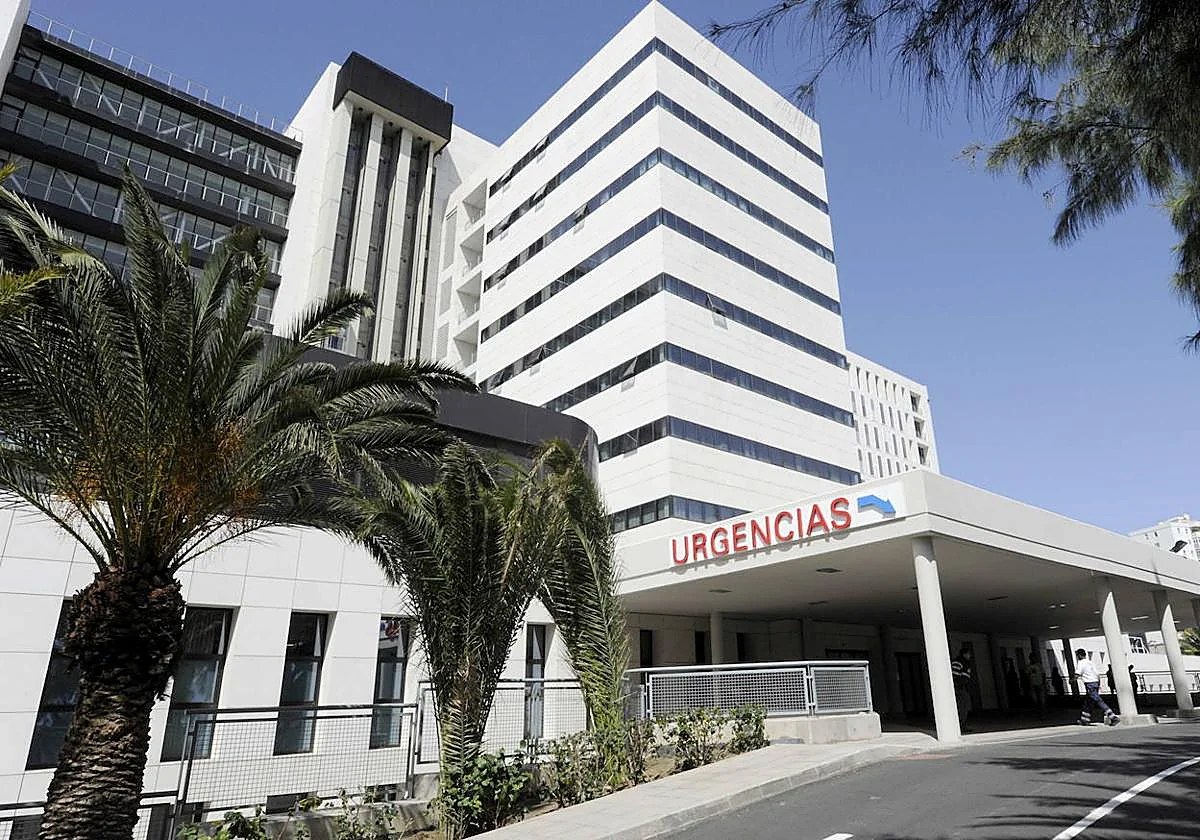
Anyone needing medical help in the Canaries in the coming weeks should expect delays. The archipelago's public health service is under pressure on several fronts at once — and the disputes are intensifying just before the summer season brings its high patient numbers. The key is to keep the strands apart: this is not a single strike, but two independent labour disputes that happen to be peaking at the same time.
First strand: the ambulance crews
The first dispute concerns medical transport — the ambulances and their crews. This is a classic pay dispute. The unions CCOO, CSIF and USO have announced strikes for 2,000 workers: specifically on 8 and 19 June, then indefinite stoppages every Friday.
The reason: the sector's fourth collective agreement expired on 31 December 2024, and wages have been frozen since. The unions are demanding a rise of 21 percent for 2019–2025 plus 4 percent for 2026. The employers' side (the ARTS association) offers, according to the union, 13 percent plus 4 percent — but tied to future administrative decisions and new contract awards. It is precisely this linkage the unions sharply criticise: "Pay is negotiated in the agreement, not begged for via external excuses," said the CCOO official for the ambulance sector. The regional party Nueva Canarias-Bloque Canarista has backed the demands and called on the regional government to finally implement a unanimous parliamentary resolution from April.
Second strand: the doctors
The second, entirely separate dispute concerns doctors in the public health service (SCS). It is part of a nationwide dispute: doctors across Spain are demanding a dedicated professional statute (the «Estatuto Marco», or a separate doctors' statute) that regulates their particular working conditions — such as on-call duties — separately. In the Canaries there are additional demands: honouring the agreement that ended the 2023 strike, better pay for on-call hours, making shifts voluntary, and a 35-hour week.
Leading here are the doctors' unions SEMCA, MUD and AME. Their latest escalation is delicate: they are withdrawing the voluntary overtime normally used to clear waiting lists. It is precisely this voluntary extra effort that keeps the system running at peak times. Without it, waiting lists for operations, tests and specialist appointments lengthen.
There are, naturally, differing figures on the dispute's force: on earlier strike days the unions put participation at 63 percent, while the health administration put it at just under 16 percent. What is undisputed is that the months-long dispute is already leaving marks: the director of the Canarian health service, Adasat Goya, spoke of costs "in the hundreds of millions" and thousands of postponed appointments and operations.
The row over responsibility
The blame question is delicate. The regional government points to Madrid: the health ministry holds the competence to negotiate a framework with doctors, so the dispute should really be settled at national level. The doctors' unions counter that "80 percent" of their demands fall within the region's competence — and hold health councillor Esther Monzón and health-service chief Goya directly responsible. This passing of the buck between region and central government is dragging the dispute out.
Third factor: the summer
Over both disputes lies a structural strain: the summer staff shortage. As every year, many hospitals scale back their workforce in the holiday months — just when patient numbers rise with the heat and the influx of tourists. The unions warn that the summer cuts further aggravate an already tense situation.
- Emergency: In a genuine emergency you will be treated — emergency care is secured by legal minimum services. The 112 emergency number applies as usual.
- Appointments: If you have an appointment or non-urgent medical transport on a strike day (8/19 June, then Fridays), call ahead and confirm it is going ahead.
- Tourists: Carry valid travel health insurance or the European Health Insurance Card (EHIC/GHIC) — as always, regardless of the strikes.
What this means for you
For residents and tourists, the key message is: emergency care remains secured by legal minimum services — in health-sector strikes, the law requires a basic operation to be maintained. Anyone with a genuine emergency will be treated.
The disputes will mainly be felt in planned services: specialist appointments, non-urgent operations, routine tests and non-urgent medical transport may be delayed or postponed. On strike days, restrictions on ambulance transport are to be expected. Anyone with an appointment then should check by phone beforehand whether it is going ahead. And tourists, as always, are well advised to carry valid travel health insurance — regardless of the strikes.
Whether the situation eases now depends on two negotiating tables: the pay poker in medical transport, and the grinding tussle over the doctors' statute between the region and Madrid. Until then, the Canarian health service faces a summer that will test its resilience.
Frequently asked questions
- Is this one strike or two?
- Two independent labour disputes peaking at the same time: the pay dispute in private medical transport (ambulances) and the nationwide doctors' strike over a dedicated professional statute. On top comes the structural summer staff shortage.
- Which days are the strikes?
- Medical transport strikes on 8 and 19 June, then indefinitely every Friday. The doctors' dispute has run as a nationwide measure for months; currently the voluntary overtime used to clear waiting lists is being withdrawn.
- Is emergency care at risk?
- No. In health-sector strikes, legal minimum services require a basic operation. Genuine emergencies are treated; the 112 emergency number applies as usual.
- What may be delayed?
- Mainly planned services: specialist appointments, non-urgent operations, routine tests and non-urgent medical transport. On strike days, confirm appointments by phone in advance.
- What is it really about?
- For medical transport, pay rises after an expired agreement. For doctors, a dedicated professional statute, better pay for on-call duties and making them voluntary. The competence is also disputed between the region and the health ministry.
Read on
- Canary Islands: time difference, clocks and calima guideCanary Islands · 19 October
- Canary Islands 19 October: Michael show, Periplo, San RafaelCanary Islands · 19 October
- Canary Islands 17 October: festivals, concerts and partiesCanary Islands · 17 October
- Canary Islands doctors' strike resumes 19 OctoberCanary Islands · 19 October
- Canary weather 18 October: beach or mountainsCanary Islands · 18 October
- All events on the Canary Islands →